Upskilling Academy
Trusted by 3 million learners 24/7 online training Money back guarantee Fully accredited courses
Level 3 Certificate in Understanding Cloud Computing Thumbnail Lifetime Access
Sale

Level 3 Certificate in Understanding Cloud Computing

Understanding Cloud Computing Overview Cloud computing has revolutionized the way individuals, businesses, and organizations store, access, and manage…

Best Seller Limited Time Offer
Last Updated 25 Sep 2026 352 Enrolled English Flexible Schedule

Access to 1500+ Courses with free CPD Certificates for Only £99 Get Now

What you will learn

  • - Gain a clear understanding of what cloud computing is and how it works
  • - Learn about different cloud service models like IaaS, PaaS, and SaaS
  • - Discover real-world applications and benefits of using cloud technologies
  • - Acquire knowledge to help you make informed decisions for your business or career
  • - Improve your ability to evaluate and select cloud service providers
  • - Stay up-to-date with current trends and future directions in cloud computing
  • - Build a strong foundation for further study or certification in cloud technologies

Description

Understanding Cloud Computing

Overview

Cloud computing has revolutionized the way individuals, businesses, and organizations store, access, and manage their data and applications. This comprehensive course is designed to introduce you to the foundational concepts, terminologies, architectures, and services that define cloud computing in the modern digital era. Whether you are an absolute beginner or an IT professional looking to refresh your cloud knowledge, Understanding Cloud Computing will help you develop a clear understanding of the technology shaping the future of IT and business solutions across the globe.

Over the duration of this course, you will learn about essential cloud topics such as Service Models (IaaS, PaaS, SaaS), cloud deployment models (Public, Private, Hybrid), cloud storage options, security and governance, and the practical applications of cloud solutions. The course includes theoretical instruction, hands-on demonstrations, and case studies to ensure students not only grasp the concepts but are also able to relate them to real-world scenarios and solutions.

Description

The proliferation of cloud computing services has transformed everything from how we access media, run software, and collaborate globally to how businesses develop, deploy, and scale applications. Despite being widely used, many still lack clarity on what the cloud is, how it works, and why it matters. This course aims to demystify cloud computing by breaking down its components, use-cases, and the technologies behind them.

Through a blend of lectures, interactive modules, guided tutorials, quizzes, and hands-on labs, Understanding Cloud Computing starts by exploring the evolution of computing—from traditional on-premises infrastructure to virtualization, and now, to cloud-based solutions. Key terminology and concepts will be introduced, including essential acronyms and the underlying technology stack powering cloud platforms.

You will examine the three primary service models of cloud computing:

  • Infrastructure as a Service (IaaS): Understand how organizations rent virtualized hardware resources—servers, storage, and networking—from a cloud provider, thus eliminating the need for physical hardware investment and maintenance.
  • Platform as a Service (PaaS): Discover how developers use cloud platforms for building, testing, and deploying applications without worrying about the underlying infrastructure.
  • Software as a Service (SaaS): Learn about modern web-based applications delivered directly over the internet, changing the way software is accessed and licensed.

The course will also compare deployment models emphasizing their strengths, weaknesses, and suitable use-cases:

  • Public cloud
  • Private cloud
  • Hybrid cloud
  • Community cloud

Additional topics include:

  • Cloud providers and market overview (including AWS, Microsoft Azure, Google Cloud Platform, IBM Cloud, Oracle Cloud and more)
  • Cloud security best practices and compliance standards
  • Cloud cost management and resource optimization
  • Data storage, backup, and disaster recovery in the cloud
  • Migration strategies and common challenges
  • Monitoring and scaling applications within cloud environments
  • Trends shaping the future of cloud computing (edge computing, serverless, AI as a Service, and quantum cloud)

By the end of this course, you’ll not only understand what cloud computing is but also be equipped with the knowledge to evaluate cloud solutions, aid in cloud adoption decisions, and communicate effectively about cloud technologies in a variety of contexts.

Career Path

Cloud computing is a rapidly expanding field, with organizations of all sizes across industries moving their operations to the cloud. This course will provide a solid foundation for those looking to launch or further a career in technology, business, or operations, including:

  • Cloud Support Specialist: Help customers and organizations manage and troubleshoot cloud solutions.
  • Cloud Solutions Architect: Design and implement scalable, reliable, and secure cloud infrastructures.
  • DevOps Engineer: Integrate cloud-based tools and practices to streamline software development and deployment processes.
  • Systems Administrator: Manage and maintain cloud infrastructure and related services.
  • Business Analyst: Assess the impact and ROI of cloud migration and adoption projects for enterprises.
  • IT Consultant: Advise companies on cloud adoption strategies, security, and best practices.
  • Product Manager: Guide the development and innovation of cloud-native applications and services.

Moreover, this course is an excellent springboard for advanced studies and certification paths with top cloud providers (AWS Certified Solutions Architect, Microsoft Azure Fundamentals, Google Cloud Associate Engineer, and more).

Who Is This Course For?

  • Absolute beginners interested in understanding the basics of the cloud.
  • Students considering a career in information technology or business with a technology focus.
  • IT professionals seeking to transition into cloud-centric roles or sharpen their cloud computing fundamentals.
  • Managers and decision-makers evaluating cloud adoption for their business or organization.
  • Entrepreneurs and startup founders looking to leverage the cloud for cost-effective growth.
  • Anyone interested in modern digital infrastructure and trends reshaping work and society.

No prior in-depth technical experience is needed, but curiosity and willingness to engage with new concepts are essential for maximizing your learning experience.

Requirements

  • Basic familiarity with computers, the internet, and web browsers.
  • No prior knowledge of cloud computing is required; all concepts will be introduced from first principles.
  • Recommended (but not mandatory): Awareness of fundamental IT concepts such as “networking” and “data storage.”
  • Access to a computer or laptop with a reliable internet connection for accessing course materials, resources, and hands-on activities.
  • An open mind and eagerness to learn about emerging technologies and their business impacts.

Optional: Signing up for free-tier accounts with major cloud providers can enhance the hands-on components of the course, allowing you to experience the cloud for yourself in practice labs and exercises.

Course Curriculum

Course Content

Module 1_ Introduction to Cloud Computing

  • Lesson 1_ Introduction to Cloud Computing

Module 2_ Cloud Infrastructure and Architecture

Module 3_ Cloud Deployment Models

Module 4_ Cloud Computing Providers

Module 5_ Cloud Security and Privacy

Who should take the course

  • - Beginners interested in learning about cloud computing fundamentals
  • - IT professionals looking to expand their skills in cloud technologies
  • - Students studying computer science or related fields
  • - Business managers seeking to understand cloud solutions for their organizations
  • - Developers wanting to deploy and manage applications in the cloud
  • - Entrepreneurs exploring scalable technology options for startups
  • - Anyone curious about how cloud computing impacts everyday technology

Certificate for Success at Every Step

  • No expiry date. You can keep and use the certificate forever.
  • Recognised across various UK industries.
  • Increases your chances of employability.
  • Boosts your professional credibility.
  • Shows you're up to date with industry knowledge.
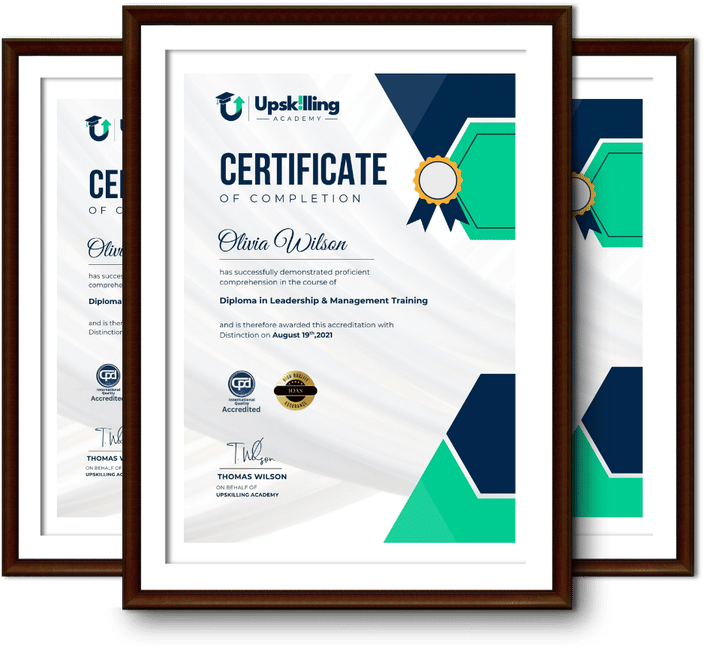
Framed Upskilling Academy certificates of completion

Course Reviews

Christine Ferguson

My experience with you was fantastic and easy to navigate. I'm looking forward to taking the course.
Jesse Harding

Provided highly informative and helpful responses, with quick and efficient replies.

Gary Schwartz

The course selection is broad, engaging, easy to follow, and offers a good challenge.

Bailey Burrows

Excellent course with user-friendly website navigation, making it easy to follow. I'm really enjoying the experience.

Benjamin Moreno

Great course with valuable information. Easy to follow, and I appreciated the flexibility to work at my own pace.

Quality Accreditation

  • incensu Registered Education Supplier
  • Association of Healthcare Trainers member
  • The CPD Group approved provider #790985
  • Disability Confident Committed

FAQ for Level 3 Certificate in Understanding Cloud Computing

How do I access my course?

Once you complete your purchase, you’ll receive access to your course through your Upskilling Academy account. You can log in and access your learning materials online at any time.

How long do I have access to the course?

Your access period depends on the course and the package you purchase. Please check the course details or your order information for the applicable access period.

Can I study at my own pace?

Yes. Upskilling Academy courses are designed to provide flexible online learning, allowing you to study at a pace that suits your schedule.

Will I receive a certificate?

Certificate availability varies by course. Where a certificate is included, you’ll receive information about the requirements and how to obtain it within the course or upon completion.

Are the courses suitable for beginners?

Many courses are suitable for beginners, while others may assume some previous knowledge. Please review the individual course description for information about the recommended level and prerequisites.