Upskilling Academy
Trusted by 3 million learners 24/7 online training Money back guarantee Fully accredited courses
Level 3 Structural Engineering Thumbnail Lifetime Access
Sale

Level 3 Structural Engineering

Structural Engineering Overview Structural Engineering is a critical sub-discipline within civil engineering, responsible for designing, analyzing, and ensuring…

Best Seller Limited Time Offer
Last Updated 17 Sep 2026 352 Enrolled English Flexible Schedule

Access to 1500+ Courses with free CPD Certificates for Only £99 Get Now

What you will learn

  • - Gain a solid understanding of core structural engineering principles and concepts
  • - Learn how to analyze and design safe, efficient structures for real-world applications
  • - Enhance problem-solving skills to tackle complex engineering challenges
  • - Get hands-on experience with industry-standard software and design tools
  • - Develop the ability to identify and prevent structural failures
  • - Improve your qualifications for roles in engineering firms, construction companies, and government agencies
  • - Stay up-to-date on the latest trends and advancements in structural engineering

Description

Structural Engineering

Overview

Structural Engineering is a critical sub-discipline within civil engineering, responsible for designing, analyzing, and ensuring the safety of buildings, bridges, towers, and a vast array of other structures. This undergraduate-level course provides students with both fundamental and advanced knowledge in the principles of structural analysis and design, addressing real-world challenges in the construction industry. Throughout the course, students will learn how to select appropriate construction materials, interpret loads and forces, and develop designs that uphold safety, sustainability, and cost-efficiency standards.

Description

This comprehensive course introduces students to the essential concepts and practices in structural engineering. Beginning with foundational topics such as statics and the behavior of materials under various loads, the course progresses to in-depth analyses of beams, columns, trusses, and frames. Students will explore structural systems in both steel and concrete, and examine factors that influence the strength and stability of structures.

The curriculum strikes a balance between theoretical knowledge and practical application. Through a combination of lectures, case studies, laboratory exercises, and design projects, students will gain insight into:

  • Principles of structural mechanics
  • Load analysis and combinations (dead, live, wind, seismic, and other environmental loads)
  • Material properties (concrete, steel, timber, composites)
  • Structural analysis techniques (determinacy, indeterminacy, influence lines)
  • Structural design codes and standards (e.g., AISC, ACI, Eurocode)
  • Software tools for structural analysis and design (e.g., SAP2000, ETABS, STAAD.Pro)
  • Failure modes and safety mechanisms
  • Sustainability and resilience in structural engineering

Special emphasis will be placed on reading construction drawings, preparing structural layouts, and understanding the interdisciplinary nature of large engineering projects. As students advance, they will explore advanced structural systems such as pre-stressed concrete, high-rise design, and seismic-resistant structures. The culmination of the course will be a capstone project where students develop and present a comprehensive structural design for a chosen structure.

Career Path

Graduates of this course will be well-equipped for a variety of roles within the construction and engineering sectors. Potential career paths include:

  • Structural Engineer: Working with consultancy firms, design offices, or construction companies to design safe and efficient structures.
  • Construction Project Manager: Overseeing the execution of construction projects with an emphasis on structural integrity and compliance.
  • Site Engineer: Supervising construction activities in the field and ensuring structures are built according to design specifications.
  • Bridge Engineer: Specializing in the unique challenges posed by the design and maintenance of bridges and viaducts.
  • Seismic Design Specialist: Focusing on structures in earthquake-prone regions, enhancing safety and code compliance.
  • Research and Development Engineer: Innovating new structural solutions and contributing to advances in construction methods and materials.
  • Academic / Teaching Roles: Continuing into academia to research, teach, and further the field of structural engineering.

Additionally, the analytical and problem-solving skills developed in this course are highly transferable, providing a foundation for advanced study in civil engineering, architecture, or related engineering fields.

Who Is This Course For?

This course is designed for:

  • Undergraduate students in civil engineering, architecture, or related fields seeking in-depth knowledge of structural engineering.
  • Graduate students or professionals from other engineering backgrounds seeking to specialize in structural analysis and design.
  • Practicing engineers and construction professionals interested in upskilling or preparing for structural engineering certification exams.
  • Individuals aiming for careers in infrastructure development, construction management, or consulting.
  • Anyone with a keen interest in the science of how buildings, bridges, and infrastructure are designed to withstand the forces of nature and the requirements of modern society.

No matter your background, if you are intellectually curious, have strong math and logic skills, and are interested in contributing to society through safe and inspiring structures, this course will be of immense value.

Requirements

  • Prerequisites:
    • Basic understanding of physics and mathematics (at least to the level of calculus and introductory mechanics)
    • Some exposure to engineering graphics or technical drawing
  • Technical Requirements:
    • Laptop or desktop computer capable of running structural analysis software (Windows OS preferable)
    • Access to high-speed internet for online modules and software downloads
    • Scientific calculator and/or access to computational tools
  • Other Requirements:
    • Willingness to participate actively in hands-on projects, laboratory sessions, and group discussions
    • Commitment to completing readings, assignments, and capstone projects on time

Upon completion, students will possess both the theoretical grounding and practical experience necessary to excel in the field of structural engineering, whether in industry or academia.

Course Curriculum

Course Content

Module 1 Fundamentals of Structural Engineering.

  • Lesson 1 Fundamentals of Structural Engineering.

Module 2 Structural Analysis.

Module 3 Materials Science for Structural Engineering.

Module 4 Structural Design.

Module 5 Construction and Contract Administration.

Who should take the course

  • - Undergraduate students studying civil or structural engineering
  • - Recent engineering graduates seeking foundational structural knowledge
  • - Civil engineers looking to specialize in structural design
  • - Construction professionals interested in structural systems
  • - Technicians and draftsmen working with structural drawings
  • - Architects wanting to understand structural concepts
  • - Professionals preparing for structural engineering certification exams

Certificate for Success at Every Step

  • No expiry date. You can keep and use the certificate forever.
  • Recognised across various UK industries.
  • Increases your chances of employability.
  • Boosts your professional credibility.
  • Shows you're up to date with industry knowledge.
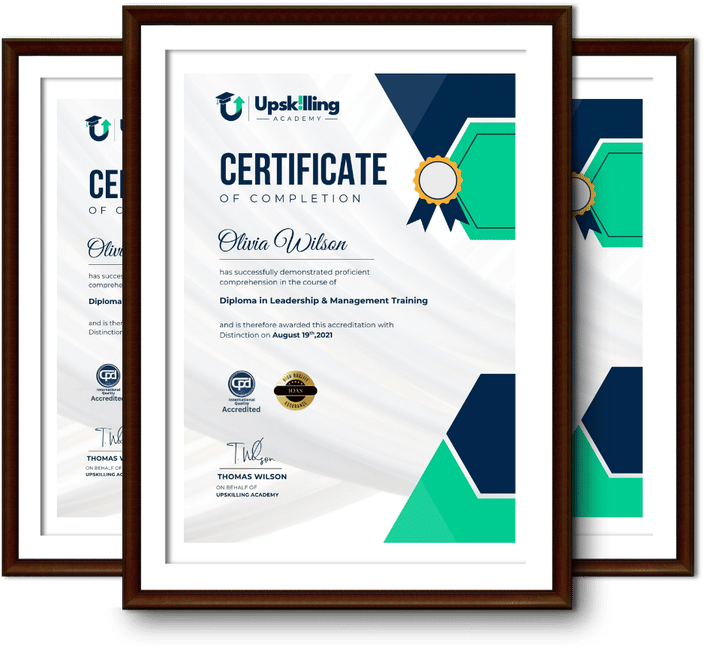
Framed Upskilling Academy certificates of completion

Course Reviews

Christine Ferguson

My experience with you was fantastic and easy to navigate. I'm looking forward to taking the course.

Jesse Harding

Provided highly informative and helpful responses, with quick and efficient replies.

Gary Schwartz

The course selection is broad, engaging, easy to follow, and offers a good challenge.

Bailey Burrows

Excellent course with user-friendly website navigation, making it easy to follow. I'm really enjoying the experience.

Benjamin Moreno

Great course with valuable information. Easy to follow, and I appreciated the flexibility to work at my own pace.

Quality Accreditation

  • incensu Registered Education Supplier
  • Association of Healthcare Trainers member
  • The CPD Group approved provider #790985
  • Disability Confident Committed

FAQ for Level 3 Structural Engineering

How do I access my course?

Once you complete your purchase, you’ll receive access to your course through your Upskilling Academy account. You can log in and access your learning materials online at any time.

How long do I have access to the course?

Your access period depends on the course and the package you purchase. Please check the course details or your order information for the applicable access period.

Can I study at my own pace?

Yes. Upskilling Academy courses are designed to provide flexible online learning, allowing you to study at a pace that suits your schedule.

Will I receive a certificate?

Certificate availability varies by course. Where a certificate is included, you’ll receive information about the requirements and how to obtain it within the course or upon completion.

Are the courses suitable for beginners?

Many courses are suitable for beginners, while others may assume some previous knowledge. Please review the individual course description for information about the recommended level and prerequisites.