Upskilling Academy
Trusted by 3 million learners 24/7 online training Money back guarantee Fully accredited courses
Level 3 Certificate in Stairways for General Industry Thumbnail Lifetime Access
Sale

Level 3 Certificate in Stairways for General Industry

Stairways for General Industry Overview Stairways are a critical component of any workplace infrastructure, providing safe and efficient…

Best Seller Limited Time Offer
Last Updated 28 Sep 2026 352 Enrolled English Flexible Schedule

Access to 1500+ Courses with free CPD Certificates for Only £99 Get Now

What you will learn

  • - Understand OSHA requirements for stairways to ensure workplace safety and compliance
  • - Learn how to identify and eliminate common stairway hazards in general industry settings
  • - Reduce the risk of falls, slips, and injuries among employees and visitors
  • - Improve overall facility safety culture and awareness
  • - Gain practical knowledge for proper stairway installation, inspection, and maintenance
  • - Enhance your qualifications for safety-related roles
  • - Boost your organization’s reputation by demonstrating a commitment to safety

Description

Stairways for General Industry

Overview

Stairways are a critical component of any workplace infrastructure, providing safe and efficient means of movement for employees, goods, and equipment. In general industry, the design, construction, and maintenance of stairways must comply with rigorous regulatory standards to ensure safety and functionality. The Stairways for General Industry course offers comprehensive knowledge and practical skills necessary to understand, implement, and maintain safe stairway systems in industrial environments. This course is built around current Occupational Safety and Health Administration (OSHA) regulations and industry best practices, making it an essential learning opportunity for those charged with managing workplace safety.

Description

This course delves into every aspect of stairways as they relate to general industry, from fundamental design principles to complex hazard mitigation strategies. By following a structured curriculum, learners will gain a thorough understanding of the regulatory environment, the engineering basics of stairways, materials and construction considerations, and the role of inspections and maintenance. With a primary focus on OSHA’s Walking-Working Surfaces Standard (29 CFR 1910 Subpart D), participants will become adept at both identifying potential risks and implementing corrective actions.

  • Regulatory Framework: Participants will familiarize themselves with the key codes and standards governing stairways, including OSHA’s specific requirements for tread dimensions, riser heights, handrails, landings, and load-bearing capabilities.
  • Design and Functionality: The course addresses practical stairway design for both new construction and retrofitting existing structures. Topics include ergonomic considerations, materials selection, technical drawings, and load calculations.
  • Construction Techniques: Learn about effective methods for constructing stairways that are compliant and sustainable, using both traditional and modern materials. Instruction covers steel, concrete, wood, and composite stairway systems, as well as modular and prefabricated solutions.
  • Hazard Identification: Through case studies and hands-on simulations, students will learn to assess existing stairways, identify typical hazards such as inadequate lighting, damaged steps, missing rails, slippery surfaces, and improper design, and recommend mitigation measures.
  • Maintenance and Inspection: Ongoing maintenance is crucial for stairway safety. The course provides guidance on developing inspection routines, documentation processes, and maintenance schedules to ensure ongoing compliance and hazard reduction.
  • Emergency Egress and Special Use Cases: Explore topics such as stairways for emergency exit routes, accessibility accommodations, and stairways in high-traffic or hazardous environments.

Learning is reinforced through a mixture of lectures, group discussions, scenario-based activities, video demonstrations, and assessment quizzes. Upon successful completion, participants will have developed a confident, working knowledge of stairway safety that can be applied in any general industry setting.

Career Path

Completing the Stairways for General Industry course opens avenues for advancement in workplace safety roles, engineering, and facilities management. Typical career paths include:

  • Safety Coordinator/Safety Officer: Enhance your expertise by becoming the designated authority on stairway safety within your organization.
  • Facilities Manager or Maintenance Supervisor: Acquire practical skills to improve the safety, accessibility, and compliance of building infrastructure.
  • Site Supervisor or Construction Foreman: Learn how to oversee safe stairway installation and maintenance on job sites, ensuring all regulatory requirements are met.
  • Compliance Officer or Inspector: Develop the knowledge needed to audit stairway installations, perform compliance assessments, and advise on corrective actions.
  • Industrial Engineer or Architect: Integrate stairway safety best practices into your designs and project plans, reducing liability and ensuring code compliance.

Additional career benefits include the ability to train others in stairway safety procedures, take on broader safety management responsibilities, and contribute to continuous improvement initiatives in your workplace.

Who Is This Course For?

This course is designed for a broad range of professionals and workers in the general industry sector, including but not limited to:

  • Health and Safety Managers, Officers, and Coordinators
  • Facility and Maintenance Supervisors
  • Construction Superintendents and Contractors
  • Industrial Engineers, Designers, and Architects
  • Human Resources and Training Coordinators overseeing safety training programs
  • Compliance and Regulatory Professionals
  • Anyone responsible for workplace safety or facility management

Whether you are new to the field or a seasoned professional seeking to update your knowledge and skills, this course will provide valuable, actionable content tailored for practical application.

Requirements

No prior specialized knowledge of stairway design or safety is required to enroll in the Stairways for General Industry course. However, the following are recommended to maximize your learning experience:

  • Basic understanding of general industry safety principles and regulations (e.g., familiarity with OSHA 1910 standards).
  • Comfortable reading technical documents, including diagrams and construction drawings.
  • Access to a computer or mobile device with internet connectivity for online materials and assessments.
  • Willingness to participate in group activities and hands-on exercises if offered.

Course materials, including access to relevant codes and standards, templates for inspection checklists, and example evaluation forms, will be provided. Some in-class or site-based activities may require participants to use measuring tapes, PPE (Personal Protective Equipment), and basic tools—the specifics will be communicated in advance.

Upon completion of this course, learners will receive a certificate verifying their mastery of concepts critical to the safe management of stairways in general industry, supporting both compliance needs and safer work environments.

Course Curriculum

Course Content

Module 1_ Introduction to Stairways

  • Lesson 1_ Introduction to Stairways

Module 2_ Stairway Design Principles

Module 3_ Stairway Construction and Installation

Module 4_ Stairway Maintenance and Repair

Module 5_ Stairway Safety Guidelines

Module 6_ Stairway Use and Operation

Module 7_ Stairway Inspections and Audits

Who should take the course

  • - Workers in general industry settings
  • - Safety coordinators and supervisors
  • - Maintenance and janitorial staff
  • - Facility managers and building engineers
  • - New employees in warehouses or factories
  • - Occupational health and safety trainees
  • - Anyone responsible for workplace safety compliance

Certificate for Success at Every Step

  • No expiry date. You can keep and use the certificate forever.
  • Recognised across various UK industries.
  • Increases your chances of employability.
  • Boosts your professional credibility.
  • Shows you're up to date with industry knowledge.
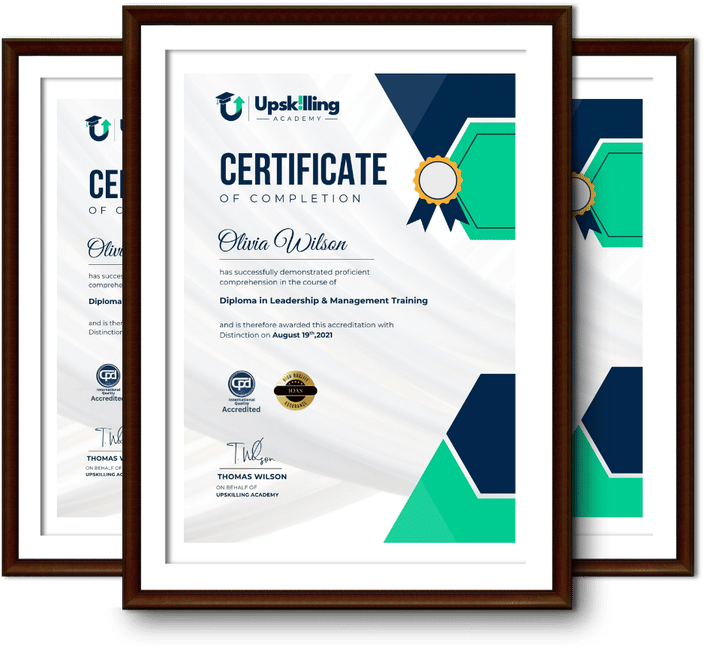
Framed Upskilling Academy certificates of completion

Course Reviews

Christine Ferguson

My experience with you was fantastic and easy to navigate. I'm looking forward to taking the course.

Jesse Harding

Provided highly informative and helpful responses, with quick and efficient replies.

Gary Schwartz

The course selection is broad, engaging, easy to follow, and offers a good challenge.

Bailey Burrows

Excellent course with user-friendly website navigation, making it easy to follow. I'm really enjoying the experience.

Benjamin Moreno

Great course with valuable information. Easy to follow, and I appreciated the flexibility to work at my own pace.

Quality Accreditation

  • incensu Registered Education Supplier
  • Association of Healthcare Trainers member
  • The CPD Group approved provider #790985
  • Disability Confident Committed

FAQ for Level 3 Certificate in Stairways for General Industry

How do I access my course?

Once you complete your purchase, you’ll receive access to your course through your Upskilling Academy account. You can log in and access your learning materials online at any time.

How long do I have access to the course?

Your access period depends on the course and the package you purchase. Please check the course details or your order information for the applicable access period.

Can I study at my own pace?

Yes. Upskilling Academy courses are designed to provide flexible online learning, allowing you to study at a pace that suits your schedule.

Will I receive a certificate?

Certificate availability varies by course. Where a certificate is included, you’ll receive information about the requirements and how to obtain it within the course or upon completion.

Are the courses suitable for beginners?

Many courses are suitable for beginners, while others may assume some previous knowledge. Please review the individual course description for information about the recommended level and prerequisites.