Upskilling Academy
Trusted by 3 million learners 24/7 online training Money back guarantee Fully accredited courses
Level 3 Certificate in SIA Training Thumbnail Lifetime Access
Sale

Level 3 Certificate in SIA Training

SIA Training Course Overview The Security Industry Authority (SIA) Training course is designed to equip individuals with the…

Best Seller Limited Time Offer
Last Updated 18 Sep 2026 352 Enrolled English Flexible Schedule

Access to 1500+ Courses with free CPD Certificates for Only £99 Get Now

What you will learn

  • - Gain essential knowledge to meet SIA licensing requirements and work legally in the private security industry
  • - Improve your employment prospects by qualifying for a wide range of security roles
  • - Learn practical skills and legal responsibilities for keeping people and property safe
  • - Increase your confidence in handling workplace situations, including emergencies and conflicts
  • - Access up-to-date industry regulations and industry best practices
  • - Receive training from experienced instructors who understand real-world security challenges
  • - Obtain a recognized certificate that enhances your professional credibility

Description

SIA Training Course

Overview

The Security Industry Authority (SIA) Training course is designed to equip individuals with the knowledge, skills, and legal grounding necessary to work safely and effectively within the UK’s private security industry. An essential step towards gaining an official SIA licence, this course offers a comprehensive mix of theoretical understanding and practical applications across multiple security roles such as door supervision, security guarding, and CCTV operations. With an emphasis on professionalism, safety, and strong ethical conduct, SIA Training is the industry standard for anyone wishing to start or advance a career in private security.

Description

This immersive SIA Training course combines instructional modules, scenario-based exercises, group activities, and assessments to ensure full readiness for the responsibilities of a security operative. The syllabus closely follows SIA licensing requirements and the latest legislative updates, granting students the peace of mind that they’re receiving the most relevant education.

Key topics include:

  • Introduction to the Private Security Industry: Understand the scope, roles, and regulations that govern security work in the UK.
  • Working as a Security Operative: Learn about the expectations, communication skills, and professional standards of the industry.
  • Conflict Management and Resolution: Gain the tools to effectively de-escalate hostile situations and ensure personal and public safety.
  • Physical Intervention Skills: (For door supervisor roles) Master appropriate and lawful restraint techniques, prioritizing safety and legal compliance.
  • Emergency Procedures: Train in handling medical emergencies, fire safety, and evacuation processes.
  • Legal and Ethical Aspects: Study UK law, rights, and responsibilities surrounding authority, powers of arrest, and the lawful use of force.
  • CCTV Operation: (For CCTV modules) Learn how to operate surveillance equipment, monitor premises, and handle evidence and privacy issues responsibly.

This course is structured into theoretical learning and practical exercises, culminating in assessments that prepare you for the official SIA exams. Trainers are SIA-approved, experienced professionals whose insight provides valuable real-world context.

Career Path

Completion of the SIA Training course opens the door to a wide variety of career opportunities in the ever-growing security sector. Graduates typically pursue roles such as:

  • Door Supervisor: Provide security and safety in licensed premises, nightclubs, pubs, and events.
  • Security Guard: Protect property, assets, and people in retail, commercial, and public venues.
  • CCTV Operator: Monitor and maintain visual surveillance in public spaces or private establishments.
  • Event Security Staff: Manage crowds, entry points, and emergency situations at concerts, festivals, and sports events.
  • Corporate Security Operative: Safeguard office environments, high-profile workplaces, and sensitive locations.
  • Mobile Patrol Officer: Conduct security checks across multiple locations and respond to alarms or incidents.
  • Control Room Operator: Coordinate security operations and communicate with field staff in real-time.

Beyond these initial roles, many SIA licence holders go on to obtain supervisory, managerial, or specialized positions within the security sector. With experience, candidates might pursue further accreditation in areas such as close protection, security consultancy, or risk assessment.

Who Is This Course For?

SIA Training has been created for anyone wishing to work—or already working—within the UK’s private security industry. It is ideal for:

  • Individuals pursuing their first role in security and seeking SIA licensure.
  • Existing security operatives looking to widen their skillset or update their certification.
  • Professionals in customer service, hospitality, or facility management aiming to add an extra dimension of safety and responsibility to their careers.
  • Event and venue staff who wish to work at music, sports, or public gatherings where an SIA licence is mandatory.
  • People aiming for flexible, shift-based employment with opportunities for advancement and development.
  • Anyone interested in personal safety, risk reduction, and upholding the safety of others in public or professional spaces.

This course is accessible, welcoming people of varied backgrounds. Whether you’re starting out, changing careers, or upskilling within your current workplace, SIA Training provides a robust foundation for a secure and rewarding future.

Requirements

To enrol in the SIA Training course, candidates must meet a set of basic prerequisites outlined by the Security Industry Authority and the training provider:

  • Age: You must be at least 18 years old at the time of applying for an SIA licence.
  • Identification: Provide valid photo ID (e.g., passport, driving licence) and proof of address.
  • Right to Work: You must have the legal right to work in the UK.
  • English Proficiency: Sufficient spoken and written English to follow the course and pass the assessments.
  • Criminal Background Check: All SIA licence applicants are subject to Disclosure and Barring Service (DBS) checks. While certain offences may not automatically exclude you, some criminal convictions may impact your eligibility for an SIA licence.
  • Physical Fitness: Some aspects of the training, especially those covering physical intervention, require basic fitness and mobility.
  • Commitment: Attendance and participation in all sessions, including practical exercises and exams, are mandatory for successful completion.

No prior security experience is needed—only a commitment to learning, professional integrity, and a desire to contribute positively to the safety and well-being of others.

Embark on your SIA Training journey to develop the core competencies, confidence, and certification needed to thrive in the private security industry. Enrol today and take the first step toward a dynamic and respected profession.

Course Curriculum

Course Content

Module 1_ Introduction to SIA and Security Industry

  • Lesson 1_ Introduction to SIA and Security Industry

Module 2_ Health and Safety in Security

Module 3_ Customer Service and Communication Skills

Module 4_ Physical Intervention and Conflict Management

Module 5_ Surveillance and Observation Techniques

Module 6_ Legal Responsibilities and Ethics in Security

Who should take the course

  • - People who want to become licensed security guards
  • - Individuals seeking work in the UK security industry
  • - Door supervisors needing an SIA qualification
  • - CCTV operators looking to meet legal requirements
  • - Employers who want to train their security staff
  • - Jobseekers interested in safety and protection roles
  • - Anyone looking for career advancement in security

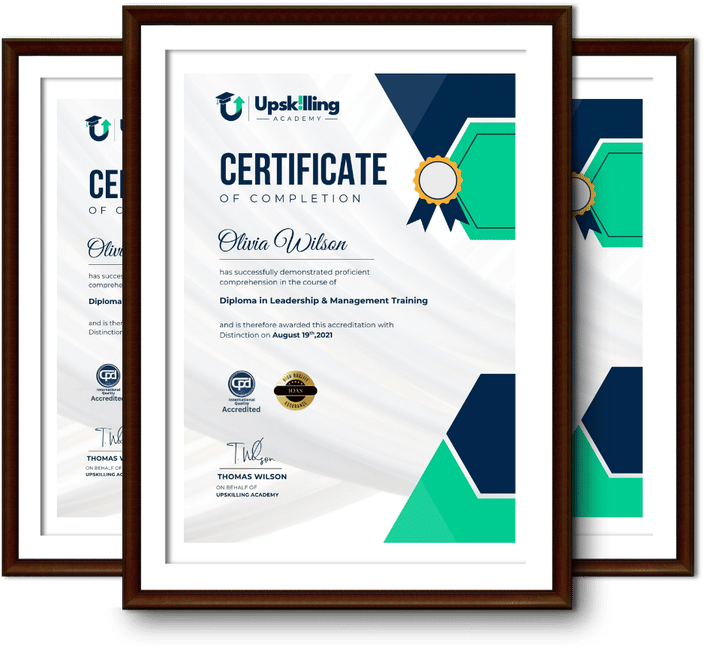
Certificate for Success at Every Step

  • No expiry date. You can keep and use the certificate forever.
  • Recognised across various UK industries.
  • Increases your chances of employability.
  • Boosts your professional credibility.
  • Shows you're up to date with industry knowledge.
Framed Upskilling Academy certificates of completion

Course Reviews

Christine Ferguson

My experience with you was fantastic and easy to navigate. I'm looking forward to taking the course.

Jesse Harding

Provided highly informative and helpful responses, with quick and efficient replies.

Gary Schwartz

The course selection is broad, engaging, easy to follow, and offers a good challenge.

Bailey Burrows

Excellent course with user-friendly website navigation, making it easy to follow. I'm really enjoying the experience.

Benjamin Moreno

Great course with valuable information. Easy to follow, and I appreciated the flexibility to work at my own pace.

Quality Accreditation

  • incensu Registered Education Supplier
  • Association of Healthcare Trainers member
  • The CPD Group approved provider #790985
  • Disability Confident Committed

FAQ for Level 3 Certificate in SIA Training

How do I access my course?

Once you complete your purchase, you’ll receive access to your course through your Upskilling Academy account. You can log in and access your learning materials online at any time.

How long do I have access to the course?

Your access period depends on the course and the package you purchase. Please check the course details or your order information for the applicable access period.

Can I study at my own pace?

Yes. Upskilling Academy courses are designed to provide flexible online learning, allowing you to study at a pace that suits your schedule.

Will I receive a certificate?

Certificate availability varies by course. Where a certificate is included, you’ll receive information about the requirements and how to obtain it within the course or upon completion.

Are the courses suitable for beginners?

Many courses are suitable for beginners, while others may assume some previous knowledge. Please review the individual course description for information about the recommended level and prerequisites.