
Upskilling Academy
Trusted by 3 million learners 24/7 online training Money back guarantee Fully accredited courses
Paediatric First Aid Level 3 Course Thumbnail Lifetime Access
Sale

Paediatric First Aid Level 3 Course

Paediatric First Aid Overview Paediatric First Aid is a comprehensive, practical course designed to equip participants with essential…

Best Seller Limited Time Offer
Last Updated 13 Oct 2026 352 Enrolled English Flexible Schedule

Access to 1500+ Courses with free CPD Certificates for Only £59 Get Now

What you will learn

  • - Gain confidence to respond effectively in emergency situations involving children
  • - Learn essential life-saving skills such as CPR and choking management for infants and children
  • - Understand how to handle common childhood injuries and illnesses
  • - Reduce risks and improve safety in homes, schools, and childcare settings
  • - Receive a recognized certification that enhances your employability and professional development
  • - Empower yourself to provide immediate care and reassurance to children and their families
  • - Increase your awareness of accident prevention and child safety strategies

Description

Paediatric First Aid

Overview

Paediatric First Aid is a comprehensive, practical course designed to equip participants with essential skills and confidence to respond swiftly and effectively to a wide range of emergency situations involving infants and children. Whether you are a parent, guardian, educator, or healthcare professional, learning the correct procedures for assessing and managing common childhood emergencies can make the difference between life and death. This course follows the latest health and safety guidelines, and provides both theoretical knowledge and hands-on practice for immediate application in real-life scenarios.

Description

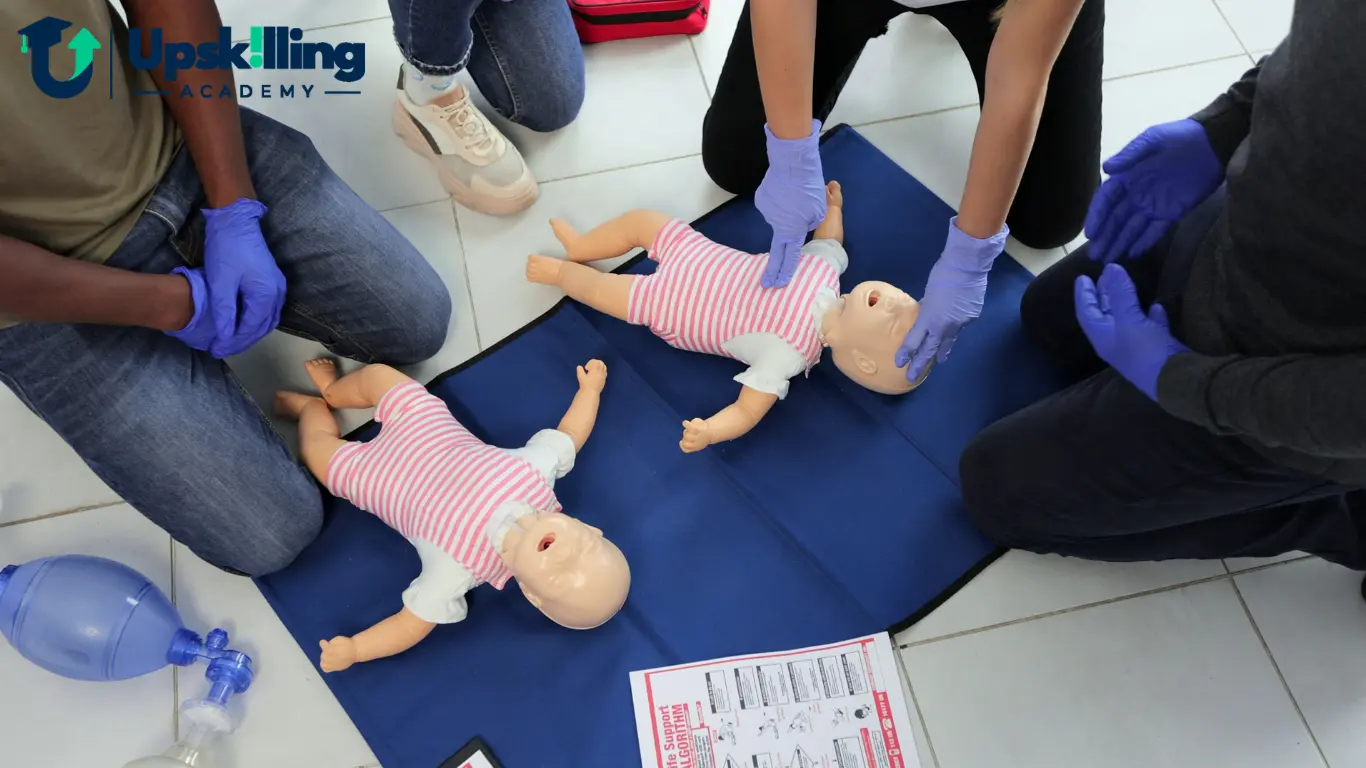
The Paediatric First Aid course is meticulously developed to address the unique emergencies affecting children and babies. Recognizing that children’s physiological and psychological needs differ from adults, this course delves into the specific anatomy of infants and the main causes of accidents and illnesses within this age group. Participants will gain an in-depth understanding of how to perform cardiopulmonary resuscitation (CPR) on children and infants, treat wounds, recognize the symptoms of serious medical conditions like asthma and anaphylaxis, and manage both minor and severe injuries.

The course content is delivered by experienced first aid instructors through a blend of lectures, video demonstrations, interactive discussions, and hands-on participation. Each section is designed to build learner confidence in emergency response, applying internationally recognized guidelines, including the Resuscitation Council’s recommendations. Additionally, the course emphasizes the importance of effective communication and emotional reassurance when dealing with distressed young patients and their caregivers.

By the end of this course, you will have mastered:

  • Primary assessment (DR ABC) and safety at the scene
  • CPR for infants and children (with use of automated external defibrillators, where appropriate)
  • The recovery position adapted for different ages
  • Management of choking in babies and children
  • Treatment of wounds, burns, scalds, fractures, sprains, and head injuries
  • Recognition and management of common childhood illnesses and allergic reactions
  • Identifying signs of meningitis, sepsis, diabetes, fever, and convulsions
  • Basic life support for children with chronic medical conditions (e.g., severe asthma, epilepsy)
  • Effective incident reporting and communication with emergency services
  • Reducing panic and promoting reassurance for both victim and onlookers

Course assessment involves practical demonstrations and a written quiz, ensuring participants can confidently apply their learning. Upon successful completion, learners will receive a certificate, valid for three years, confirming their competency and readiness to provide paediatric first aid.

Career Path

Achieving certification in Paediatric First Aid opens up numerous career and volunteer pathways, particularly in environments where child safety is paramount. The skills gained are universally recognized and highly valued in several sectors, including:

  • Childcare and Early Years Education: Nurseries, pre-schools, and kindergartens require staff to hold valid paediatric first aid qualifications.
  • Teaching and Support: Primary school teachers, teaching assistants, and after-school club facilitators benefit from first aid training to offer comprehensive care and reassurance to students and families.
  • Healthcare: Hospital play specialists, pediatric nurses, and therapy assistants applying for roles in paediatric departments are often required to have up-to-date first aid training.
  • Sports and Leisure: Youth sports coaches, swimming instructors, and camp counselors benefit from knowing how to handle on-the-field emergencies among children and teenagers.
  • Foster Care and Social Work: Foster carers, social workers, and community outreach volunteers work closely with vulnerable youth populations and need practical first aid expertise.
  • Parenting and Family Support: Parents, grandparents, and guardians gain peace of mind and valuable skills to protect their children at home and in the community.

Completing this course also lays the groundwork for further professional development in advanced first aid, emergency response leadership, or specialized paediatric care roles.

Who Is This Course For?

This course is tailored to meet the needs of a diverse audience, including:

  • Parents, guardians, and family members caring for babies and young children
  • Childminders, babysitters, au pairs, and nannies
  • Nursery and kindergarten staff, primary teachers, classroom assistants, and head teachers
  • Youth group leaders, Scout and Guide leaders, sports and recreational coaches
  • Healthcare professionals and support staff working with children
  • Foster carers, social workers, and community support personnel
  • Anyone wishing to increase their confidence and preparedness for paediatric emergencies

No prior medical knowledge is required. This course is suitable for both beginners and those wishing to refresh or update their skills in line with current best practice.

Requirements

  • No previous first aid experience is necessary. The course builds from the basics and progresses towards more advanced treatments.
  • Minimum Age: Participants must be at least 16 years old at the time of enrollment.
  • Physical ability: Learners must be able to kneel on the floor and demonstrate practical first aid techniques, such as CPR and the recovery position.
  • Language Skills: A good understanding of spoken and written English is essential to follow instructions and communicate effectively.
  • Attendance: Full participation, including practical sessions and assessments, is required to achieve certification.
  • Materials: All resources, including course handouts, manikins for practice, and first aid kits, will be provided by the training center or instructor.

Enthusiasm, willingness to participate, and a genuine interest in the safety and wellbeing of children will ensure that you make the most of this life-saving course.

Course Curriculum

Course Content

Module 01- Introduction to Paediatric First Aid

  • Lesson 01- Introduction to Paediatric First Aid

Module 02 – Pediatric first aid box

Module 03- Roles of Paediatric First Aid

Module 04- Responsibilities of Paediatric First Aider

Module 05 – First Aid Procedur

Module 06 – Child _ CPR infant

Module 07- Child Injuries

Module 08- About Bad Breath in Children

Who should take the course

  • - Parents and guardians of young children
  • - Nursery and preschool staff
  • - Childminders and babysitters
  • - Primary school teachers and assistants
  • - Sports coaches working with children
  • - Youth group leaders and volunteers
  • - Anyone responsible for the care of infants and children

Certificate for Success at Every Step

  • No expiry date. You can keep and use the certificate forever.
  • Recognised across various UK industries.
  • Increases your chances of employability.
  • Boosts your professional credibility.
  • Shows you're up to date with industry knowledge.
Framed Upskilling Academy certificates of completion

Course Reviews

Christine Ferguson

My experience with you was fantastic and easy to navigate. I'm looking forward to taking the course.
Jesse Harding

Provided highly informative and helpful responses, with quick and efficient replies.

Gary Schwartz

The course selection is broad, engaging, easy to follow, and offers a good challenge.

Bailey Burrows

Excellent course with user-friendly website navigation, making it easy to follow. I'm really enjoying the experience.

Benjamin Moreno

Great course with valuable information. Easy to follow, and I appreciated the flexibility to work at my own pace.

Quality Accreditation

  • incensu Registered Education Supplier
  • Association of Healthcare Trainers member
  • The CPD Group approved provider #790985
  • Disability Confident Committed

FAQ for Paediatric First Aid Level 3 Course

How do I access my course?

Once you complete your purchase, you’ll receive access to your course through your Upskilling Academy account. You can log in and access your learning materials online at any time.

How long do I have access to the course?

Your access period depends on the course and the package you purchase. Please check the course details or your order information for the applicable access period.

Can I study at my own pace?

Yes. Upskilling Academy courses are designed to provide flexible online learning, allowing you to study at a pace that suits your schedule.

Will I receive a certificate?

Certificate availability varies by course. Where a certificate is included, you’ll receive information about the requirements and how to obtain it within the course or upon completion.

Are the courses suitable for beginners?

Many courses are suitable for beginners, while others may assume some previous knowledge. Please review the individual course description for information about the recommended level and prerequisites.

