Upskilling Academy
Trusted by 3 million learners 24/7 online training Money back guarantee Fully accredited courses
Level 3 Certificate in Medical Law Thumbnail Lifetime Access
Sale

Level 3 Certificate in Medical Law

Medical Law Overview The intersection of law and medicine is a vital foundation for modern healthcare systems. The…

Best Seller Limited Time Offer
Last Updated 18 Sep 2026 352 Enrolled English Flexible Schedule

Access to 1500+ Courses with free CPD Certificates for Only £99 Get Now

What you will learn

  • - Gain a clear understanding of the legal principles affecting medical practice
  • - Learn how to ensure patient rights and maintain ethical standards
  • - Develop skills to navigate consent, confidentiality, and malpractice issues
  • - Stay updated on healthcare regulations and compliance requirements
  • - Improve decision-making in complex clinical and legal scenarios
  • - Enhance professional credibility and risk management skills
  • - Prepare for effective communication with legal professionals

Description

Medical Law

Overview

The intersection of law and medicine is a vital foundation for modern healthcare systems. The Medical Law course offers comprehensive coverage of the core legal principles and regulatory frameworks governing healthcare practice. Students of this course will explore the evolving ethical, social, and legal challenges faced by medical professionals, patients, insurers, administrators, and policymakers in the context of healthcare delivery. Through a mix of engaging lectures, real-world case studies, and practical problem-solving exercises, this course will equip learners with the knowledge and skills necessary to navigate and address legal dilemmas in medicine confidently and competently.

Description

The Medical Law course is designed to provide a foundational and analytical understanding of the legal issues prevalent in healthcare settings. Spanning a wide range of topics, the curriculum covers patient rights, consent and capacity, confidentiality, medical negligence, medical malpractice, end-of-life decisions, reproductive rights, public health law, biotechnology, telemedicine, research ethics, and regulatory compliance.

Participants will critically examine landmark cases and statutory materials, exploring how law protects patients while guiding and sometimes restricting the conduct of healthcare providers. The course additionally addresses the roles of regulatory bodies, the legal duties of healthcare professionals, risk management, and the implications of emerging medical technologies.

By the end of the course, students will:

  • Understand the legal and ethical frameworks governing medical decision-making and patient care.
  • Analyze the responsibilities and legal obligations of healthcare providers.
  • Identify and resolve ethical dilemmas and legal challenges in real-world medical contexts.
  • Appreciate the balance between patients’ rights, medical innovation, and public safety.
  • Develop effective communication and decision-making skills involving legal aspects of healthcare.

Learning is delivered through lectures, seminars, interactive workshops, and evaluations via written assignments and examinations. Students are encouraged to participate in group discussions and to reflect on contemporary developments in medical law.

Career Path

A solid understanding of medical law opens doors to a variety of career opportunities at the intersection of law, healthcare, and policy. On successful completion of this course, students will be well-positioned to pursue roles such as:

  • Healthcare Lawyer: Advising hospitals, clinicians, and healthcare organizations on legal compliance, risk mitigation, and litigation.
  • Compliance Officer: Overseeing regulatory standards in healthcare settings and implementing legal policies to ensure ethical practices.
  • Hospital Administrator: Managing operations while navigating complex legal landscapes including patient consent, privacy, liability, and employment law.
  • Medical Risk Manager: Identifying and addressing legal risks in the clinical environment to increase patient safety and limit malpractice liability.
  • Academic or Policy Analyst: Contributing to public health policy, regulatory reforms, and teaching or researching medical law topics.
  • Clinical Research Coordinator: Ensuring legal and ethical compliance in medical research, particularly regarding consent and patient safety.

The code of conduct and understanding acquired in this course are also invaluable for doctors, nurses, allied health professionals, researchers, and anyone engaging in healthcare or biomedical innovation.

Who Is This Course For?

The Medical Law course is ideal for a wide array of students and professionals seeking to expand their expertise in the legal dimensions of healthcare. This includes:

  • Undergraduate and postgraduate law students interested in specializing in medical or health law.
  • Medical, nursing, and allied health students who wish to understand the legal context of healthcare delivery.
  • Practicing clinicians and healthcare administrators seeking to improve their knowledge of medico-legal issues, risk management, and regulatory compliance.
  • Healthcare policy makers, analysts, and public health officials concerned with legislating, regulating, or shaping healthcare policy.
  • Researchers involved in clinical trials, biotechnology, and ethical-legal compliance.
  • Legal professionals wanting to transition into healthcare law or to broaden their portfolio with medical law expertise.

Anyone with a keen interest in the ethical, legal, and regulatory frameworks that underpin safe, effective, and respectful healthcare will find this course of significant benefit.

Requirements

To enroll in the Medical Law course, students must meet the following requirements:

  • Educational Background: A high school diploma (or equivalent) is required. Previous study in law, healthcare, life sciences, or social sciences is advantageous but not essential.
  • Language Proficiency: As the course involves substantial reading and discussion of complex legal texts, proficiency in English (or the language in which the course is provided) is necessary.
  • Critical Thinking and Analytical Skills: The ability to read, interpret, and critically assess legal materials and apply them to case studies is important.
  • Access to Technology: Reliable internet access and a computer or device capable of accessing course materials and participating in online discussions (for distance learning formats).
  • Motivation and Engagement: Willingness to participate in debates, group discussions, and independent research assignments.

No advanced legal or medical experience is required. The course is structured to accommodate learners from diverse educational and professional backgrounds, fostering a collaborative and multidisciplinary learning environment.

Course Curriculum

Course Content

Module 1_ Informed Consent

  • Lesson 1_ Informed Consent

Module 2_ Ethical and Legal Considerations in End-of-Life Care

Module 3_ Patient Rights and Responsibilities

Module 4_ Medical Malpractice and Liability

Module 5_ Medical Ethics and Professionalism

Who should take the course

  • - Medical students seeking to understand legal aspects of healthcare
  • - Practicing doctors and nurses wanting to stay updated on medical laws
  • - Hospital administrators involved in healthcare policy and compliance
  • - Legal professionals interested in specializing in healthcare law
  • - Healthcare workers aiming to minimize legal risks in their practice
  • - Medical researchers requiring knowledge of ethical and legal regulations
  • - Paramedics and allied health professionals needing a foundation in medical law

Certificate for Success at Every Step

  • No expiry date. You can keep and use the certificate forever.
  • Recognised across various UK industries.
  • Increases your chances of employability.
  • Boosts your professional credibility.
  • Shows you're up to date with industry knowledge.
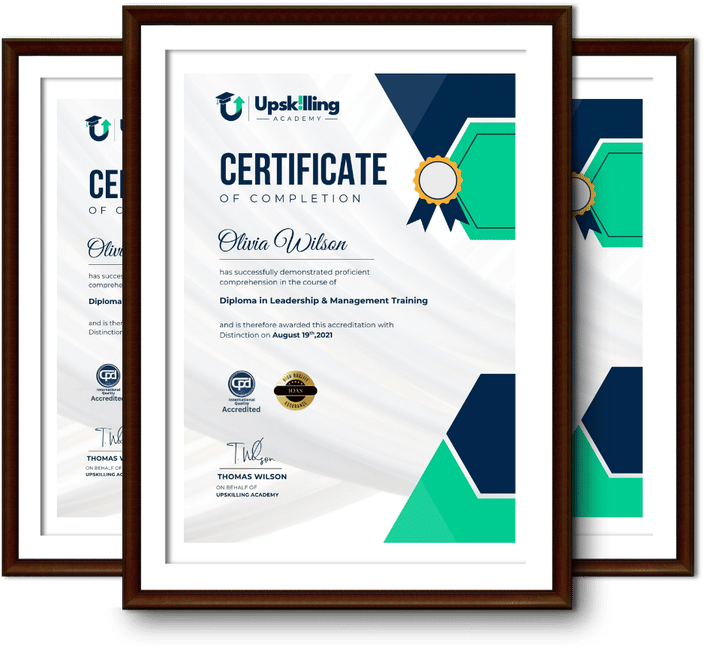
Framed Upskilling Academy certificates of completion

Course Reviews

Christine Ferguson

My experience with you was fantastic and easy to navigate. I'm looking forward to taking the course.

Jesse Harding

Provided highly informative and helpful responses, with quick and efficient replies.

Gary Schwartz

The course selection is broad, engaging, easy to follow, and offers a good challenge.

Bailey Burrows

Excellent course with user-friendly website navigation, making it easy to follow. I'm really enjoying the experience.

Benjamin Moreno

Great course with valuable information. Easy to follow, and I appreciated the flexibility to work at my own pace.

Quality Accreditation

  • incensu Registered Education Supplier
  • Association of Healthcare Trainers member
  • The CPD Group approved provider #790985
  • Disability Confident Committed

FAQ for Level 3 Certificate in Medical Law

How do I access my course?

Once you complete your purchase, you’ll receive access to your course through your Upskilling Academy account. You can log in and access your learning materials online at any time.

How long do I have access to the course?

Your access period depends on the course and the package you purchase. Please check the course details or your order information for the applicable access period.

Can I study at my own pace?

Yes. Upskilling Academy courses are designed to provide flexible online learning, allowing you to study at a pace that suits your schedule.

Will I receive a certificate?

Certificate availability varies by course. Where a certificate is included, you’ll receive information about the requirements and how to obtain it within the course or upon completion.

Are the courses suitable for beginners?

Many courses are suitable for beginners, while others may assume some previous knowledge. Please review the individual course description for information about the recommended level and prerequisites.