Upskilling Academy
Trusted by 3 million learners 24/7 online training Money back guarantee Fully accredited courses
Level 3 Certificate in Introduction to Seed Saving Thumbnail Lifetime Access
Sale

Level 3 Certificate in Introduction to Seed Saving

Introduction to Seed Saving Overview Seed saving is an ancient practice that has newfound relevance in contemporary agriculture,…

Best Seller Limited Time Offer
Last Updated 12 Oct 2026 352 Enrolled English Flexible Schedule

Access to 1500+ Courses with free CPD Certificates for Only £99 Get Now

What you will learn

  • - Gain the skills to save and store seeds from your own garden
  • - Reduce your dependence on buying new seeds every year
  • - Learn to preserve rare and heirloom plant varieties
  • - Save money by producing your own viable seeds
  • - Help promote biodiversity in your local ecosystem
  • - Empower yourself and your community with food security skills
  • - Connect with a network of like-minded gardeners and seed savers

Description

Introduction to Seed Saving

Overview

Seed saving is an ancient practice that has newfound relevance in contemporary agriculture, environmental sustainability, and personal gardening. The “Introduction to Seed Saving” course provides an engaging entry point for learners who wish to develop a profound understanding of why and how to save seeds from their plants. Throughout this course, participants will explore the fascinating journey of seeds, from pollination and harvest to preservation and replanting. This introductory program is designed to empower individuals to take control of their food production, contribute to biodiversity, and become stewards of plant heritage.

By the end of this course, students will possess the foundational knowledge and practical skills required to begin their own seed-saving adventures, whether for personal gardens, community projects, small-scale farming, or future professional opportunities. The course combines theoretical foundations, historical context, hands-on activities, and real-world case studies to provide a holistic approach to seed saving.

Description

This comprehensive course is structured into multiple modules, each designed to build a layered understanding of the art and science of seed saving. Students will learn about the biological processes of pollination, genetic diversity, and plant reproduction. We’ll delve into the distinction between open-pollinated, heirloom, and hybrid seeds, and why these differences matter for seed saving.

Course content will cover:

  • Botany Basics: Understand how plants grow, flower, and produce seeds; key anatomy for seed savers; the science of pollination and fertilization.
  • Genetic Principles: Explore the importance of genetic diversity in crops and the difference between self-pollinating and cross-pollinating plants.
  • Seed Selection: Learn how to identify, select, and harvest seeds from a variety of vegetables, fruits, herbs, and flowers.
  • Processing & Storage: Techniques to dry, clean, test, and preserve seeds for maximum viability and longevity.
  • Legal & Ethical Considerations: Navigating seed laws, understanding intellectual property issues, respecting indigenous seed heritage, and contributing ethically to communal seed banks.
  • Sowing a Seed Library: Steps to organize your own home or community seed library, including documentation, labeling, and community engagement.
  • Addressing Challenges: Handling cross-pollination risks, managing disease pressures, adapting to climate change, and troubleshooting common problems.

The curriculum integrates practical exercises such as seed cleaning, germination testing, and record-keeping. Learners will also participate in interactive discussions, hands-on assignments, and group projects focused on community seed exchanges or starting seed banks.

Aspiring seed savers will leave this course with a toolkit of methods and resources to build resilience in their gardens, foster food sovereignty, and safeguard genetic diversity for generations to come.

Career Path

Seed saving skills extend beyond hobby gardening. As the world increasingly values sustainable agriculture and biodiversity, professionals with an understanding of seed saving are in growing demand. Course graduates can apply their knowledge in a variety of fields, such as:

  • Organic Farming: Practicing seed saving reduces input costs, supports organic production, and helps maintain rare crop varieties.
  • Horticulture and Nursery Management: Seed saving adds value to nursery operations, allowing for unique or locally-adapted plant offerings.
  • Seed Libraries and Community Organizations: Many nonprofit groups, schools, and municipalities need knowledgeable individuals to lead seed saving initiatives and educational campaigns.
  • Environmental Conservation: Conservation organizations often seek specialists in plant genetics, restoration ecology, or seed banking.
  • Home Gardening and Homesteading: Self-reliant families or smallholders can benefit financially and nutritionally through in-depth seed saving practices.
  • Education and Outreach: Use your expertise to teach others, develop educational materials, or lead workshops in schools, community centers, or botanical gardens.

This course also serves as a foundation for further professional studies in plant sciences, agronomy, agroecology, and food sovereignty.

Who Is This Course For?

“Introduction to Seed Saving” is perfectly suited for a wide array of learners, including:

  • Home gardeners who wish to reduce costs, preserve rare varieties, and cultivate a more resilient garden.
  • Farmers, urban growers, and market gardeners interested in sustainability, agroecology, or organic certification.
  • Teachers, educators, and community organizers looking to launch seed saving programs, school gardens, or seed libraries.
  • Conservationists seeking to protect endangered plant species or restore native plant habitats.
  • Anyone committed to food security, food sovereignty, or the preservation of cultural seed heritage.
  • Learners with a passion for self-sufficiency, environmental activism, or science-based hobbies.

No prior experience in gardening or botany is required—just a willingness to learn, experiment, and contribute to the stewardship of our planet’s biodiversity.

Requirements

To get the most out of this course, participants should have:

  • A small amount of outdoor or indoor growing space (e.g., backyard, balcony, community plot, even window boxes).
  • Basic gardening tools such as trowels, pruners, and containers for collecting and drying seeds.
  • Access to common household materials for seed processing (jars, envelopes, screens, and labels).
  • Internet access for course materials, readings, videos, and online discussions.
  • A notebook or digital device for logging observations and seed-saving records.
  • Enthusiasm to get your hands dirty, engage with peers, and experiment with seeds!

All readings and required resources will be provided. Optional supplies for hands-on activities and recommended further reading will be suggested throughout the course.

Course Curriculum

Course Content

Module 1_ Introduction to Seed Saving

  • Lesson 1_ Introduction to Seed Saving

Module 2_ Seed Development and Maturation

Module 3_ Plant Reproduction and Pollination

Module 4_ Selecting Plants for Seed Saving

Module 5_ Seed Harvesting Techniques

Module 6_ Seed Processing and Cleaning

Who should take the course

  • - Home gardeners interested in saving seeds from their own plants
  • - Beginners who want to learn basic seed saving techniques
  • - Community garden members looking to increase plant sustainability
  • - Urban farmers seeking ways to reduce gardening costs
  • - Teachers or educators planning to introduce seed saving to students
  • - Small-scale farmers wanting to preserve heirloom varieties
  • - Environmental enthusiasts passionate about biodiversity and food security

Certificate for Success at Every Step

  • No expiry date. You can keep and use the certificate forever.
  • Recognised across various UK industries.
  • Increases your chances of employability.
  • Boosts your professional credibility.
  • Shows you're up to date with industry knowledge.
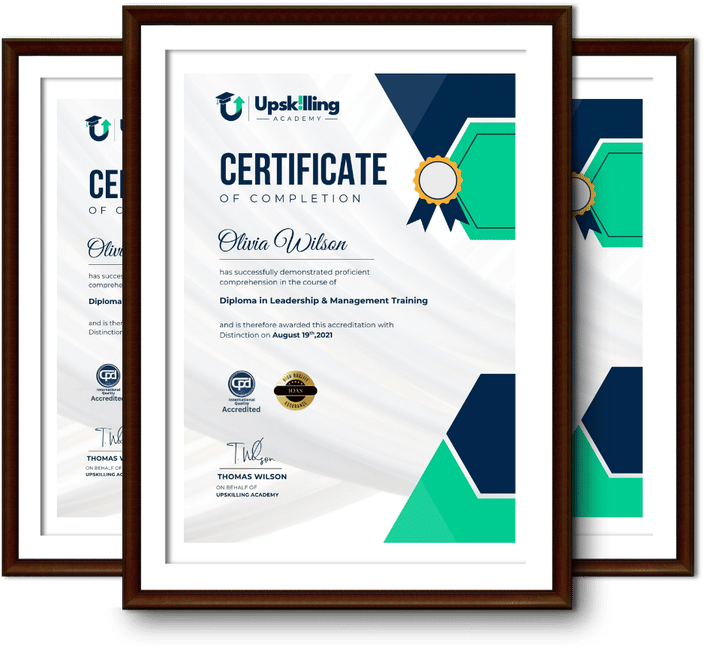
Framed Upskilling Academy certificates of completion

Course Reviews

Christine Ferguson

My experience with you was fantastic and easy to navigate. I'm looking forward to taking the course.

Jesse Harding

Provided highly informative and helpful responses, with quick and efficient replies.

Gary Schwartz

The course selection is broad, engaging, easy to follow, and offers a good challenge.

Bailey Burrows

Excellent course with user-friendly website navigation, making it easy to follow. I'm really enjoying the experience.

Benjamin Moreno

Great course with valuable information. Easy to follow, and I appreciated the flexibility to work at my own pace.

Quality Accreditation

  • incensu Registered Education Supplier
  • Association of Healthcare Trainers member
  • The CPD Group approved provider #790985
  • Disability Confident Committed

FAQ for Level 3 Certificate in Introduction to Seed Saving

How do I access my course?

Once you complete your purchase, you’ll receive access to your course through your Upskilling Academy account. You can log in and access your learning materials online at any time.

How long do I have access to the course?

Your access period depends on the course and the package you purchase. Please check the course details or your order information for the applicable access period.

Can I study at my own pace?

Yes. Upskilling Academy courses are designed to provide flexible online learning, allowing you to study at a pace that suits your schedule.

Will I receive a certificate?

Certificate availability varies by course. Where a certificate is included, you’ll receive information about the requirements and how to obtain it within the course or upon completion.

Are the courses suitable for beginners?

Many courses are suitable for beginners, while others may assume some previous knowledge. Please review the individual course description for information about the recommended level and prerequisites.