
Upskilling Academy
Trusted by 3 million learners 24/7 online training Money back guarantee Fully accredited courses
Level 3 Certificate in Introduction to Metalworking Thumbnail Lifetime Access
Sale

Level 3 Certificate in Introduction to Metalworking

Introduction to Metalworking Overview The “Introduction to Metalworking” course offers a comprehensive foundation in the principles, techniques, and…

Best Seller Limited Time Offer
Last Updated 14 Oct 2026 352 Enrolled English Flexible Schedule

Access to 1500+ Courses with free CPD Certificates for Only £59 Get Now

What you will learn

  • - Gain hands-on experience with essential metalworking tools and techniques
  • - Build foundational skills for safe and effective metalworking
  • - Boost creativity and confidence through practical projects
  • - Learn to read and follow technical drawings and measurements
  • - Develop problem-solving and critical-thinking abilities
  • - Prepare for further study or a career in metalworking fields
  • - Join a supportive community of aspiring metalworkers

Description

Introduction to Metalworking

Overview

The “Introduction to Metalworking” course offers a comprehensive foundation in the principles, techniques, and practical applications of working with metal. Designed for beginners and those seeking to expand their understanding, this course provides a blend of theoretical knowledge and hands-on experience. Students will learn the properties of different metals, safety procedures, tool usage, fabrication methods, and finishing processes, setting the groundwork for both personal hobbyists and aspiring professionals in fields such as manufacturing, art, and engineering.

Description

Metalworking is the craft and science of shaping, cutting, and joining metals to create functional or artistic items. This course guides students through the essential processes and theory, including the historical development and significance of metalworking, the identification and selection of various materials, and an introduction to the wide array of tools used in the trade.

Key topics include:

  • History and fundamentals of metalworking
  • Types and properties of metals: ferrous vs. non-ferrous, alloys, and their applications
  • Safe workspace setup and safety practices
  • Hand and power tools: maintenance, handling, and selection
  • Measuring, marking, and layout techniques
  • Basic metal cutting processes: sawing, shearing, and abrasive techniques
  • Forming and shaping methods: bending, rolling, stamping, and pressing
  • Joining techniques: welding, soldering, riveting, and mechanical fasteners
  • Surface finishing: grinding, polishing, and protective coatings
  • Reading simple fabrication prints and interpreting technical drawings
  • Health, safety, and environmental considerations in the workshop
  • Project-based learning: creating simple metal objects and evaluating results

By the end of the course, students will develop a solid understanding of basic metalworking processes and be able to plan, initiate, and complete small-scale projects. They will also build an appreciation for the importance of precision, safety, and creativity in the metalworking discipline.

Career Path

Introduction to Metalworking opens the door to a wide spectrum of career opportunities and future academic pursuits. Whether as an avocation or a stepping stone to a professional trade, the practical and theoretical skills gained in this course are highly transferable. After completion, students may choose to further specialize in specific metalworking fields or related areas.

Possible career paths and next steps include:

  • Fabrication Specialist: Starting roles in metal fabrication shops, working with cutting, forming, and joining methods.
  • Welding Professional: Pursue further certification in welding, leading to jobs in construction, manufacturing, shipbuilding, or automotive industries.
  • Machinist Apprentice: Entry into roles involving operation of lathes, mills, and other machine tools, with on-the-job training and advancement opportunities.
  • Metal Artist or Sculptor: Combine creativity with technical skill to produce metal artwork for public or private commissions.
  • Maintenance and Repair Technician: Work on maintaining and repairing metal assemblies in various sectors, from manufacturing to transportation.
  • Academic Pursuits: Foundation for further study in mechanical engineering, industrial design, or material sciences.

Additionally, the skills developed are highly relevant to hobbyists interested in DIY repair, home projects, jewelry making, or automotive restoration.

Who Is This Course For?

“Introduction to Metalworking” is designed to appeal to a broad audience, regardless of age or prior experience. Whether you are looking to start a new hobby, improve existing trade skills, or lay the foundation for a vocational or academic pathway, this course offers something for everyone.

  • Absolute Beginners: Anyone curious about how to safely and effectively work with metal, even if they have never handled tools before.
  • Students and Young Adults: High school or college students interested in technical education or exploring trades for potential career opportunities.
  • Hobbyists: Makers, DIYers, and craft enthusiasts looking to expand their project capabilities into metalworking.
  • Artists and Designers: Individuals aiming to incorporate metal into art or design projects, seeking formal instruction in techniques and safety.
  • Professionals and Career Changers: Those considering entering manufacturing, auto repair, construction, or related fields without prior workshop experience.

No matter your background, this course provides a welcoming and inclusive environment, supporting each participant in developing confidence and competence in the metalworking shop.

Requirements

To ensure a successful and safe learning experience, the following requirements should be considered before enrolling in “Introduction to Metalworking”:

  • Age: Minimum recommended age is 16, unless otherwise specified. Underage students may require parental consent or supervision depending on local regulations.
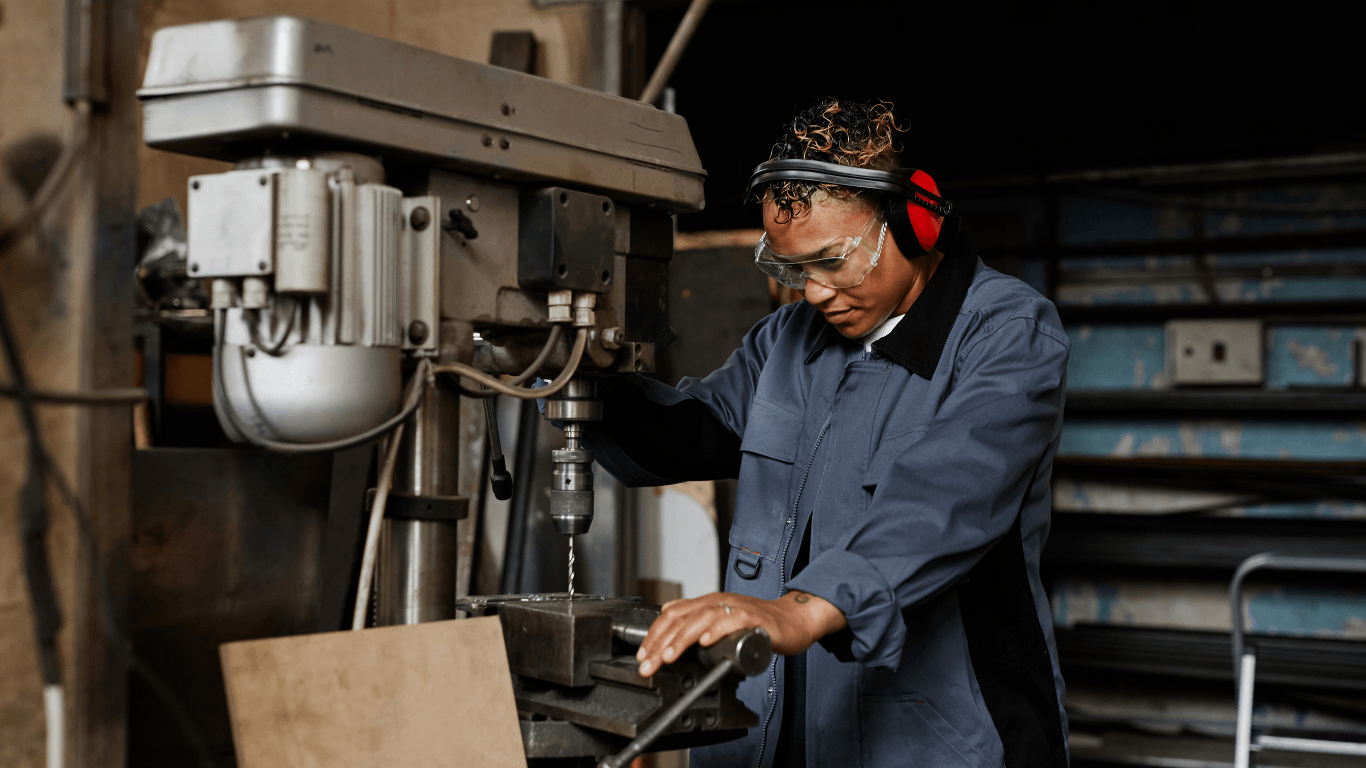
  • Safety Equipment: Students must wear appropriate attire, including closed-toe shoes, long pants, and avoid loose clothing. Personal protective equipment (PPE) such as safety glasses, hearing protection, and work gloves will be provided or a list will be supplied for self-sourcing.
  • Physical Ability: Participants should be able to stand, lift moderate weights, and perform manual tasks for extended periods. Reasonable accommodations can be made for those with physical limitations—please contact the instructor before enrollment to discuss any requirements.
  • Tools and Materials: All necessary tools and basic materials are provided as part of the course fee. Students may opt to bring their own hand tools if preferred.
  • No Prior Experience Required: This is a beginner-level course. All concepts, tools, and techniques are taught from the ground up.
  • Attendance and Participation: Regular attendance and active participation in both theoretical and practical sessions are essential for skill development and successful course completion.

By adhering to these requirements, students ensure not only their own safety and well-being but also contribute to a productive and supportive workshop environment.

Course Curriculum

Course Content

Module 1 – Introduction to Metalworking

  • Lesson 1 – Introduction to Metalworking

Module 2 – Basic Tools and Equipment

Module 3 – Metal Cutting Techniques

Module 4 -Metal Joining Methods

Module 5 – Metal Forming Techniques

Module 6 – Surface Finishing and Treatment

Module 7 – Measurements and Precision

Who should take the course

  • - Beginners interested in learning basic metalworking skills
  • - Hobbyists looking to create metal projects at home
  • - Students exploring career options in trades or engineering
  • - Artists wanting to expand into metal sculpture or jewelry
  • - DIY enthusiasts seeking to repair or make metal items
  • - Technical education teachers seeking foundational knowledge
  • - Adults considering a new hands-on hobby or side business

Certificate for Success at Every Step

  • No expiry date. You can keep and use the certificate forever.
  • Recognised across various UK industries.
  • Increases your chances of employability.
  • Boosts your professional credibility.
  • Shows you're up to date with industry knowledge.
Framed Upskilling Academy certificates of completion

Course Reviews

Christine Ferguson

My experience with you was fantastic and easy to navigate. I'm looking forward to taking the course.
Jesse Harding

Provided highly informative and helpful responses, with quick and efficient replies.

Gary Schwartz

The course selection is broad, engaging, easy to follow, and offers a good challenge.

Bailey Burrows

Excellent course with user-friendly website navigation, making it easy to follow. I'm really enjoying the experience.

Benjamin Moreno

Great course with valuable information. Easy to follow, and I appreciated the flexibility to work at my own pace.

Quality Accreditation

  • incensu Registered Education Supplier
  • Association of Healthcare Trainers member
  • The CPD Group approved provider #790985
  • Disability Confident Committed

FAQ for Level 3 Certificate in Introduction to Metalworking

How do I access my course?

Once you complete your purchase, you’ll receive access to your course through your Upskilling Academy account. You can log in and access your learning materials online at any time.

How long do I have access to the course?

Your access period depends on the course and the package you purchase. Please check the course details or your order information for the applicable access period.

Can I study at my own pace?

Yes. Upskilling Academy courses are designed to provide flexible online learning, allowing you to study at a pace that suits your schedule.

Will I receive a certificate?

Certificate availability varies by course. Where a certificate is included, you’ll receive information about the requirements and how to obtain it within the course or upon completion.

Are the courses suitable for beginners?

Many courses are suitable for beginners, while others may assume some previous knowledge. Please review the individual course description for information about the recommended level and prerequisites.

