Upskilling Academy
Trusted by 3 million learners 24/7 online training Money back guarantee Fully accredited courses
Level 3 Certificate in Introduction to Hydroponics Thumbnail Lifetime Access
Sale

Level 3 Certificate in Introduction to Hydroponics

Introduction to Hydroponics Overview Hydroponics is revolutionizing the way we approach food production in both urban and rural…

Best Seller Limited Time Offer
Last Updated 13 Oct 2026 352 Enrolled English Flexible Schedule

Access to 1500+ Courses with free CPD Certificates for Only £99 Get Now

What you will learn

  • - Learn the fundamentals of soilless plant growing systems
  • - Discover how to grow fresh vegetables and herbs year-round
  • - Gain practical skills to set up and maintain a hydroponic garden
  • - Save water and space compared to traditional gardening methods
  • - Improve your understanding of plant nutrition and growth cycles
  • - Reduce your reliance on pesticides and chemical fertilizers
  • - Explore opportunities for small-scale business or home food production

Description

Introduction to Hydroponics

Overview

Hydroponics is revolutionizing the way we approach food production in both urban and rural settings. As sustainability, resource efficiency, and innovative farming methods grow in importance, hydroponics has emerged as a highly efficient, soil-less method for growing plants. This Introduction to Hydroponics course provides a thorough grounding in hydroponic principles, system types, crop selection, and the science behind soilless agriculture.

From aspiring hobbyists and educators to commercial growers and sustainability advocates, this course equips learners with a robust framework for understanding and practicing hydroponics. By leveraging a blend of theoretical knowledge and practical exercises, you’ll gain actionable skills that translate directly into real-life hydroponic projects.

Description

This course is meticulously designed for learners keen to explore the fundamentals and practicalities of hydroponic growing systems. You will be introduced to the origins and evolution of hydroponics, learn how hydroponic systems function, and engage with the scientific principles underpinning plant growth in soilless environments.

Throughout the course, you’ll explore major hydroponic systems, including deep water culture (DWC), nutrient film technique (NFT), ebb and flow (flood and drain), aeroponics, and wick systems. You’ll examine each system’s strengths and limitations, allowing you to determine which is most suitable for different crops, space considerations, and budgetary constraints.

Key course content includes:

  • The History and Evolution of Hydroponics: Understand how hydroponics developed and its modern-day applications.
  • Core Scientific Principles: Learn essential plant biology, nutrient cycles, and how water, nutrients, and light interact within hydroponic systems.
  • Types of Hydroponic Systems: In-depth study of DWC, NFT, drip systems, wick systems, ebb and flow, and cutting-edge aeroponics.
  • System Design and Setup: Step-by-step guidance on building your own hydroponic setups at home, in schools, or in commercial spaces.
  • Plant Selection and Crop Planning: Analyze which types of plants are most suited for hydroponics and how to optimize yields.
  • Nutrient Management: Selection, mixing, and monitoring of plant nutrients to ensure healthy growth.
  • Pest and Disease Control: Identify and manage common problems unique to hydroponics.
  • Environmental Management: Understand the importance of temperature, humidity, light cycles, and ventilation.
  • Sustainability and Scalability: Explore hydroponics as a sustainable agriculture practice adaptable to households, communities, and commercial ventures.

Hands-on activities, case studies, and simple DIY projects will reinforce theoretical lessons, ensuring that by the end of the course, learners have the confidence and inspiration to begin their own hydroponic journey.

Career Path

The skills and expertise gained in this course are valuable across a range of green industries and food production sectors. Graduates of the Introduction to Hydroponics course can pursue several exciting opportunities, including but not limited to:

  • Urban Farming: Transform rooftops, backyards, and vacant lots into productive growing spaces using hydroponic methods.
  • Commercial Greenhouse Operation: Manage or consult for hydroponic operations supplying fresh produce to local and regional markets.
  • Sustainable Agriculture: Contribute expertise to community-based agriculture projects, food security initiatives, and sustainability education programs.
  • Agricultural Technology Development: Collaborate with innovators and companies designing next-generation hydroponic systems and solutions.
  • Education and Advocacy: Teach hydroponic techniques in schools or community centers, or raise awareness about sustainable food systems.
  • Research: Assist in or conduct research on plant biology, controlled environment agriculture, and advanced hydroponics technologies.

For those seeking to expand their agricultural enterprise or pivot into environmentally conscious careers, foundational hydroponics knowledge is a valuable and increasingly sought-after skill set.

Who Is This Course For?

This course is ideal for a wide range of prospective students and professionals who are passionate about agriculture, sustainability, and innovative solutions. It is especially recommended for:

  • Beginner gardeners curious about soilless plant cultivation.
  • Homesteaders interested in maximizing food production with limited space or poor soil quality.
  • Educators seeking hands-on STEM learning opportunities for students.
  • Students exploring careers in agriculture, biology, or environmental sciences.
  • Community organizers interested in developing local food production initiatives.
  • Entrepreneurs and business owners aiming to launch commercial hydroponics ventures.
  • Anyone interested in contributing to food security, sustainability, and innovation in agriculture.

No prior experience in plant science or gardening is necessary—just an interest in learning, problem solving, and making a positive impact on food production and sustainability.

Requirements

  • Interest in Sustainability or Agriculture: An open mind and a willingness to experiment with new gardening methods.
  • Basic Understanding of Science: While the course is beginner-friendly, a foundational grasp of biology or chemistry is helpful but not required.
  • Access to Internet-Connected Device: Course materials may include videos, downloadable documents, and interactive assignments accessible via computer or tablet.
  • Optional Practical Supplies: For hands-on modules, students may choose to assemble simple hydroponic systems at home. A recommended supply list will be provided early in the course, but participation is optional for practical projects.
  • Time Commitment: Prepare to dedicate 3-5 hours per week to lectures, readings, discussions, and practical activities over the length of the course.

By the end of this course, you’ll have a foundational understanding of hydroponic systems and the skills to plan, set up, and maintain your own soil-free gardens. You will be empowered to join a growing community of innovators redefining the future of agriculture and sustainable food production.

Course Curriculum

Course Content

Module 1 – Understanding Hydroponics

  • Lesson 1 – Understanding Hydroponics

Module 2 – Plant Nutrition in Hydroponics

Module 3 – Hydroponic Growing Mediums

Module 4 – Hydroponic Systems

Module 5 – Water Management in Hydroponics

Module 6- Plant Selection and Crop Management

Who should take the course

  • - Beginners interested in growing plants without soil
  • - Home gardeners looking to expand their skills
  • - Urban residents with limited outdoor space
  • - Science teachers or educators seeking classroom projects
  • - Hobbyists curious about sustainable agriculture
  • - Students or young learners wanting hands-on plant science experience
  • - Small business owners exploring hydroponic farming options

Certificate for Success at Every Step

  • No expiry date. You can keep and use the certificate forever.
  • Recognised across various UK industries.
  • Increases your chances of employability.
  • Boosts your professional credibility.
  • Shows you're up to date with industry knowledge.
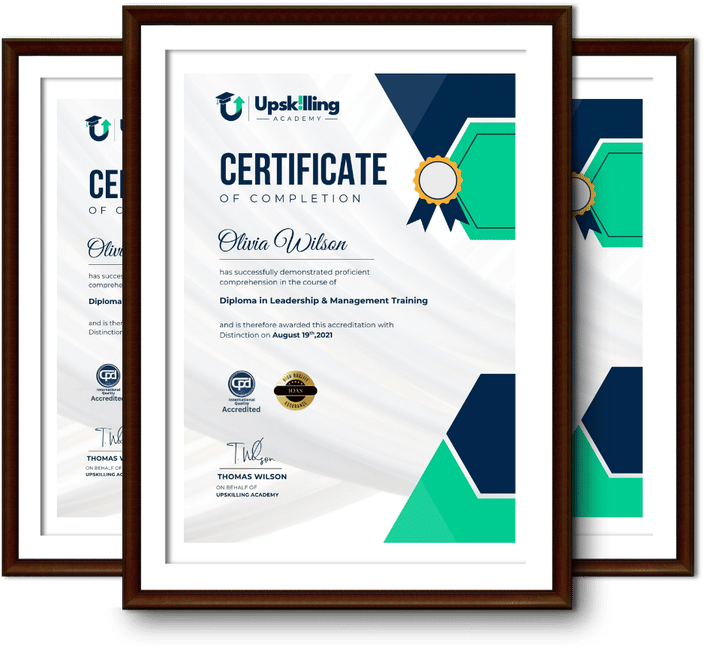
Framed Upskilling Academy certificates of completion

Course Reviews

Christine Ferguson

My experience with you was fantastic and easy to navigate. I'm looking forward to taking the course.
Jesse Harding

Provided highly informative and helpful responses, with quick and efficient replies.

Gary Schwartz

The course selection is broad, engaging, easy to follow, and offers a good challenge.

Bailey Burrows

Excellent course with user-friendly website navigation, making it easy to follow. I'm really enjoying the experience.

Benjamin Moreno

Great course with valuable information. Easy to follow, and I appreciated the flexibility to work at my own pace.

Quality Accreditation

  • incensu Registered Education Supplier
  • Association of Healthcare Trainers member
  • The CPD Group approved provider #790985
  • Disability Confident Committed

FAQ for Level 3 Certificate in Introduction to Hydroponics

How do I access my course?

Once you complete your purchase, you’ll receive access to your course through your Upskilling Academy account. You can log in and access your learning materials online at any time.

How long do I have access to the course?

Your access period depends on the course and the package you purchase. Please check the course details or your order information for the applicable access period.

Can I study at my own pace?

Yes. Upskilling Academy courses are designed to provide flexible online learning, allowing you to study at a pace that suits your schedule.

Will I receive a certificate?

Certificate availability varies by course. Where a certificate is included, you’ll receive information about the requirements and how to obtain it within the course or upon completion.

Are the courses suitable for beginners?

Many courses are suitable for beginners, while others may assume some previous knowledge. Please review the individual course description for information about the recommended level and prerequisites.