Upskilling Academy
Trusted by 3 million learners 24/7 online training Money back guarantee Fully accredited courses
Interior Design Level 3 Course Thumbnail Lifetime Access
Sale

Interior Design Level 3 Course

Interior Design Overview The Interior Design course is a comprehensive program crafted for individuals passionate about enhancing interior…

Best Seller Limited Time Offer
Last Updated 18 Sep 2026 352 Enrolled English Flexible Schedule

Access to 1500+ Courses with free CPD Certificates for Only £99 Get Now

What you will learn

  • - Gain practical skills to create beautiful, functional spaces for homes and businesses
  • - Learn the fundamentals of color theory, furniture arrangement, and lighting design
  • - Acquire knowledge about current trends and timeless design principles
  • - Enhance your creativity and problem-solving abilities for real-world interior challenges
  • - Build a professional portfolio to showcase your design projects
  • - Boost your confidence to start a career in interior design or launch your own business
  • - Network with instructors and peers for inspiration and industry connections

Description

Interior Design

Overview

The Interior Design course is a comprehensive program crafted for individuals passionate about enhancing interior spaces, creatively solving design problems, and mastering the harmony between function and aesthetics. This course offers both foundational knowledge and practical skills essential for anyone aspiring to enter the dynamic field of interior design. With a curriculum emphasizing technical proficiency, creative exploration, and real-world application, students will develop the ability to conceptualize and implement intelligent and appealing environments suitable for residential, commercial, and public settings.

Description

This dynamic course guides learners through the foundational principles, methodologies, and contemporary practices of interior design. Beginning with the basics—such as color theory, space planning, and material selection—the syllabus progressively delves into more intricate subjects such as lighting, furniture design, sustainability, and the use of cutting-edge design software.

Throughout this course, students engage in a blend of lecture-based learning, hands-on assignments, and collaborative projects. Key topics covered include:

  • Elements and Principles of Design: Understanding how to balance texture, color, scale, and proportion to create visually pleasing and functional spaces.
  • Space Planning: Techniques for optimizing floorplans and ensuring efficient use of space while considering client needs.
  • Materials and Finishes: A deep dive into fabrics, finishes, flooring, and wall treatments, including sustainable and innovative materials.
  • Lighting and Acoustics: Theories and practical aspects of artificial and natural lighting, as well as acoustic solutions.
  • Interior Design Software: Hands-on practice with industry-standard tools such as AutoCAD, SketchUp, and Adobe Creative Suite for visualization and execution.
  • History and Theory: Exploration of interior design history, notable movements, and influential designers.
  • Professional Practices: Covering business ethics, project management, client relations, and portfolio development.

As the creative industry evolves, so does the curriculum, incorporating the latest trends, such as biophilic design, smart homes, and wellness-focused interiors. The interactive nature of this course ensures students leave with a robust portfolio, practical skills, and the confidence to embark on a professional journey in interior design.

Career Path

Upon successful completion of the Interior Design course, graduates are equipped for a diverse array of career opportunities in both the private and public sectors. Career paths include, but are not limited to:

  • Residential Interior Designer: Transform homes into functional, comfortable, and aesthetically compelling environments.
  • Commercial Interior Designer: Shape interiors for offices, hotels, restaurants, and retail spaces, with a focus on branding and user experience.
  • Set Designer: Collaborate on design teams for stage, film, or television productions, creating impactful spaces that support storytelling.
  • Furniture Designer: Innovate and craft unique furnishings that complement interior schemes.
  • Lighting Designer: Specialize in creating bespoke lighting solutions to enhance the ambiance and functionality of spaces.
  • Exhibition Designer: Curate displays for museums, galleries, and trade shows, integrating narrative and design principles.
  • Freelance Interior Designer: Work independently with a variety of clients or on project-based assignments.

Additionally, this course lays the foundation for advanced studies in interior architecture, landscape design, or related creative industries. Armed with an impressive portfolio and solid technical skills, graduates often find themselves in high demand by design studios, architectural firms, and retail brands.

Who Is This Course For?

This course is ideal for:

  • Aspiring Interior Designers: Individuals seeking entry into the interior design field who want a well-rounded, industry-relevant education.
  • Professionals in Related Fields: Architects, decorators, or real estate professionals aiming to broaden their skillset and enhance their proficiency in interior design.
  • Creative Enthusiasts: Hobbyists, art lovers, and DIY decorators passionate about transforming spaces and expressing their creativity.
  • Entrepreneurs and Business Owners: Those interested in renovating or launching hospitality, retail, or real estate ventures, seeking knowledge to make informed design decisions.
  • Students Considering Advanced Education: Learners planning to pursue further study in interior design, interior architecture, or similar disciplines.

Whether you are at the beginning of your creative journey or looking to sharpen your professional edge, this course offers a supportive learning environment, a collaborative peer network, and personalized guidance from experienced instructors.

Requirements

No prior formal education in interior design is necessary; this course starts with the fundamentals and builds up to advanced applications. However, there are some core requirements and recommendations to ensure learners can fully engage and succeed:

  • Interest and Motivation: A genuine passion for design, creativity, and problem-solving is essential.
  • Basic Computer Literacy: Comfort with computers is required, as much of the coursework involves design software and online research.
  • Access to Materials: Access to drawing supplies (pencils, paper, rulers), color samples, and measuring tools; a laptop or desktop computer capable of running design software is highly recommended.
  • Time Commitment: The ability to dedicate sufficient time each week to lectures, assignments, and project work to take full advantage of the course.
  • Openness to Feedback: Willingness to participate, share ideas, and accept constructive critique throughout studio activities and peer reviews.

Previous experience with art, design, or architecture is advantageous but not necessary. The course structure supports both beginners and those advancing their existing skills, ensuring everyone can progress at their own pace and achieve their personal and professional goals in the world of interior design.

Course Curriculum

Course Content

Interior Design- Module 1

  • Interior Design- Lesson 1

Interior Design- Module 2

Interior Design- Module 3

Interior Design- Module 4

Interior Design- Module 5

Interior Design- Module 6

Interior Design- Module 7

Interior Design- Module 8

Who should take the course

  • - Beginners interested in learning the basics of interior design
  • - Homeowners looking to redesign or refresh their living spaces
  • - Students considering a career in interior design
  • - DIY enthusiasts wanting to improve their decorating skills
  • - Small business owners aiming to upgrade their business interiors
  • - Realtors wanting to enhance property staging
  • - Hobbyists who enjoy creative home projects

Certificate for Success at Every Step

  • No expiry date. You can keep and use the certificate forever.
  • Recognised across various UK industries.
  • Increases your chances of employability.
  • Boosts your professional credibility.
  • Shows you're up to date with industry knowledge.
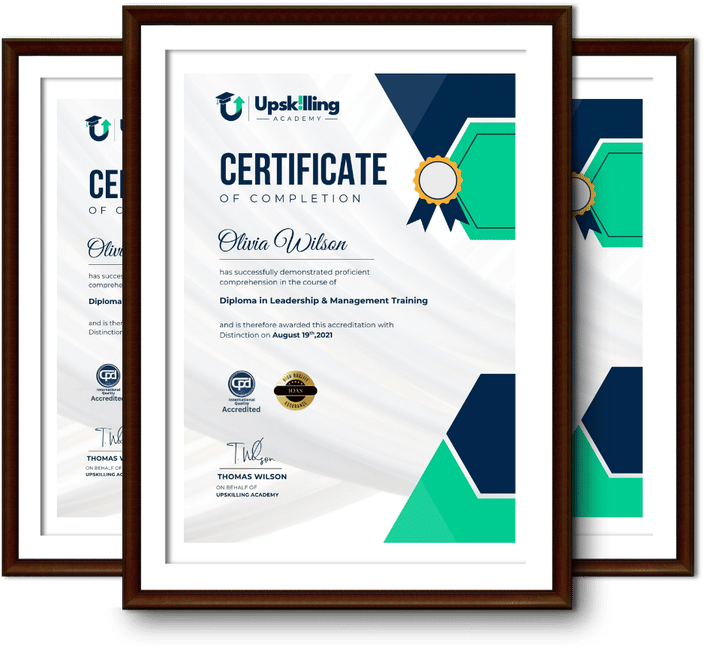
Framed Upskilling Academy certificates of completion

Course Reviews

Christine Ferguson

My experience with you was fantastic and easy to navigate. I'm looking forward to taking the course.

Jesse Harding

Provided highly informative and helpful responses, with quick and efficient replies.

Gary Schwartz

The course selection is broad, engaging, easy to follow, and offers a good challenge.

Bailey Burrows

Excellent course with user-friendly website navigation, making it easy to follow. I'm really enjoying the experience.

Benjamin Moreno

Great course with valuable information. Easy to follow, and I appreciated the flexibility to work at my own pace.

Quality Accreditation

  • incensu Registered Education Supplier
  • Association of Healthcare Trainers member
  • The CPD Group approved provider #790985
  • Disability Confident Committed

FAQ for Interior Design Level 3 Course

How do I access my course?

Once you complete your purchase, you’ll receive access to your course through your Upskilling Academy account. You can log in and access your learning materials online at any time.

How long do I have access to the course?

Your access period depends on the course and the package you purchase. Please check the course details or your order information for the applicable access period.

Can I study at my own pace?

Yes. Upskilling Academy courses are designed to provide flexible online learning, allowing you to study at a pace that suits your schedule.

Will I receive a certificate?

Certificate availability varies by course. Where a certificate is included, you’ll receive information about the requirements and how to obtain it within the course or upon completion.

Are the courses suitable for beginners?

Many courses are suitable for beginners, while others may assume some previous knowledge. Please review the individual course description for information about the recommended level and prerequisites.