Upskilling Academy
Trusted by 3 million learners 24/7 online training Money back guarantee Fully accredited courses
Horticulture Level 3 Course Thumbnail Lifetime Access
Sale

Horticulture Level 3 Course

Horticulture Overview Horticulture is more than just the study and practice of growing plants—it’s a vital science and…

Best Seller Limited Time Offer
Last Updated 18 Sep 2026 352 Enrolled English Flexible Schedule

Access to 1500+ Courses with free CPD Certificates for Only £99 Get Now

What you will learn

  • - Gain hands-on experience with plant cultivation techniques
  • - Learn to design and maintain beautiful, healthy gardens
  • - Understand plant biology, soil science, and pest management
  • - Develop skills for sustainable and environmentally friendly gardening
  • - Explore potential career paths in landscaping, greenhouse management, and plant research
  • - Improve problem-solving and critical thinking skills in real-world scenarios
  • - Enhance well-being through engaging with nature and outdoor activities

Description

Horticulture

Overview

Horticulture is more than just the study and practice of growing plants—it’s a vital science and art that nourishes people, supports communities, and sustains the environment. This comprehensive course in Horticulture covers the entire journey of plant life: from propagation and cultivation to harvest, management, and post-harvest processing. Students will explore a blend of theoretical knowledge and practical skills employed in the sustainable production of fruits, vegetables, ornamental plants, and landscape management.

Whether your ambitions are rooted in home gardening, commercial production, environmental stewardship, or botanical research, this course lays the essential foundation for a thriving, rewarding career in horticulture.

Description

This course is designed to provide a holistic understanding of the multifaceted discipline of horticulture. From the underlying biological principles that guide plant growth, to the advanced techniques used in modern greenhouses and nurseries, students will delve deep into the science, technology, and business aspects of horticultural production.

Key topics include:

  • Basic Botany: Understanding plant anatomy, physiology, genetics, and taxonomy.
  • Soil Science & Fertility: Exploring soil composition, amendments, fertilization, and pH management.
  • Plant Propagation: Techniques such as seed sowing, cuttings, grafting, layering, and tissue culture.
  • Pest and Disease Management: Identifying, preventing, and controlling common pests and plant diseases.
  • Environments for Growth: The role of greenhouses, hydroponics, vertical farms, and outdoor systems.
  • Horticultural Crop Production: Best practices for cultivating fruits, vegetables, herbs, ornamentals, and specialty crops.
  • Landscaping & Urban Greening: Principles of design, plant selection, and maintenance of private and public green spaces.
  • Sustainable Practices: Approaches to organic horticulture, integrated pest management (IPM), and climate-resilient farming.
  • Business and Marketing: Basics of horticultural enterprise management, marketing, and value chain analysis.

Hands-on laboratory work, field trips, and group projects further enrich the learning experience, ensuring students understand both the theory and practice of horticulture. Through regular assignments, discussions, and projects, students will gain the fundamental skills to identify plants, manage crops, and problem-solve real-world horticultural challenges.

Career Path

A background in horticulture opens doors to a broad spectrum of career opportunities. Graduates may find rewarding work in public, private, or non-profit sectors, as well as in entrepreneurship and research.

Potential career paths include:

  • Horticulturist: Work in commercial plant production, nurseries, or as a plant breeder developing new varieties.
  • Landscape Designer/Architect: Plan and implement public parks, private gardens, and urban green spaces.
  • Urban Farmer: Operate vertical farms, hydroponic systems, or community gardens in cities.
  • Greenhouse Manager: Oversee plant production in controlled environments, focusing on efficiency and crop quality.
  • Plant Health Specialist: Diagnose and treat plant diseases for public gardens, farms, and consultancies.
  • Garden Center Manager: Manage retail outlets specializing in plants, garden tools, and supplies.
  • Arborist or Urban Forester: Care for trees and shrubbery in cities, parks, and conservation areas.
  • Extension Agent or Educator: Work in outreach, teaching horticultural practices to communities and schools.
  • Research Scientist: Investigate plant biology, genetics, or sustainable production systems in universities or research centers.
  • Entrepreneur: Start a horticultural business, such as a specialty farm, nursery, landscape service, or consultancy.

This course serves as a solid stepping-stone to further studies in plant sciences, sustainable agriculture, or environmental management, making it ideal for lifelong learners and aspiring professionals alike.

Who Is This Course For?

This course welcomes a diverse range of students, from beginners passionate about plants to experienced practitioners seeking to expand their expertise.

  • Aspiring horticulturists, growers, or nursery managers seeking foundational knowledge and practical skills.
  • Home gardeners hoping to improve their yield, sustainability, and plant health.
  • Environmentalists and sustainability advocates interested in urban greening, pollinator gardens, or landscape restoration.
  • Entrepreneurs exploring botanical businesses, such as food production, landscaping, or plant retail.
  • Educators, extension agents, or community organizers aiming to teach others about horticulture and food systems.
  • Students preparing for advanced studies in agriculture, biology, environmental science, or related disciplines.
  • Anyone fascinated by the science, beauty, and benefits of cultivated plants who desires hands-on, applicable learning.

If you are curious about how plants grow, how to care for them, and how horticulture shapes our environments from food to floristry, this course will offer you answers and inspiration.

Requirements

No previous experience in horticulture or plant sciences is required—just curiosity, commitment, and a willingness to get your hands dirty. However, students will benefit most from the course if they:

  • Have basic science literacy, particularly in biology and chemistry.
  • Are prepared to participate in both classroom and hands-on activities, which may include outdoor work or visits to horticultural sites.
  • Can commit time to independent study and regular assignments, including practical projects and field observations.
  • Have access to a garden, greenhouse, or community plot for conducting some exercises (though alternative indoor assignments will be provided where necessary).
  • Possess open-mindedness and a collaborative spirit for working in groups and exchanging ideas.

Recommended (but not required): a notebook for field observations, access to basic gardening tools, and a camera or smartphone for documenting plant growth and experiments.

Upon completion, students will be equipped with the scientific understanding and practical know-how to pursue further education, entrepreneurship, or employment in a ramifying and essential field—where every seed planted is a step toward a greener, healthier world.

Course Curriculum

Course Content

Module 01 Introduction to Horticulture

  • Lesson 01 Introduction to Horticulture

Module 02 Plant reproduction

Module 03 Plant Growth

Module 04 Plant Propagation

Module 05 Plant development

Module 06 Plant Protection

Module 07 Soil Water

Module 08 Plant Nutrition

Who should take the course

  • - Home gardeners looking to improve their plant care skills
  • - Students interested in agriculture or plant sciences
  • - Professionals seeking to expand knowledge in horticulture
  • - Hobbyists who enjoy growing flowers, fruits, or vegetables
  • - Community members involved in local gardening projects
  • - Educators wanting to introduce horticulture basics in their curriculum
  • - Anyone curious about sustainable and eco-friendly gardening practices

Certificate for Success at Every Step

  • No expiry date. You can keep and use the certificate forever.
  • Recognised across various UK industries.
  • Increases your chances of employability.
  • Boosts your professional credibility.
  • Shows you're up to date with industry knowledge.
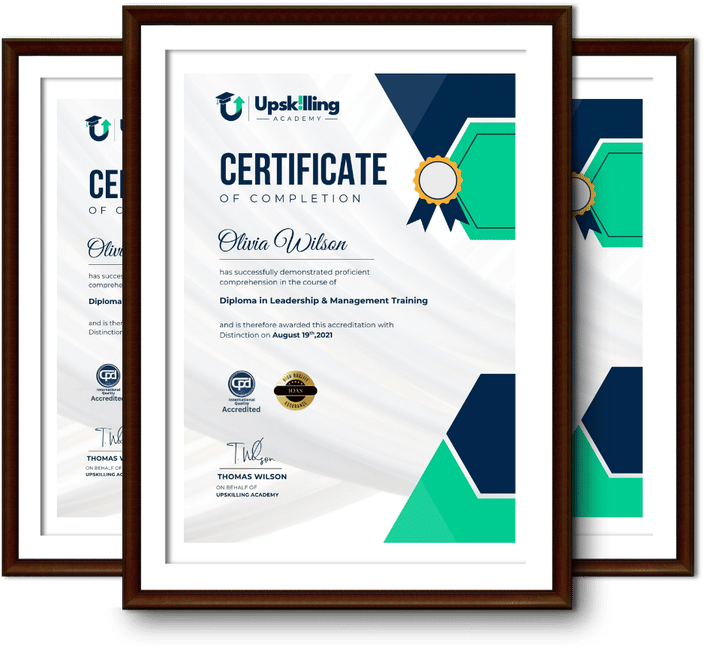
Framed Upskilling Academy certificates of completion

Course Reviews

Christine Ferguson

My experience with you was fantastic and easy to navigate. I'm looking forward to taking the course.

Jesse Harding

Provided highly informative and helpful responses, with quick and efficient replies.

Gary Schwartz

The course selection is broad, engaging, easy to follow, and offers a good challenge.

Bailey Burrows

Excellent course with user-friendly website navigation, making it easy to follow. I'm really enjoying the experience.

Benjamin Moreno

Great course with valuable information. Easy to follow, and I appreciated the flexibility to work at my own pace.

Quality Accreditation

  • incensu Registered Education Supplier
  • Association of Healthcare Trainers member
  • The CPD Group approved provider #790985
  • Disability Confident Committed

FAQ for Horticulture Level 3 Course

How do I access my course?

Once you complete your purchase, you’ll receive access to your course through your Upskilling Academy account. You can log in and access your learning materials online at any time.

How long do I have access to the course?

Your access period depends on the course and the package you purchase. Please check the course details or your order information for the applicable access period.

Can I study at my own pace?

Yes. Upskilling Academy courses are designed to provide flexible online learning, allowing you to study at a pace that suits your schedule.

Will I receive a certificate?

Certificate availability varies by course. Where a certificate is included, you’ll receive information about the requirements and how to obtain it within the course or upon completion.

Are the courses suitable for beginners?

Many courses are suitable for beginners, while others may assume some previous knowledge. Please review the individual course description for information about the recommended level and prerequisites.