Upskilling Academy
Trusted by 3 million learners 24/7 online training Money back guarantee Fully accredited courses
Forensic Nursing Level 3 Course Thumbnail Lifetime Access
Sale

Forensic Nursing Level 3 Course

Forensic Nursing Overview Forensic Nursing is an essential and rapidly growing discipline that bridges healthcare and the legal…

Best Seller Limited Time Offer
Last Updated 18 Sep 2026 352 Enrolled English Flexible Schedule

Access to 1500+ Courses with free CPD Certificates for Only £99 Get Now

What you will learn

  • - Gain specialized skills in the intersection of healthcare and law
  • - Learn how to collect and document forensic evidence professionally
  • - Enhance your ability to support victims of trauma and violence
  • - Improve career opportunities in legal, healthcare, and investigative fields
  • - Build confidence in providing expert testimony in court
  • - Understand legal and ethical responsibilities in forensic nursing practice
  • - Join a growing field making a positive impact on justice and patient care

Description

Forensic Nursing

Overview

Forensic Nursing is an essential and rapidly growing discipline that bridges healthcare and the legal system. This comprehensive course is designed to provide participants with the foundational knowledge and practical skills needed to operate at the intersection of nursing, law, and forensic science. Students will explore the multifaceted roles forensic nurses fulfill, from caring for victims of trauma and violence to gathering crucial evidence and providing expert testimony in court. Emphasizing both clinical competencies and legal acumen, this course prepares nurses and allied health professionals to make a meaningful difference in patient care and the pursuit of justice.

Description

This course delves deep into forensic nursing, exploring its history, scope, and vital contributions to public health and the law. Participants will learn to recognize and respond to injuries associated with violence, abuse, and neglect and to collect, preserve, and document evidence in ways that uphold ethical and legal standards. The curriculum integrates theory with real-world applications, delivered through lectures, case studies, simulated exercises, and interactive discussions led by experts in forensic medicine, law enforcement, and healthcare.

Key topics include:

  • Introduction to Forensic Nursing: Definitions, roles, and history of the field.
  • Legal and Ethical Issues: Confidentiality, consent, documentation, and chain of custody.
  • Assessment and Care: Approaches to physical, psychological, and emotional care for victims and perpetrators.
  • Injury Interpretation: Recognition and documentation of wounds, sexual assault, child abuse, elder maltreatment, and trauma patterns.
  • Evidence Management: Best practices for collecting, preserving, and submitting forensic evidence.
  • Collaboration with Law Enforcement: Interprofessional teamwork, communication, and advocacy.
  • Expert Witness Testimony: Preparing and delivering testimony in court.
  • Special Populations: Issues specific to pediatric, geriatric, and vulnerable groups.
  • Emerging Trends: New technology, tele-forensics, and evolving legal standards.

Assignments, quizzes, and practical exercises will reinforce critical concepts, empowering participants to make informed decisions and provide compassionate, evidence-informed care. Upon completion, students will be equipped to function competently in a variety of settings where forensic expertise is essential.

Career Path

With the growing recognition of the vital role forensic nurses play in society, numerous career pathways are available to graduates. Forensic nurses work in diverse environments, including hospitals, sexual assault centers, correctional facilities, psychiatric institutions, death investigation offices, and community organizations. Below are some common roles for trained forensic nurses:

  • Sexual Assault Nurse Examiner (SANE): Providing specialized care and forensic evidence collection for survivors of sexual violence.
  • Forensic Nurse Death Investigator: Assisting in the investigation of unexplained or suspicious deaths, often collaborating with medical examiners or coroners.
  • Legal Nurse Consultant: Advising legal teams on medical evidence, chart review, and standards of care in civil or criminal proceedings.
  • Correctional Nurse Specialist: Delivering care and forensic assessment within correctional facilities and detention centers.
  • Forensic Psychiatric Nurse: Assessing and treating individuals with psychiatric disorders within the criminal justice system.
  • Community Forensic Nurse: Advocating for and supporting individuals affected by violence, abuse, and trauma in the community.
  • Educator or Researcher: Teaching future forensic nurses and advancing evidence-based practice through research and innovation.

Forensic nursing credentialing, continuing education, and specialization can further expand opportunities for career advancement and leadership in clinical, legal, and policy-making roles.

Who Is This Course For?

This course is ideal for a range of individuals with an interest in healthcare, law, and social justice. It is particularly well-suited for:

  • Registered Nurses (RNs) seeking to specialize or transition into forensic nursing
  • Advanced Practice Nurses (NPs, CNSs) wanting forensic expertise
  • Healthcare professionals (physicians, paramedics, social workers) involved in trauma or violence care
  • Nursing students looking for an introduction to forensic practice
  • Legal professionals wishing to deepen their understanding of forensic medicine
  • Law enforcement or criminal justice personnel with a health focus
  • Anyone passionate about supporting victims, advocating for vulnerable populations, and promoting justice in healthcare

Requirements

To ensure participants are able to fully engage with and benefit from the course material, the following requirements are recommended:

  • Educational Background: A minimum of a diploma or degree in nursing or health sciences. Nursing licensure (active or in-progress) is preferred for practical application.
  • Foundational Knowledge: Basic understanding of human anatomy, physiology, and clinical assessment – prior experience in patient care or trauma care is beneficial.
  • Legal Awareness: Interest in legal and ethical aspects of healthcare. No prior legal training is required, but curiosity about the justice system is encouraged.
  • Technical Skills: Ability to use computers, participate in online learning, complete assignments, and engage in virtual simulations and forums.
  • Professionalism: Commitment to patient confidentiality, ethical conduct, and respectful communication.

Some modules may involve sensitive subject matter, including discussions of violence, trauma, and abuse. Support resources and a respectful environment will be provided throughout the course to ensure a safe and enriching learning experience for all.

Course Curriculum

Course Content

Module 1-Forensic Nursing

  • Lesson 1-Forensic Nursing

Module 2-Forensic Nursing

Module 3-Forensic Nursing

Module 4-Forensic Nursing

Module 5-Forensic Science

Module 6-Forensic Science

Module 7-Forensic Science

Module 8-Forensic Accounting

Who should take the course

  • - Registered nurses interested in forensic science
  • - Nursing students considering a forensic nursing career
  • - Healthcare professionals working in emergency or trauma settings
  • - Nurses seeking to work with victims of violence or abuse
  • - Legal and law enforcement personnel wanting healthcare insight
  • - Medical examiners and coroners seeking nursing collaboration
  • - Social workers interested in medical aspects of forensic cases

Certificate for Success at Every Step

  • No expiry date. You can keep and use the certificate forever.
  • Recognised across various UK industries.
  • Increases your chances of employability.
  • Boosts your professional credibility.
  • Shows you're up to date with industry knowledge.
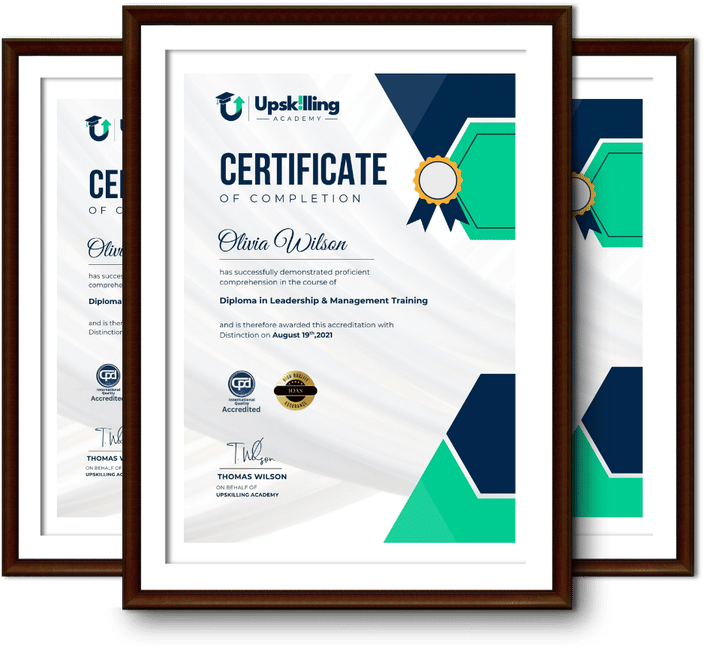
Framed Upskilling Academy certificates of completion

Course Reviews

Christine Ferguson

My experience with you was fantastic and easy to navigate. I'm looking forward to taking the course.

Jesse Harding

Provided highly informative and helpful responses, with quick and efficient replies.

Gary Schwartz

The course selection is broad, engaging, easy to follow, and offers a good challenge.

Bailey Burrows

Excellent course with user-friendly website navigation, making it easy to follow. I'm really enjoying the experience.

Benjamin Moreno

Great course with valuable information. Easy to follow, and I appreciated the flexibility to work at my own pace.

Quality Accreditation

  • incensu Registered Education Supplier
  • Association of Healthcare Trainers member
  • The CPD Group approved provider #790985
  • Disability Confident Committed

FAQ for Forensic Nursing Level 3 Course

How do I access my course?

Once you complete your purchase, you’ll receive access to your course through your Upskilling Academy account. You can log in and access your learning materials online at any time.

How long do I have access to the course?

Your access period depends on the course and the package you purchase. Please check the course details or your order information for the applicable access period.

Can I study at my own pace?

Yes. Upskilling Academy courses are designed to provide flexible online learning, allowing you to study at a pace that suits your schedule.

Will I receive a certificate?

Certificate availability varies by course. Where a certificate is included, you’ll receive information about the requirements and how to obtain it within the course or upon completion.

Are the courses suitable for beginners?

Many courses are suitable for beginners, while others may assume some previous knowledge. Please review the individual course description for information about the recommended level and prerequisites.