
Christine Ferguson
My experience with you was fantastic and easy to navigate. I'm looking forward to taking the course.
 Lifetime Access
Food Safety Overview Food safety is a critical discipline within the broader field of public health and hospitality,…
Access to 1500+ Courses with free CPD Certificates for Only £99 Get Now
Food safety is a critical discipline within the broader field of public health and hospitality, focusing on the methods and procedures used to keep food safe for consumption. The “Food Safety” course explores essential principles, industry regulations, and best practices needed to protect consumers from foodborne illnesses, contamination, and improper food handling. Designed to provide you with a robust foundation in both the theoretical and practical aspects of food safety, this course blends current scientific standards with real-world applications to prepare learners for a variety of roles in the food industry.
Whether you are an aspiring chef, an established restaurant manager, a food producer, or simply someone interested in safe food practices, this course equips you with the knowledge, skills, and confidence to create and sustain safe food environments. Across a carefully designed curriculum, you will engage with topics ranging from microbial hazards and cross-contamination prevention to legal regulations and crisis management in foodborne outbreak scenarios.
This comprehensive Food Safety course is structured to guide learners through the multifaceted considerations of producing, storing, preparing, and serving food with safety and hygiene at the forefront. Divided into well-organized modules, the course begins with foundational microbiology, helping students understand the mechanics of foodborne pathogens and conditions that encourage their growth.
The course moves on to explore practical applications, such as utensils and equipment sanitation, safe cooking temperatures, personnel hygiene, waste management, and allergen control. Learners are exposed to the latest techniques in Hazard Analysis and Critical Control Points (HACCP), risk assessment, and quality assurance protocols typical to food service establishments and production facilities.
Legal aspects are emphasized, covering national and international food safety laws, compliance requirements, labeling standards, and the roles and responsibilities of food handlers and businesses. Case studies of past foodborne illness outbreaks are analyzed to provide learners with an understanding of crisis management, recall procedures, and communication with public health authorities.
Key features of this course include:
By the end of the course, candidates will have the capability to design, implement, and evaluate food safety strategies suitable for a range of food-related enterprises.
A qualification in Food Safety opens doors to a multitude of career opportunities in diverse sectors. Completion of this course provides a competitive advantage in roles such as:
In addition, this course is an asset for entrepreneurs launching their own cafes, food trucks, or small food processing units, ensuring their products are safe for public consumption and ready to pass health inspections.
The Food Safety course is designed to cater to a wide range of learners, including but not limited to:
No matter your background, if you are involved in preparing, serving, storing, or managing food operations at any level, this course will enhance your ability to keep food safe and protect your community’s health.
This course is structured to accommodate learners from a variety of backgrounds and does not require prior expertise in food science or hospitality. However, to maximize your experience and success, we recommend the following:
Should you have any disabilities or require learning accommodations, please contact the course administrator to ensure appropriate support and accessibility.
Enroll today and take the essential steps to become a food safety expert—protecting not only your business but the health of the wider community!
My experience with you was fantastic and easy to navigate. I'm looking forward to taking the course.
Provided highly informative and helpful responses, with quick and efficient replies.
The course selection is broad, engaging, easy to follow, and offers a good challenge.
Excellent course with user-friendly website navigation, making it easy to follow. I'm really enjoying the experience.
Great course with valuable information. Easy to follow, and I appreciated the flexibility to work at my own pace.



Once you complete your purchase, you’ll receive access to your course through your Upskilling Academy account. You can log in and access your learning materials online at any time.
Your access period depends on the course and the package you purchase. Please check the course details or your order information for the applicable access period.
Yes. Upskilling Academy courses are designed to provide flexible online learning, allowing you to study at a pace that suits your schedule.
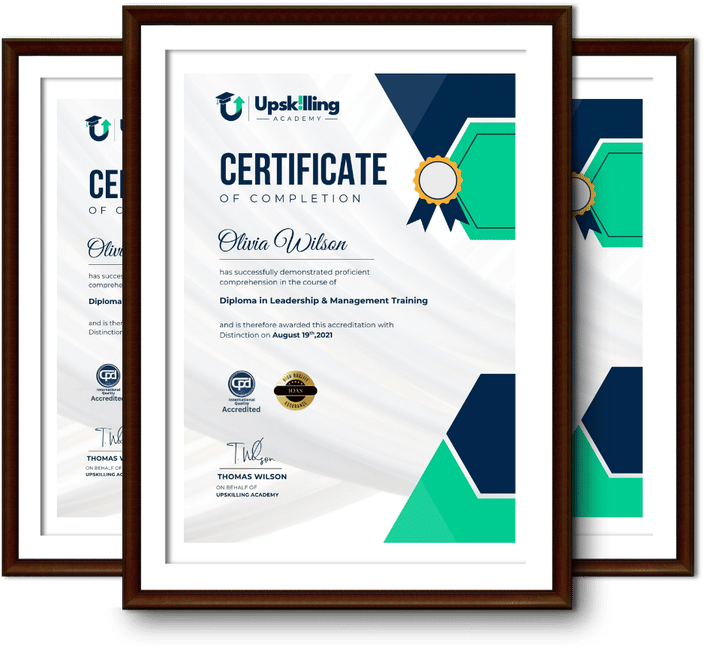
Certificate availability varies by course. Where a certificate is included, you’ll receive information about the requirements and how to obtain it within the course or upon completion.
Many courses are suitable for beginners, while others may assume some previous knowledge. Please review the individual course description for information about the recommended level and prerequisites.
 Lifetime Access
Food Safety Overview Food safety is a critical concern in today’s globalized world, where food supply chains span…
Access to 1500+ Courses with free CPD Certificates for Only £99 Get Now
Food safety is a critical concern in today’s globalized world, where food supply chains span continents and touch millions of lives each day. Ensuring that food is safe from biological, chemical, and physical hazards is essential for protecting consumer health and maintaining confidence in the marketplace. This comprehensive course on Food Safety offers an in-depth understanding of the principles, standards, and best practices required to ensure the safety and quality of food throughout its entire journey from farm to table.
Through interactive lessons, real-world case studies, and practical assignments, students will learn about the essential components of food safety, including foodborne pathogens, preventive controls, hazard analysis, risk assessment, food safety management systems, regulations, and outbreak investigations. Whether new to the field or seeking to update existing knowledge, this course lays a strong foundation for personal and professional growth in food-related industries.
This Food Safety course is designed to equip learners with all the necessary tools and knowledge to understand, implement, and monitor food safety practices at every level of the food supply chain. Structured in clear, progressive units, the course covers key topics such as microbial hazards, personal hygiene, cleaning and sanitation, allergen management, temperature control, and food legislation.
Students will begin by exploring the science of food contamination, learning how microorganisms such as bacteria, viruses, and parasites can pose health risks. Next, the focus shifts to the control mechanisms and critical control points throughout food processing, manufacturing, and preparation. Special attention is given to current global regulations, including FSMA (Food Safety Modernization Act), HACCP (Hazard Analysis Critical Control Point), ISO standards, and GFSI-recognized schemes.
The course blends theory with practical application. Learners will analyze real-life foodborne illness outbreaks, identify root causes, and develop strategies for prevention. Practical components include developing food safety plans, conducting audits, sampling, and risk communication. Extensive resources and guidance are provided to keep up-to-date with evolving food technologies, novel foods, and emerging issues such as food fraud, bioterrorism, and traceability.
By the end of the course, students will have developed a robust framework for approaching food safety challenges, enabling them to contribute to safer food systems and improved public health outcomes.
A strong grounding in food safety opens the door to a wide range of career possibilities in the public and private sectors. Graduates from this course can pursue professional roles in fields such as:
Additionally, the knowledge and skills obtained in this course are valuable for entrepreneurs in the food industry, import/export specialists, supply chain managers, and those involved in food policy or advocacy work. Food safety is a universal concern, and expertise in this field is highly sought after both locally and internationally.
This course is designed for a broad audience, catering to both beginners and those with some prior experience in the food sector. It is ideally suited for:
No matter your background or ambitions, if you have an interest in safeguarding public health and supporting world-class food quality standards, this course will provide you with the knowledge and confidence to succeed.
To enroll and thrive in the Food Safety course, participants should meet the following requirements:
No specialized knowledge or laboratory experience is required at the outset, making this course accessible to a wide range of learners. All scientific principles and regulatory frameworks are explained in clear and concise language.
Take the first step toward a healthier, safer future for yourself and your community. Enroll in our Food Safety course today and become a trusted guardian of the food supply!
My experience with you was fantastic and easy to navigate. I'm looking forward to taking the course.
Provided highly informative and helpful responses, with quick and efficient replies.
The course selection is broad, engaging, easy to follow, and offers a good challenge.
Excellent course with user-friendly website navigation, making it easy to follow. I'm really enjoying the experience.
Great course with valuable information. Easy to follow, and I appreciated the flexibility to work at my own pace.
Once you complete your purchase, you’ll receive access to your course through your Upskilling Academy account. You can log in and access your learning materials online at any time.
Your access period depends on the course and the package you purchase. Please check the course details or your order information for the applicable access period.
Yes. Upskilling Academy courses are designed to provide flexible online learning, allowing you to study at a pace that suits your schedule.
Certificate availability varies by course. Where a certificate is included, you’ll receive information about the requirements and how to obtain it within the course or upon completion.
Many courses are suitable for beginners, while others may assume some previous knowledge. Please review the individual course description for information about the recommended level and prerequisites.