Upskilling Academy
Trusted by 3 million learners 24/7 online training Money back guarantee Fully accredited courses
Level 3 Certificate in Criminal Psychology Thumbnail Lifetime Access
Sale

Level 3 Certificate in Criminal Psychology

Criminal Psychology Overview Criminal Psychology is an enthralling, interdisciplinary field that delves into the minds of offenders, the…

Best Seller Limited Time Offer
Last Updated 18 Sep 2026 352 Enrolled English Flexible Schedule

Access to 1500+ Courses with free CPD Certificates for Only £99 Get Now

What you will learn

  • - Gain a deeper understanding of criminal behavior and the psychological factors behind it
  • - Learn how to apply psychological theories to real-life criminal cases
  • - Develop critical thinking and analytical skills useful in law enforcement, legal professions, or counseling
  • - Improve your ability to assess and interact with offenders, victims, and witnesses
  • - Build a solid foundation for further studies or a career in criminal justice, forensic psychology, or criminology
  • - Enhance your knowledge of criminal profiling, risk assessment, and prevention strategies
  • - Understand the impact of mental disorders on criminal responsibility and legal processes

Description

Criminal Psychology

Overview

Criminal Psychology is an enthralling, interdisciplinary field that delves into the minds of offenders, the motivations behind criminal acts, and the psychological factors that influence criminal behavior. This comprehensive course is designed to introduce students to the key concepts, theories, and practical applications of psychology within the realm of criminology and the broader criminal justice system. By integrating scientific research, case studies, and real-world scenarios, students will gain an in-depth understanding of how psychological principles are applied to address, prevent, and manage criminal activities.

Leveraging current academic research and expert insights, this course covers essential topics such as the development of criminal behavior, psychological profiling, mental disorders, rehabilitation, and the role of psychology in investigations and courtrooms. Learners will acquire critical thinking and analytical skills, preparing them for further study or entry into a wide range of careers related to criminal justice and forensic psychology.

Description

The Criminal Psychology course offers a rigorous, dynamic exploration of how psychological theories and practices inform our understanding of crime and its perpetrators. Beginning with foundational principles of psychology, the course progressively explores the nuances of criminal behavior, the relationship between mental health and crime, and the diverse methods psychologists use to assess, profile, and treat offenders.

Throughout the modules, you will explore:

  • Historical Perspectives: Trace the evolution of criminal psychology, from early theories to modern-day integrative approaches, highlighting the contributions of key figures and landmark studies.
  • Understanding Criminal Behavior: Examine the social, economic, biological, and psychological influences driving individuals toward criminal acts. Topics include theories of aggression, antisocial personality disorder, and the link between upbringing and criminality.
  • Types of Crime and Offenders: Analyze various categories of crime (e.g., violent, sexual, property, white-collar) through psychological lenses, understanding the unique factors that distinguish different types of offenders, such as serial killers or juvenile delinquents.
  • Psychological Profiling: Learn about offender profiling techniques used by law enforcement, including behavior analysis, assessment of risk and dangerousness, and the development of criminal profiles based on psychological evidence.
  • Mental Disorders and Crime: Investigate the complex relationship between mental illness and criminal activity, covering topics such as psychopathy, schizophrenia, mood disorders, and substance abuse.
  • Intervention, Treatment, and Rehabilitation: Explore therapeutic approaches and the factors influencing rehabilitation versus recidivism, including case management, cognitive behavioral therapy, and policy implications.
  • The Role of Psychology in the Criminal Justice System: Delve into how criminal psychologists aid police investigations, testify in court as expert witnesses, and work with prosecutors and defense attorneys.
  • Emerging Issues: Address contemporary topics, such as cybercrime, terrorism, and the application of technology in profiling and investigation.

By the end of the course, you will have a robust, evidence-based understanding of criminal psychology and the sophisticated methods used to analyze, prevent, and address crime from a psychological perspective.

Career Path

A solid foundation in Criminal Psychology opens up a wide array of career opportunities in the expanding fields of psychology, criminal justice, and forensic science. Depending on your educational background and further specialization, graduates of this course may pursue roles such as:

  • Criminal Psychologist: Work with law enforcement or legal teams to understand offender behavior, assist in investigations, and recommend intervention strategies.
  • Forensic Psychologist: Conduct psychological assessments of suspects, offenders, or victims, and offer expert testimony in court.
  • Crime Analyst: Analyze trends and patterns in criminal activity to assist law enforcement agencies in prevention and investigation strategies.
  • Police Consultant: Provide psychological expertise and profiling services to aid in solving complex cases.
  • Probation or Parole Officer: Monitor and support offenders in the community, utilizing psychological principles to facilitate rehabilitation and reduce recidivism.
  • Counselor or Therapist: Specialize in working with offenders or victims of crime within prison settings, community programs, or private practice.
  • Researcher or Academic: Pursue advanced study or research into criminal behavior, policy development, or psychological assessment.

Additionally, the analytical, research, and interpersonal skills developed in this course are highly valuable for roles in social work, law enforcement, public policy, and related fields.

Who Is This Course For?

The Criminal Psychology course is ideally suited for:

  • Undergraduate students in psychology, criminology, social science, or related disciplines who wish to specialize in criminal behavior or forensic psychology.
  • Professionals in law enforcement, the legal system, social work, counseling, or corrections seeking to deepen their understanding of the psychological aspects of crime.
  • Prospective graduate students planning to pursue advanced degrees in clinical, forensic, or criminal psychology.
  • Individuals with a personal interest in criminal behavior, true crime, or the psychology behind why people commit crimes.
  • Career changers considering a shift into criminal justice, forensic services, or allied fields.

No prior experience in criminal justice is required, making this course accessible to those with varied backgrounds and interests.

Requirements

  • Educational Background: A high school diploma or equivalent is recommended. Some familiarity with basic psychology or social science concepts is helpful but not mandatory.
  • Language Proficiency: Ability to read and write fluently in English, as course materials, assessments, and discussions will be conducted in English.
  • Access to Technology: Reliable internet connection and a device (computer, laptop, or tablet) capable of accessing online learning platforms, digital resources, and video content.
  • Time Commitment: Willingness to dedicate approximately 6-8 hours per week to lectures, readings, assignments, and participation in discussions or group activities.
  • Interest and Engagement: Curiosity about human behavior and motivation, critical thinking skills, and an open-minded approach to complex and sometimes sensitive topics.

All course materials, readings, and resources will be provided. No textbooks are required, though advanced students may be encouraged to explore further reading lists and research articles.

Course Curriculum

Course Content

Module 01 Introduction to Criminology

  • Lesson 01 Introduction to Criminology

Module 02- Explanations for Criminal Behaviour

Module 03- Criminology _ personality theories

Module 04- Detection of Crime

Module 05- Mental health and crime

Module 06- Root Causes of Crime

Module 07- Characteristics of offenders and victims

Module 08- Criminal Justice

Who should take the course

  • - Students studying psychology or criminology
  • - Law enforcement professionals seeking deeper insights
  • - Aspiring criminal profilers and forensic experts
  • - Social workers interested in offender behavior
  • - Legal professionals wanting to understand criminal minds
  • - Counselors or therapists working with offenders
  • - General learners curious about criminal psychology

Certificate for Success at Every Step

  • No expiry date. You can keep and use the certificate forever.
  • Recognised across various UK industries.
  • Increases your chances of employability.
  • Boosts your professional credibility.
  • Shows you're up to date with industry knowledge.
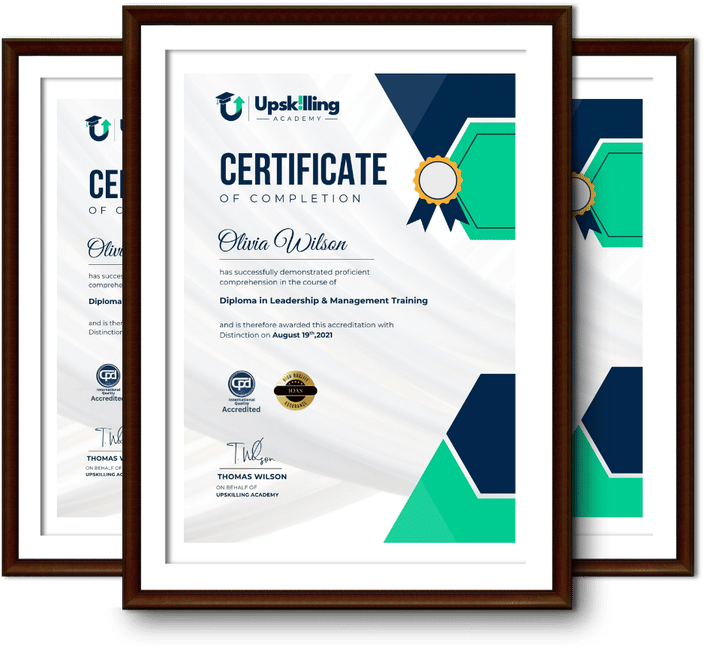
Framed Upskilling Academy certificates of completion

Course Reviews

Christine Ferguson

My experience with you was fantastic and easy to navigate. I'm looking forward to taking the course.

Jesse Harding

Provided highly informative and helpful responses, with quick and efficient replies.

Gary Schwartz

The course selection is broad, engaging, easy to follow, and offers a good challenge.

Bailey Burrows

Excellent course with user-friendly website navigation, making it easy to follow. I'm really enjoying the experience.

Benjamin Moreno

Great course with valuable information. Easy to follow, and I appreciated the flexibility to work at my own pace.

Quality Accreditation

  • incensu Registered Education Supplier
  • Association of Healthcare Trainers member
  • The CPD Group approved provider #790985
  • Disability Confident Committed

FAQ for Level 3 Certificate in Criminal Psychology

How do I access my course?

Once you complete your purchase, you’ll receive access to your course through your Upskilling Academy account. You can log in and access your learning materials online at any time.

How long do I have access to the course?

Your access period depends on the course and the package you purchase. Please check the course details or your order information for the applicable access period.

Can I study at my own pace?

Yes. Upskilling Academy courses are designed to provide flexible online learning, allowing you to study at a pace that suits your schedule.

Will I receive a certificate?

Certificate availability varies by course. Where a certificate is included, you’ll receive information about the requirements and how to obtain it within the course or upon completion.

Are the courses suitable for beginners?

Many courses are suitable for beginners, while others may assume some previous knowledge. Please review the individual course description for information about the recommended level and prerequisites.