Upskilling Academy
Trusted by 3 million learners 24/7 online training Money back guarantee Fully accredited courses
Level 3 Certificate in Counseling Thumbnail Lifetime Access
Sale

Level 3 Certificate in Counseling

Counseling Overview The field of counseling represents a vital pillar in the landscape of mental health, emotional well-being,…

Best Seller Limited Time Offer
Last Updated 17 Sep 2026 352 Enrolled English Flexible Schedule

Access to 1500+ Courses with free CPD Certificates for Only £99 Get Now

What you will learn

  • - Gain practical skills to effectively support individuals facing personal or emotional challenges
  • - Develop strong communication and active listening abilities
  • - Enhance your understanding of mental health and psychological well-being
  • - Build confidence in handling sensitive conversations and providing guidance
  • - Learn ethical practices and professional boundaries in counseling
  • - Strengthen your empathy and cultural competence when working with diverse populations
  • - Open pathways to careers in mental health, education, and related fields

Description

Counseling

Overview

The field of counseling represents a vital pillar in the landscape of mental health, emotional well-being, and personal growth. This course, titled Counseling, is designed to provide a comprehensive introduction and foundational knowledge to those seeking careers in counseling or simply aiming to develop their interpersonal communication and empathy skills. Guided by evidence-based theories and practical applications, the course covers a range of essential topics, from counseling ethics to therapeutic techniques and crisis intervention. By the end of this course, students will be equipped with a broad understanding of what it means to be an effective counselor, and how to foster a supportive environment for growth and healing.

Description

This Counseling course delivers a holistic and rigorous exploration of the counseling profession. It begins with a historical overview, highlights major counseling theories, and discusses the evolution of counseling as a discipline within psychology and related fields. The curriculum combines lectures, case studies, role-plays, and critical discussions, facilitating both cognitive and experiential learning.

Students will delve into the ethical and legal frameworks that govern professional counseling, learning how to navigate complex scenarios with integrity and professionalism. Various counseling models will be dissected, including but not limited to client-centered, cognitive-behavioral, psychodynamic, solution-focused, and multicultural approaches. Special emphasis is placed on understanding diversity, cultural competence, and inclusion in practice.

Practical applications form a cornerstone of the course. Students will gain hands-on experience in conducting basic counseling sessions, practicing core skills such as active listening, empathy, questioning, and rapport-building. The course also addresses crisis intervention techniques and explores strategies for working with clients facing a broad range of challenges, from stress and grief to trauma and substance abuse. Throughout the curriculum, self-awareness and reflective practice are encouraged, helping students appreciate the impact of their personal values and beliefs on the counseling process.

Additionally, the course looks at the broader context in which counselors operate, such as schools, clinics, private practice, and community organizations. The future of counseling—including the growing use of technology and telehealth—is also considered, ensuring graduates are prepared for the evolving demands of the field.

Career Path

A foundation in counseling opens the door to a variety of rewarding and impactful career opportunities across multiple sectors. Some of the potential career paths and roles include:

  • School Counselor: Supporting students’ academic, emotional, and social development in educational settings.
  • Mental Health Counselor: Providing professional support to individuals and groups dealing with emotional or mental health issues in clinical or community contexts.
  • Rehabilitation Counselor: Assisting people with physical, emotional, or developmental challenges in achieving personal and vocational goals.
  • Addiction Counselor: Guiding individuals through recovery from substance use disorders.
  • Career Counselor: Helping clients navigate life transitions, career development, and job search strategies.
  • Mental Health Advocate: Working in non-profits or governmental agencies to promote awareness and policies for mental health and well-being.
  • Human Resources Specialist: Utilizing counseling skills for workplace mediation, employee support, and organizational development.
  • Community Support Worker: Assisting vulnerable populations such as refugees, the homeless, or people with disabilities in community settings.

With further study and practical experience, graduates may go on to become licensed counselors, therapists, supervisors, educators, and researchers within the mental health field.

Who Is This Course For?

This course is suitable for a wide array of participants. It has been specially curated for:

  • Individuals seeking to pursue a professional career in counseling or related mental health services.
  • Current professionals in education, healthcare, social work, or human resources who wish to supplement their skillset with evidence-based counseling techniques.
  • Volunteers and community leaders eager to better support those in crisis or need within their networks.
  • Students of psychology, sociology, or social sciences who want to gain practical, hands-on counseling insights.
  • Anyone interested in understanding human behavior, enhancing their communication skills, or supporting others through life’s challenges—even outside of a formal counseling context.

No previous background in psychology or counseling is necessary, making this course accessible to both beginners and those with some experience in helping professions.

Requirements

To ensure a successful and enriching learning experience, students are expected to meet the following requirements:

  • Educational Background: A high school diploma or equivalent is recommended. While not mandatory, prior coursework in psychology, sociology, or related fields can be helpful.
  • Technical Requirements: Reliable access to the internet and a computer for online modules, readings, and virtual role-plays. Some in-person exercises may be required, depending on course format.
  • Reading and Writing Skills: Proficiency in English (or the language of instruction) to engage with reading materials, submit assignments, and participate in discussions.
  • Time Commitment: Willingness to dedicate several hours per week for lectures, readings, reflections, practical exercises, and assessments.
  • Confidentiality and Professionalism: Openness to working with peers, sharing and receiving feedback, and commitment to upholding ethical principles—including confidentiality and respect in discussions and role-plays.
  • Self-Awareness and Reflective Disposition: Readiness to engage in self-exploration and to reflect thoughtfully on personal attitudes, biases, and beliefs as they pertain to counseling practice.

Upon completion, participants will not only acquire foundational counseling skills but also benefit from a deeper understanding of human relationships and personal growth. This course serves as an essential starting point for those considering further study, professional certification, or careers in counseling and support services.

Course Curriculum

Course Content

Module 1_ Introduction to Counseling

  • Lesson 1_ Introduction to Counseling

Module 2_ Building Rapport and Communication Skills

Module 3_ Counseling Approaches and Techniques

Module 4_ Understanding Psychological Development

Module 5_ Crisis Intervention and Trauma

Module 6_ Cultural Competence in Counseling

Module 7_ Group Counseling and Family Dynamics

Who should take the course

  • - College students studying psychology or related fields
  • - People interested in becoming professional counselors
  • - Teachers and educators looking to support students
  • - Social workers and community helpers
  • - Anyone seeking to improve their listening and communication skills
  • - Individuals interested in understanding themselves and others better
  • - Career changers exploring the counseling profession

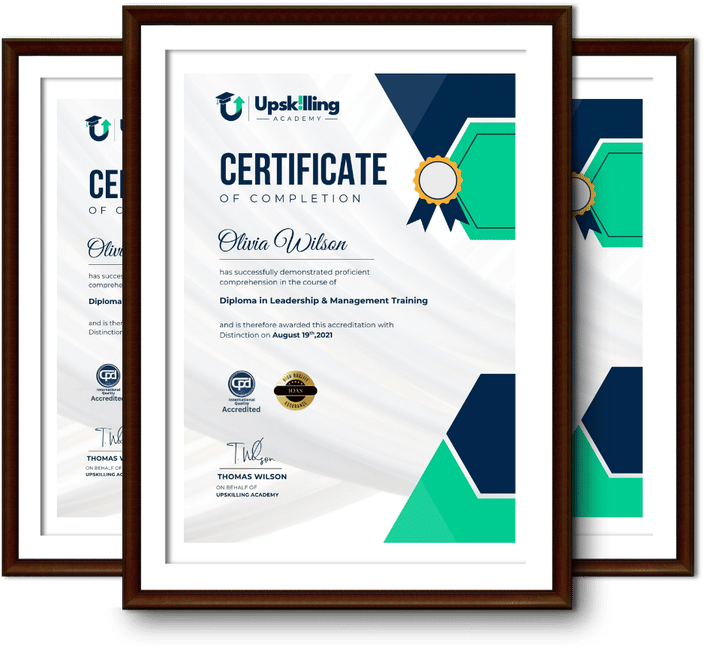
Certificate for Success at Every Step

  • No expiry date. You can keep and use the certificate forever.
  • Recognised across various UK industries.
  • Increases your chances of employability.
  • Boosts your professional credibility.
  • Shows you're up to date with industry knowledge.
Framed Upskilling Academy certificates of completion

Course Reviews

Christine Ferguson

My experience with you was fantastic and easy to navigate. I'm looking forward to taking the course.

Jesse Harding

Provided highly informative and helpful responses, with quick and efficient replies.

Gary Schwartz

The course selection is broad, engaging, easy to follow, and offers a good challenge.

Bailey Burrows

Excellent course with user-friendly website navigation, making it easy to follow. I'm really enjoying the experience.

Benjamin Moreno

Great course with valuable information. Easy to follow, and I appreciated the flexibility to work at my own pace.

Quality Accreditation

  • incensu Registered Education Supplier
  • Association of Healthcare Trainers member
  • The CPD Group approved provider #790985
  • Disability Confident Committed

FAQ for Level 3 Certificate in Counseling

How do I access my course?

Once you complete your purchase, you’ll receive access to your course through your Upskilling Academy account. You can log in and access your learning materials online at any time.

How long do I have access to the course?

Your access period depends on the course and the package you purchase. Please check the course details or your order information for the applicable access period.

Can I study at my own pace?

Yes. Upskilling Academy courses are designed to provide flexible online learning, allowing you to study at a pace that suits your schedule.

Will I receive a certificate?

Certificate availability varies by course. Where a certificate is included, you’ll receive information about the requirements and how to obtain it within the course or upon completion.

Are the courses suitable for beginners?

Many courses are suitable for beginners, while others may assume some previous knowledge. Please review the individual course description for information about the recommended level and prerequisites.