Upskilling Academy
Trusted by 3 million learners 24/7 online training Money back guarantee Fully accredited courses
Level 3 Cognitive Behavioural Therapy Thumbnail Lifetime Access
Sale

Level 3 Cognitive Behavioural Therapy

Cognitive Behavioural Therapy Overview Cognitive Behavioural Therapy (CBT) is a widely recognized and effective form of psychological treatment…

Best Seller Limited Time Offer
Last Updated 17 Sep 2026 352 Enrolled English Flexible Schedule

Access to 1500+ Courses with free CPD Certificates for Only £99 Get Now

What you will learn

  • - Learn practical tools to manage stress, anxiety, and negative thinking
  • - Improve problem-solving and coping skills for daily life challenges
  • - Gain insight into how thoughts, feelings, and behaviors are connected
  • - Enhance emotional well-being and build confidence
  • - Develop strategies for overcoming unhelpful habits and patterns
  • - Strengthen communication and interpersonal relationships
  • - Build a toolkit for long-term mental health maintenance

Description

Cognitive Behavioural Therapy

Overview

Cognitive Behavioural Therapy (CBT) is a widely recognized and effective form of psychological treatment designed to help individuals understand and address patterns of thinking or behaviour that contribute to emotional distress and dysfunction. This comprehensive course offers an in-depth exploration of CBT’s foundational theories, practical techniques, and real-world applications. Whether you are seeking to enrich your professional expertise or enhance your personal development, this course provides the essential tools and knowledge to effectively apply CBT principles in diverse settings.

Description

This course delves into the core principles and procedures of Cognitive Behavioural Therapy, offering both a theoretical framework and practical skills for implementation. Beginning with the history and development of CBT, students will explore the fundamental concepts underpinning this approach, including the interaction between thoughts, feelings, and behaviours. The curriculum is structured to provide a step-by-step guide, from assessment and formulation to intervention planning, delivery, and evaluation.

Key topics encompass cognitive restructuring, behavioural activation, exposure techniques, and the use of homework assignments. Throughout the course, real-life case studies and interactive scenarios will illustrate the efficacy of CBT in addressing a broad spectrum of disorders such as depression, anxiety, phobias, and obsessive-compulsive disorder (OCD). Special focus will be given to the collaborative nature of CBT, goal-setting, relapse prevention, and adapting techniques to individual cultural and developmental needs.

Participants will gain hands-on experience through practice exercises, reflective activities, and peer discussions. Supportive resources such as sample therapy worksheets, structured templates, and demonstration videos are provided to enhance learning and skill acquisition. By the end of the course, learners will possess a solid foundation in designing and delivering CBT interventions with confidence, whether in therapeutic, coaching, or educational environments.

Career Path

Knowledge and proficiency in Cognitive Behavioural Therapy are highly valued across various fields related to mental health, personal development, and education. Completing this course opens up diverse career and professional development opportunities, including but not limited to:

  • Psychotherapist or Counsellor: Apply CBT methods in private practice, clinics, or mental health organizations to support clients facing emotional or behavioural challenges.
  • Clinical Psychologist: Integrate CBT with other psychological approaches in specialized treatment plans for patients suffering from a range of mental health disorders.
  • Social Worker: Use CBT principles to assist individuals and families in overcoming obstacles, improving coping skills, and navigating social services systems.
  • School Counsellor or Teacher: Employ cognitive and behavioural strategies to foster resilience, emotional regulation, and problem-solving skills among students.
  • Life Coach or Wellness Practitioner: Incorporate CBT-based tools to support clients in achieving personal goals, modifying limiting beliefs, and sustaining motivation.
  • Healthcare Professional: Enhance the holistic care of patients by addressing psychological components affecting physical health and treatment adherence.

Additionally, for those already established in related sectors, this course can serve as a stepping stone toward advanced training, accreditation, or leadership roles in mental health services.

Who Is This Course For?

This course is tailored for a broad audience, encompassing both professionals and individuals with a keen interest in psychological wellbeing and behavioural science. Typical participants include:

  • Mental health professionals seeking to deepen or refresh their understanding of CBT techniques and applications.
  • Graduate and postgraduate psychology students preparing for clinical placements or exploring career options in therapy and counselling.
  • Teachers, guidance counsellors, and education professionals aiming to support student wellbeing and classroom management through evidence-based practices.
  • Social workers, healthcare providers, and allied professionals, such as nurses or occupational therapists, seeking to integrate CBT methods into their client care strategies.
  • Coaches, wellness consultants, and personal development practitioners interested in effective tools for motivation, habit change, and emotional resilience.
  • Self-learners and individuals wishing to gain insight into their own thought and behaviour patterns and how to influence positive change.

Prior experience in psychology or mental health is helpful but not mandatory. The course is designed to accommodate learners from various backgrounds, gradually building from basic principles to advanced applications.

Requirements

  • No formal prerequisites are required; the course is open to all interested learners.
  • A genuine interest in psychological health and behaviour change is highly recommended.
  • Proficiency in English is necessary to engage with course materials, assessments, and group discussions.
  • Access to a computer or mobile device with a stable internet connection in order to participate in online lectures, access resources, and submit assignments.
  • Willingness to engage in self-reflection, practice activities, and interactive exercises, including discussing hypothetical scenarios or peer feedback in a respectful and confidential manner.
  • For professionals seeking certification or continuing education credits, additional requirements (such as supervised practice or final assessments) may apply. Refer to specific accreditation guidelines for more information.

All required reading materials, templates, and supplementary resources will be provided within the course platform. Optional recommended texts will be listed for those seeking to deepen their understanding beyond the core curriculum.

Course Curriculum

Course Content

Module 1_ The Basics of CBT.

  • Lesson 1_ The Basics of CBT.

Module 2_ Managing Emotions and Effective Communication.

Module 3_ Exploring Core Beliefs and Preventing Relapse.

Module 4_ Self-Esteem and Anxiety.

Module 5_ Overcoming Depression and Integrating CBT.

Module 6_ Conclusion and Looking Ahead.

Who should take the course

  • - Individuals experiencing anxiety, depression, or stress
  • - People interested in learning self-help techniques for mental health
  • - Beginners seeking an introduction to Cognitive Behavioural Therapy (CBT)
  • - Students and professionals in psychology or counseling
  • - Caregivers looking to support loved ones with emotional challenges
  • - Educators or social workers interested in mental health tools
  • - Anyone wanting practical strategies to manage negative thoughts and behaviors

Certificate for Success at Every Step

  • No expiry date. You can keep and use the certificate forever.
  • Recognised across various UK industries.
  • Increases your chances of employability.
  • Boosts your professional credibility.
  • Shows you're up to date with industry knowledge.
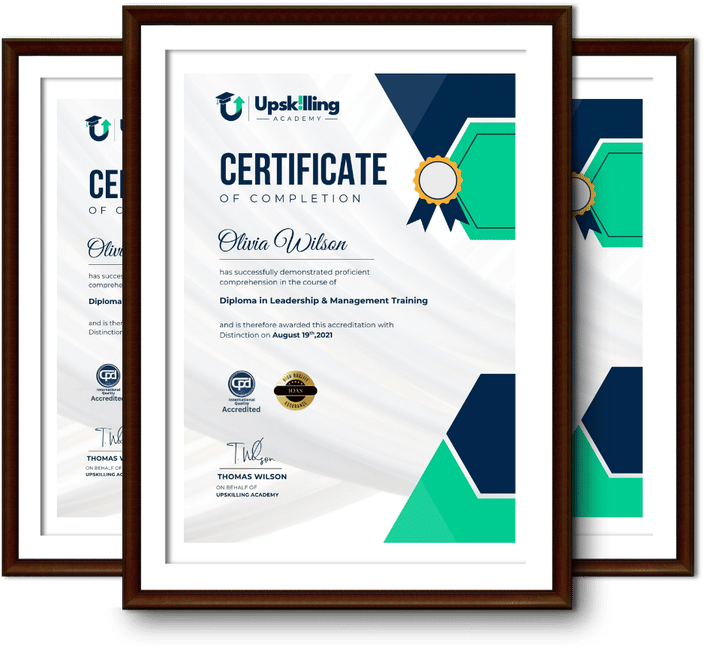
Framed Upskilling Academy certificates of completion

Course Reviews

Christine Ferguson

My experience with you was fantastic and easy to navigate. I'm looking forward to taking the course.

Jesse Harding

Provided highly informative and helpful responses, with quick and efficient replies.

Gary Schwartz

The course selection is broad, engaging, easy to follow, and offers a good challenge.

Bailey Burrows

Excellent course with user-friendly website navigation, making it easy to follow. I'm really enjoying the experience.

Benjamin Moreno

Great course with valuable information. Easy to follow, and I appreciated the flexibility to work at my own pace.

Quality Accreditation

  • incensu Registered Education Supplier
  • Association of Healthcare Trainers member
  • The CPD Group approved provider #790985
  • Disability Confident Committed

FAQ for Level 3 Cognitive Behavioural Therapy

How do I access my course?

Once you complete your purchase, you’ll receive access to your course through your Upskilling Academy account. You can log in and access your learning materials online at any time.

How long do I have access to the course?

Your access period depends on the course and the package you purchase. Please check the course details or your order information for the applicable access period.

Can I study at my own pace?

Yes. Upskilling Academy courses are designed to provide flexible online learning, allowing you to study at a pace that suits your schedule.

Will I receive a certificate?

Certificate availability varies by course. Where a certificate is included, you’ll receive information about the requirements and how to obtain it within the course or upon completion.

Are the courses suitable for beginners?

Many courses are suitable for beginners, while others may assume some previous knowledge. Please review the individual course description for information about the recommended level and prerequisites.