Upskilling Academy
Trusted by 3 million learners 24/7 online training Money back guarantee Fully accredited courses
Level 3 Certificate in Child Counselling Thumbnail Lifetime Access
Sale

Level 3 Certificate in Child Counselling

Child Counselling Overview The emotional and psychological well-being of children is of paramount importance in shaping a healthy,…

Best Seller Limited Time Offer
Last Updated 18 Sep 2026 352 Enrolled English Flexible Schedule

Access to 1500+ Courses with free CPD Certificates for Only £99 Get Now

What you will learn

  • - Gain practical skills to support children's emotional and psychological well-being
  • - Learn effective counselling techniques tailored specifically for children
  • - Enhance your ability to identify and address common childhood issues such as anxiety, trauma, and behavioural challenges
  • - Improve communication strategies to build trust and rapport with young clients
  • - Prepare for professional roles in schools, therapy centres, and community organisations
  • - Receive guidance from experienced child counsellors and access up-to-date resources
  • - Boost your career prospects with a recognised certificate in child counselling

Description

Child Counselling

Overview

The emotional and psychological well-being of children is of paramount importance in shaping a healthy, balanced society. Recognizing and addressing their unique needs is both an art and a science. The Child Counselling course is meticulously designed to provide learners with a comprehensive foundation in the principles, methods, and skills necessary to support children through life’s challenges. With an emphasis on empathy, ethics, and evidence-based strategies, this course paves the way for both beginners and professionals to make a meaningful difference in children’s lives.

Description

Child counselling is a specialized field within psychotherapy that focuses on the unique developmental, emotional, and behavioral challenges faced by children and adolescents. This course provides a thorough exploration of child psychology, counseling theories, intervention techniques, and practical case studies, emphasizing real-world applications and cultural sensitivity.

Through a blend of lecture content, interactive activities, group discussions, and reflective exercises, learners will delve into the following key topics:

  • Understanding Child Development: Covering physical, emotional, cognitive, and social milestones.
  • Theories and Approaches: Examining counseling models such as Cognitive Behavioral Therapy (CBT), Play Therapy, Family Systems Theory, and Attachment Theory.
  • Communication Skills: Techniques to build rapport, foster trust, and encourage expression in a safe environment.
  • Assessment and Diagnosis: Identifying developmental disorders, behavioral issues, and emotional disturbances.
  • Intervention Planning: Crafting tailored strategies for diverse settings, including schools, homes, and clinical environments.
  • Working with Families: Educating and involving caregivers, multidisciplinary collaborations, and managing sensitive family dynamics.
  • Ethics and Professional Boundaries: Upholding confidentiality, respecting cultural diversity, and navigating legal frameworks.
  • Supporting Special Populations: Focusing on trauma, grief, loss, bullying, neurodiversity, and children with special needs.

Assessment throughout the course includes scenario-based assignments, reflective journals, and a capstone project where students develop a comprehensive child counseling case plan. Additional materials and supplementary resources are provided to deepen understanding and encourage lifelong learning.

Career Path

Completion of the Child Counselling course opens doors to a wide range of professional opportunities. The practical skills and theoretical grounding prepare graduates for diverse roles, including:

  • Child Counsellor: Work in schools, private practices, or counseling centers providing support to children facing emotional and behavioral challenges.
  • School Counsellor: Collaborate within educational settings to foster student well-being and academic success.
  • Therapist or Psychotherapist: Specialize in child and adolescent mental health within clinical practices or hospitals.
  • Social Worker: Advocate for children and families within community organizations, offering direct intervention and support.
  • Family Support Worker: Provide holistic care plans and educational workshops for families in crisis or transition.
  • Child Advocacy Specialist: Work alongside legal and governmental agencies supporting the rights and needs of children.
  • Youth Mentor or Program Coordinator: Design and lead after-school or community-based programs promoting resilience and self-esteem in young people.

In addition, this course provides an excellent foundation for those considering further specialization or postgraduate study in child psychology, counseling, education, or social work.

Who Is This Course For?

The Child Counselling course is suitable for a broad audience, regardless of prior experience. It is designed to be accessible and engaging for:

  • Aspiring Counsellors or Therapists: Individuals seeking to launch a career in mental health with a focus on children or adolescents.
  • Teachers and Educators: Professionals who wish to better support students’ emotional and behavioral needs within the classroom environment.
  • Social Workers and Youth Workers: Those who regularly engage with children and families and want to enhance their counseling skills.
  • Parents and Caregivers: Individuals eager to understand the psychological development of their children or provide additional support during challenging times.
  • Healthcare Professionals: Nurses, pediatricians, or community health workers wishing to complement their practice with child counseling competencies.
  • Anyone Interested in Child Well-being: Volunteers, mentors, and community advocates passionate about the mental health and well-being of young people.

No prior qualifications in psychology or counseling are required, making this course a welcoming entry point for all who are motivated to make a positive impact in the lives of children.

Requirements

  • Educational Background: While there are no strict prerequisites, a high school diploma or equivalent is recommended. An interest in working with children or in the mental health field is highly encouraged.
  • Technology: Access to a computer or tablet with internet connectivity is required for participation in online modules, accessing resources, and submitting assignments.
  • Communication Skills: Basic verbal and written communication skills are necessary to engage in discussions, reflective writing, and client interaction simulations.
  • Commitment: Participants should be willing to dedicate time and attention to coursework, self-reflection, and practice skill development through scenarios and case studies.
  • Ethical Responsibility: A commitment to maintaining confidentiality, respecting diversity, and upholding ethical standards throughout the learning process is essential.

With these requirements, learners will be well-equipped to embark on a transformative journey, equipped with the competence and compassion needed to support, guide, and inspire the next generation.

Course Curriculum

Course Content

Module 1_ Introduction to Child Counselling

  • Lesson 1_ Introduction to Child Counselling

Module 2_ Understanding Play Therapy

Module 3_ Understanding Child Behaviour and Emotions

Module 4_ Trauma and its Effects on Children

Module 5_ Communication Skills in Child Counselling

Who should take the course

  • - Teachers and school staff interested in supporting students' mental health
  • - Parents and caregivers seeking to understand and help their children
  • - Social workers working with children and families
  • - Psychology and counseling students wanting specialization in child counselling
  • - Professionals in child care or early childhood education
  • - Community volunteers working with children
  • - Individuals aiming to start a career in child counselling

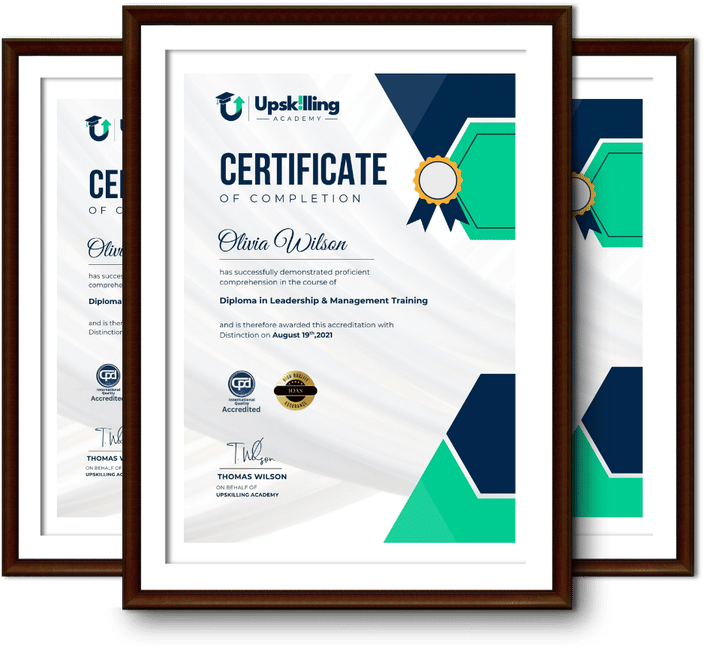
Certificate for Success at Every Step

  • No expiry date. You can keep and use the certificate forever.
  • Recognised across various UK industries.
  • Increases your chances of employability.
  • Boosts your professional credibility.
  • Shows you're up to date with industry knowledge.
Framed Upskilling Academy certificates of completion

Course Reviews

Christine Ferguson

My experience with you was fantastic and easy to navigate. I'm looking forward to taking the course.
Jesse Harding

Provided highly informative and helpful responses, with quick and efficient replies.

Gary Schwartz

The course selection is broad, engaging, easy to follow, and offers a good challenge.

Bailey Burrows

Excellent course with user-friendly website navigation, making it easy to follow. I'm really enjoying the experience.

Benjamin Moreno

Great course with valuable information. Easy to follow, and I appreciated the flexibility to work at my own pace.

Quality Accreditation

  • incensu Registered Education Supplier
  • Association of Healthcare Trainers member
  • The CPD Group approved provider #790985
  • Disability Confident Committed

FAQ for Level 3 Certificate in Child Counselling

How do I access my course?

Once you complete your purchase, you’ll receive access to your course through your Upskilling Academy account. You can log in and access your learning materials online at any time.

How long do I have access to the course?

Your access period depends on the course and the package you purchase. Please check the course details or your order information for the applicable access period.

Can I study at my own pace?

Yes. Upskilling Academy courses are designed to provide flexible online learning, allowing you to study at a pace that suits your schedule.

Will I receive a certificate?

Certificate availability varies by course. Where a certificate is included, you’ll receive information about the requirements and how to obtain it within the course or upon completion.

Are the courses suitable for beginners?

Many courses are suitable for beginners, while others may assume some previous knowledge. Please review the individual course description for information about the recommended level and prerequisites.