
Upskilling Academy
Trusted by 3 million learners 24/7 online training Money back guarantee Fully accredited courses
Level 3 Certificate in CCTV Operations Thumbnail Lifetime Access
Sale

Level 3 Certificate in CCTV Operations

CCTV Operations Overview Closed-Circuit Television (CCTV) systems have become an integral part of modern security solutions, ensuring the…

Best Seller Limited Time Offer
Last Updated 19 Oct 2026 352 Enrolled English Flexible Schedule

Access to 1500+ Courses with free CPD Certificates for Only £59 Get Now

What you will learn

  • Enhance your skills in monitoring and managing security systems effectively
  • Increase your employability with industry-recognized CCTV expertise
  • Learn to identify and respond to security threats in real-time
  • Gain hands-on experience with modern CCTV equipment and software
  • Understand legal and ethical guidelines related to surveillance
  • Improve incident reporting and evidence management abilities
  • Boost your confidence in maintaining safety in public and private environments

Description

CCTV Operations

Overview

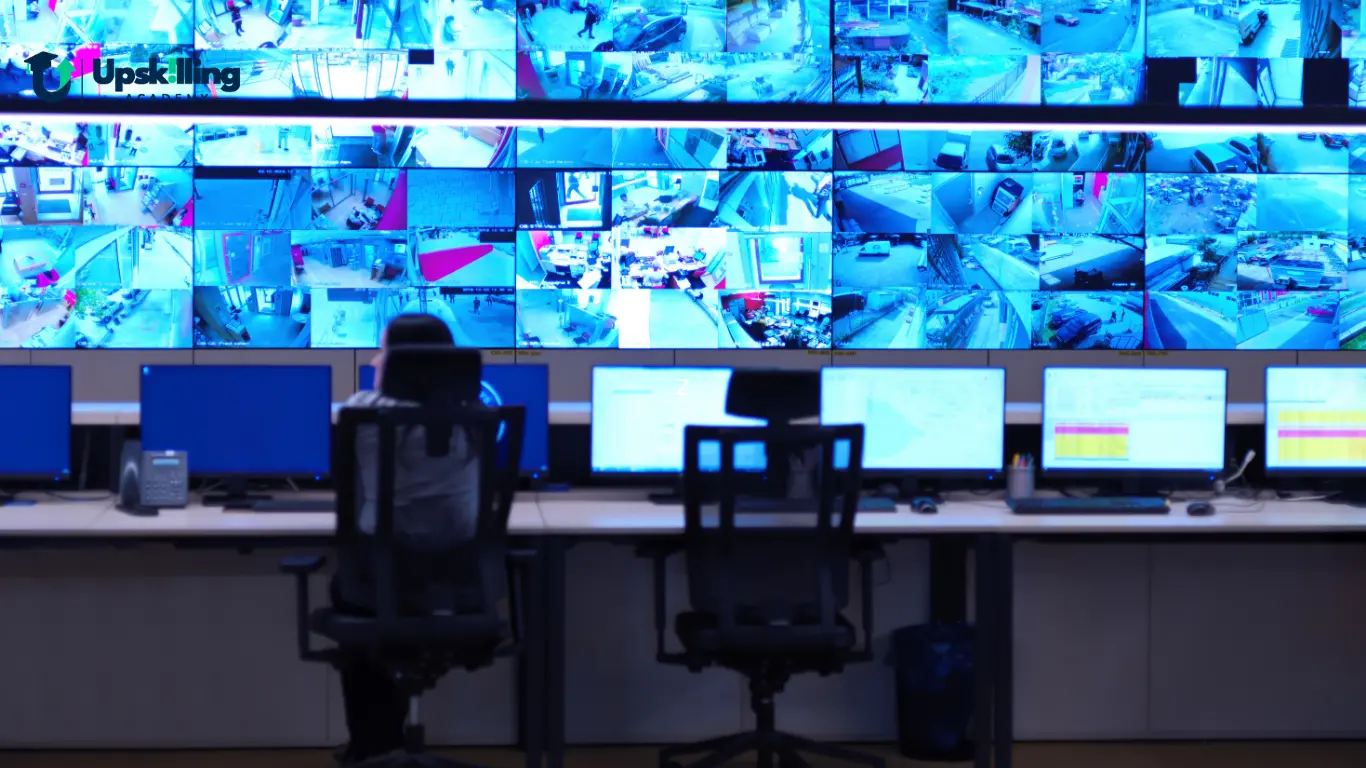
Closed-Circuit Television (CCTV) systems have become an integral part of modern security solutions, ensuring the safety and protection of assets, infrastructure, and individuals. As the need for effective surveillance and monitoring grows across both public and private sectors, trained CCTV operators are increasingly in demand. The CCTV Operations course is designed to equip learners with both theoretical knowledge and practical skills necessary to efficiently operate, monitor, and manage CCTV systems in a variety of settings.

Whether you are considering a career in security, seeking to enhance your skills for a current position, or want to understand how surveillance technology impacts workplaces and communities, this comprehensive course provides a solid foundation in CCTV operations, ethics, and legal considerations.

Description

This course delivers an in-depth exploration of the core aspects of CCTV operations, blending the principles of surveillance technology with best practices in operational procedures. The curriculum is structured to offer foundational knowledge, hands-on practice, and an understanding of the evolving legal landscape governing surveillance activities.

Throughout the duration of the course, students will delve into topics such as:

  • Introduction to CCTV: History and development of surveillance systems, basic components, and how CCTV has evolved into a critical security tool.
  • Types of CCTV Systems: Analogue vs. digital systems, IP-based surveillance, selecting appropriate camera types and placements for varying environments.
  • Technical Operations: Installation procedures, system configuration, troubleshooting common issues, video storage and data management.
  • Operational Standards: Best practices for live surveillance, responding to incidents, handling evidence, and report writing.
  • Legal and Ethical Considerations: Data protection law, privacy rights, use of footage, and compliance with local and national regulations.
  • Emergency Response: Working with law enforcement, emergency protocols, and managing potentially volatile situations.
  • Customer Service and Communication: Professional interpersonal skills in the context of security operations.

Through a mixture of lectures, real-life case studies, practical exercises, and assessments, learners gain the competence necessary to excel in fast-paced, security-critical environments. The course culminates in a practical assignment or simulation that reinforces operational proficiency and readiness for a career in CCTV surveillance.

Career Path

Graduates of the CCTV Operations course are well-prepared for a broad range of professional opportunities within the security and surveillance industry. The skill set developed is highly transferable and provides entry points to multiple sectors, including:

  • CCTV Operator: Managing surveillance systems in control rooms for shopping malls, city centers, airports, schools, and private businesses.
  • Security Officer: Integrating CCTV duties with broader security responsibilities such as patrols, access control, and incident reporting.
  • Security System Installer: Setting up and maintaining CCTV infrastructure for commercial, industrial, or residential clients.
  • Loss Prevention Specialist: Working with retailers or logistics firms to detect and investigate theft or suspicious activity using CCTV footage.
  • Control Room Supervisor: Leading teams responsible for the 24/7 monitoring and response in larger security operations centers.
  • Law Enforcement Liaison: Supporting police or investigative agencies with footage management, evidence collection, or technical expertise on surveillance issues.
  • Specialist Roles: Progressing to niche areas such as public transport security, event security, or government surveillance units.

With continued industry growth, experienced CCTV professionals may advance to managerial or training roles, contribute to policy development, or transition into related disciplines such as cybersecurity or risk management.

Who Is This Course For?

The CCTV Operations course is tailored to suit a diverse audience, including:

  • Aspiring Security Professionals: Individuals seeking an entry-level position or career change into security and surveillance roles.
  • Current Security Staff: Officers or guards looking to formalize their CCTV knowledge and enhance professional credentials.
  • Facilities Managers: Building or asset managers tasked with overseeing security operations or CCTV contractors.
  • Business Owners: Those installing CCTV systems on their premises and wishing to understand operational best practices and legal responsibilities.
  • Law Enforcement Support Staff: Police or public sector employees seeking to expand their operational knowledge of surveillance technology.
  • IT and Technical Professionals: Individuals from an IT background interested in the cross-section of technology and physical security.
  • Students: Learners in vocational or higher education wishing to strengthen their security portfolio with an industry-relevant certification.

No matter your background, if you have an interest in security management, public safety, or the technological dimensions of surveillance, this course offers practical and career-enhancing value.

Requirements

To maximize the benefit and ensure a smooth learning experience in the CCTV Operations course, the following requirements apply:

  • Basic Literacy and Numeracy: Comfort with reading technical documentation and following step-by-step instructions is essential.
  • Computer Literacy: Fundamental skills with computers and standard software applications. Experience with video or networked systems is a plus but not mandatory.
  • Interest in Security: A genuine interest in crime prevention, technology, or public safety will help maintain enthusiasm throughout the course.
  • Legal Eligibility: Some employers or regions may require background checks for security roles; prospective students should be aware of local legal requirements for employment.
  • Equipment Access (Recommended): Access to a basic CCTV setup (even simulated or software-based) is advised for practical exercises, though not compulsory.

All course materials will be provided, and no prior experience in security or technology is required. Learners with advanced skills will find opportunities to deepen their technical understanding and specialize further according to their interests.

Course Curriculum

Course Content

Module 1_ Introduction to CCTV Operations

  • Lesson 1_ Introduction to CCTV Operations

Module 2_ Legal and Regulatory Framework

Module 3_ CCTV Equipment and Technology

Module 4_ CCTV System Installation and Setup

Module 5_ Operational Procedures and Protocols

Module 6_ Surveillance Techniques and Practices

Module 7_ Ethics and Professional Conduct

Module 8_ Incident Handling and Reporting

Module 9_ Working with Law Enforcement and Other Agencies

Module 10_ Continuing Professional Development and Future Trends

Who should take the course

  • - Security guards and personnel
  • - Facilities managers
  • - Law enforcement officers
  • - Loss prevention staff
  • - Retail store employees
  • - School and campus safety staff
  • - Hotel and hospitality security staff

Certificate for Success at Every Step

  • No expiry date. You can keep and use the certificate forever.
  • Recognised across various UK industries.
  • Increases your chances of employability.
  • Boosts your professional credibility.
  • Shows you're up to date with industry knowledge.
Framed Upskilling Academy certificates of completion

Course Reviews

Christine Ferguson

My experience with you was fantastic and easy to navigate. I'm looking forward to taking the course.
Jesse Harding

Provided highly informative and helpful responses, with quick and efficient replies.

Gary Schwartz

The course selection is broad, engaging, easy to follow, and offers a good challenge.

Bailey Burrows

Excellent course with user-friendly website navigation, making it easy to follow. I'm really enjoying the experience.

Benjamin Moreno

Great course with valuable information. Easy to follow, and I appreciated the flexibility to work at my own pace.

Quality Accreditation

  • incensu Registered Education Supplier
  • Association of Healthcare Trainers member
  • The CPD Group approved provider #790985
  • Disability Confident Committed

FAQ for Level 3 Certificate in CCTV Operations

How do I access my course?

Once you complete your purchase, you’ll receive access to your course through your Upskilling Academy account. You can log in and access your learning materials online at any time.

How long do I have access to the course?

Your access period depends on the course and the package you purchase. Please check the course details or your order information for the applicable access period.

Can I study at my own pace?

Yes. Upskilling Academy courses are designed to provide flexible online learning, allowing you to study at a pace that suits your schedule.

Will I receive a certificate?

Certificate availability varies by course. Where a certificate is included, you’ll receive information about the requirements and how to obtain it within the course or upon completion.

Are the courses suitable for beginners?

Many courses are suitable for beginners, while others may assume some previous knowledge. Please review the individual course description for information about the recommended level and prerequisites.

