
Upskilling Academy
Trusted by 3 million learners 24/7 online training Money back guarantee Fully accredited courses
Level 3 Certificate in Brain Disorders Thumbnail Lifetime Access
Sale

Level 3 Certificate in Brain Disorders

Brain Disorders Overview The human brain is one of the most intricate and vital organs in the body,…

Best Seller Limited Time Offer
Last Updated 19 Oct 2026 352 Enrolled English Flexible Schedule

Access to 1500+ Courses with free CPD Certificates for Only £59 Get Now

What you will learn

  • - Gain a clear understanding of the most common brain disorders and their symptoms
  • - Learn how to recognize early warning signs for timely intervention
  • - Explore current treatments and management strategies for various brain conditions
  • - Improve your ability to support individuals affected by brain disorders
  • - Enhance your critical thinking and problem-solving skills when dealing with complex cases
  • - Stay up-to-date on the latest research and advances in neuroscience
  • - Build a strong foundation for further study or a career in healthcare, psychology, or neuroscience

Description

Brain Disorders

Overview

The human brain is one of the most intricate and vital organs in the body, responsible for orchestrating everything from movement and memory to emotional responses and rational thought. However, like every organ, it is susceptible to a wide array of disorders that can impact cognition, behavior, and physiological functions. The course Brain Disorders offers an in-depth exploration of the various conditions that affect the brain—ranging from neurodevelopmental and neurodegenerative diseases to psychiatric and acquired disorders.

This course is designed to foster a comprehensive understanding of how brain disorders develop, are diagnosed, treated, and managed across diverse populations and throughout the lifespan. Through a multi-disciplinary approach grounded in neurology, psychology, and medical science, students will gain the knowledge and practical insights necessary to engage critically with one of the most challenging and rapidly evolving areas of healthcare.

Description

This course takes you on a journey through the fascinating and complex world of brain disorders. We begin by establishing foundational knowledge about brain anatomy, neurophysiology, and the primary functional systems. We then systematically address the wide spectrum of disorders that can affect the brain, including but not limited to:

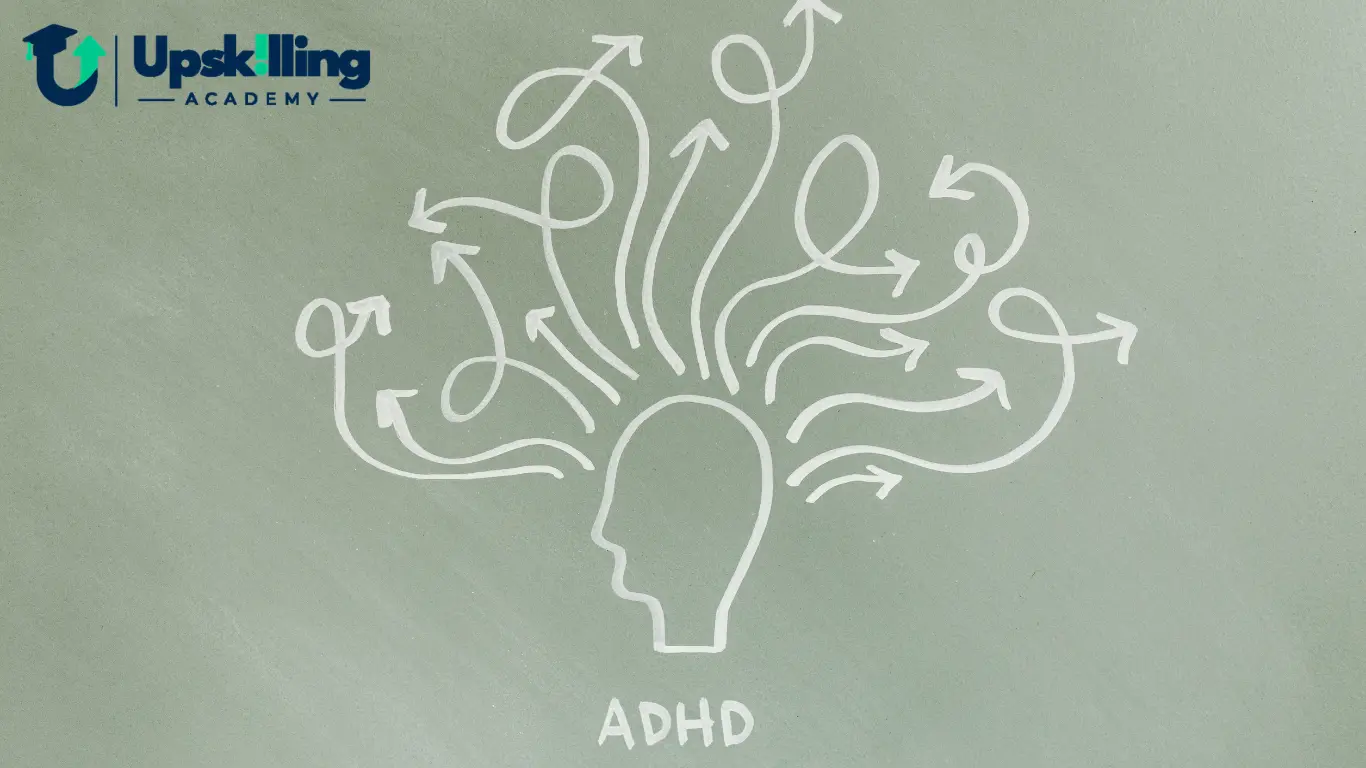
  • Neurodevelopmental disorders (e.g., Autism Spectrum Disorders, Attention Deficit Hyperactivity Disorder, Intellectual Disabilities)
  • Neurodegenerative disorders (e.g., Alzheimer’s Disease, Parkinson’s Disease, Huntington’s Disease, Amyotrophic Lateral Sclerosis)
  • Psychiatric and mood disorders (e.g., Schizophrenia, Bipolar Disorder, Major Depressive Disorder, Anxiety Disorders)
  • Acquired and traumatic brain injuries (e.g., Concussions, Stroke, Traumatic Brain Injury, Brain Tumors)
  • Infectious and autoimmune disorders (e.g., Encephalitis, Multiple Sclerosis, Meningitis)

Students will investigate the underlying causes and risk factors of these disorders, such as genetic predispositions, environmental triggers, infection, trauma, and impaired neurotransmitter functioning. The course will address the clinical manifestations, diagnostic criteria, evaluation techniques, and current therapeutic interventions, including pharmacological treatments, rehabilitative therapies, and emerging medical technologies. Ethical considerations and the impact of brain disorders on patients, families, and communities are also emphasized.

Teaching methods include lectures, case studies, interactive discussions, multimedia materials, and opportunities for critical analysis of cutting-edge research. By the end of the course, learners will not only possess foundational knowledge but also develop the analytical skills and compassionate outlook required for further study or practice in neurological healthcare.

Career Path

By enrolling in Brain Disorders, students open the door to a variety of career paths in healthcare, research, public health, and allied professions. Here are some potential avenues:

  • Medicine and Neurology: Preparation for medical school or specialist training in neurology, psychiatry, geriatrics, or related fields.
  • Nursing and Allied Health: Entry into nursing, occupational therapy, physical therapy, or speech-language pathology with a focus on neurological patients.
  • Mental Health Professions: Foundation for becoming a psychologist, clinical social worker, or psychiatric counselor.
  • Research: Work in neuroscience research labs, clinical trials, or pharmaceutical R&D focused on brain pathology and therapeutics.
  • Public Health and Policy: Prepare to design, implement, or advocate for health policies and programs addressing brain disorders.
  • Education & Advocacy: Pursue roles in community education, nonprofit organizations, and mental health advocacy groups.

Whether your goal is to become a clinical practitioner, researcher, advocate, or educator, this course equips you with valuable perspectives and core competencies relevant to a diverse set of professions related to brain health.

Who Is This Course For?

The Brain Disorders course is designed for a broad audience, with content suitable for both newcomers and those with some background knowledge in health sciences.

  • Undergraduate and graduate students majoring in biology, neuroscience, psychology, medicine, nursing, social work, or allied health fields.
  • Healthcare professionals seeking to strengthen their understanding of neurological and psychiatric conditions.
  • Educators and counselors aiming to deepen their expertise for classroom or client work.
  • Advocates, caregivers, and family members who support individuals living with brain disorders.
  • Anyone with a personal or professional interest in the science of the brain and its diseases.

No prior in-depth knowledge of neurobiology is necessary, but enthusiasm, willingness to learn, and curiosity about the human brain are encouraged. The course is suitable for those seeking foundational knowledge as well as those preparing for career advancement or specialized study.

Requirements

  • Educational Background: A high school diploma or equivalent is recommended. While no specialized prerequisites are mandatory, introductory knowledge of biology or psychology will be helpful.
  • Language: All materials and instruction are provided in English. Proficiency in academic English, both written and spoken, is necessary for participation in discussions and assessments.
  • Technical Requirements: Access to a computer or tablet with internet connectivity is required for online course content, lectures, and interactive modules.
  • Textbooks and Resources: Assigned readings and supplemental materials will be provided digitally or identified as required textbooks. Access to a library or reliable online resources is recommended.
  • Engagement: Active participation in lectures, discussions, and assessments is essential for successful completion of the course. Group projects and individual assignments may be assigned.

This course is adaptable to both traditional classroom settings and online formats, offering flexibility to accommodate different learning preferences and life circumstances. By enrolling, students commit to engaging thoughtfully and respectfully with complex medical, ethical, and social issues surrounding brain disorders.

Course Curriculum

Course Content

Chapter 1_ Mental Illness.

  • Chapter 1_ Mental Illness.

Chapter 2_ Common Mental Illnesses.

Chapter 3_ Behavioural Issues.

Who should take the course

  • - Medical students interested in neurology
  • - Nursing students studying brain health
  • - Psychology students learning about brain conditions
  • - Healthcare professionals seeking to expand knowledge on brain disorders
  • - Caregivers supporting individuals with brain disorders
  • - Social workers involved in neurological healthcare
  • - Anyone curious about the causes and effects of brain disorders

Certificate for Success at Every Step

  • No expiry date. You can keep and use the certificate forever.
  • Recognised across various UK industries.
  • Increases your chances of employability.
  • Boosts your professional credibility.
  • Shows you're up to date with industry knowledge.
Framed Upskilling Academy certificates of completion

Course Reviews

Christine Ferguson

My experience with you was fantastic and easy to navigate. I'm looking forward to taking the course.
Jesse Harding

Provided highly informative and helpful responses, with quick and efficient replies.

Gary Schwartz

The course selection is broad, engaging, easy to follow, and offers a good challenge.

Bailey Burrows

Excellent course with user-friendly website navigation, making it easy to follow. I'm really enjoying the experience.

Benjamin Moreno

Great course with valuable information. Easy to follow, and I appreciated the flexibility to work at my own pace.

Quality Accreditation

  • incensu Registered Education Supplier
  • Association of Healthcare Trainers member
  • The CPD Group approved provider #790985
  • Disability Confident Committed

FAQ for Level 3 Certificate in Brain Disorders

How do I access my course?

Once you complete your purchase, you’ll receive access to your course through your Upskilling Academy account. You can log in and access your learning materials online at any time.

How long do I have access to the course?

Your access period depends on the course and the package you purchase. Please check the course details or your order information for the applicable access period.

Can I study at my own pace?

Yes. Upskilling Academy courses are designed to provide flexible online learning, allowing you to study at a pace that suits your schedule.

Will I receive a certificate?

Certificate availability varies by course. Where a certificate is included, you’ll receive information about the requirements and how to obtain it within the course or upon completion.

Are the courses suitable for beginners?

Many courses are suitable for beginners, while others may assume some previous knowledge. Please review the individual course description for information about the recommended level and prerequisites.

