Upskilling Academy
Trusted by 3 million learners 24/7 online training Money back guarantee Fully accredited courses
Level 3 Certificate in Biomedical Engineering Thumbnail Lifetime Access
Sale

Level 3 Certificate in Biomedical Engineering

Biomedical Engineering Overview Biomedical Engineering is a rapidly growing interdisciplinary field that bridges the gap between medicine, biology,…

Best Seller Limited Time Offer
Last Updated 18 Sep 2026 352 Enrolled English Flexible Schedule

Access to 1500+ Courses with free CPD Certificates for Only £99 Get Now

What you will learn

  • - Gain an understanding of how engineering principles are applied to solve problems in medicine and healthcare
  • - Develop hands-on skills with cutting-edge biomedical devices, tools, and technologies
  • - Learn to work effectively in interdisciplinary teams with engineers, doctors, and scientists
  • - Enhance your problem-solving and critical thinking abilities in real-world healthcare scenarios
  • - Improve your job prospects in a rapidly growing and high-impact industry
  • - Prepare for advanced studies or research in biomedical engineering and related fields
  • - Contribute to innovations that improve patient outcomes and overall quality of life

Description

Biomedical Engineering

Overview

Biomedical Engineering is a rapidly growing interdisciplinary field that bridges the gap between medicine, biology, and engineering. This course introduces students to the fundamental principles, methodologies, and cutting-edge innovations in biomedical engineering. By combining engineering expertise with a deep understanding of biological systems, this field enables the creation of advanced medical devices, prosthetics, diagnostic equipment, and therapeutic solutions that transform patient care and improve lives. Students will explore the synergy between technical design and healthcare, learning how to apply engineering problem-solving skills to intricate biological challenges.

Description

This comprehensive Biomedical Engineering course covers both foundational knowledge and advanced topics, ensuring students gain a solid understanding of the field and its real-world applications. The curriculum is structured to provide a holistic view, blending theoretical lectures with practical labs and project-based learning.

Topics covered include:

  • Introduction to Biomedical Engineering: History, scope, and significance within healthcare and technology sectors.
  • Human Physiology for Engineers: Structure and function of the human body with emphasis on systems most impacted by biomedical devices.
  • Biomaterials: Properties, compatibility, and design considerations of materials used in medical devices.
  • Biomechanics: Mechanical principles applied to biological tissues and systems.
  • Medical Instrumentation: Design, function, and regulation of devices such as ECGs, imaging equipment, and more.
  • Medical Imaging: Principles and applications of technologies like MRI, CT, and ultrasound.
  • Bioinformatics and Data Analysis: Leveraging computational tools for processing biological and medical data.
  • Rehabilitation Engineering and Prosthetics: Designing assistive devices and artificial limbs.
  • Tissue Engineering and Regenerative Medicine: Innovations in growing tissues and organs.
  • Ethical, Legal, and Regulatory Aspects: Navigating the complex landscape of medical device approval and ethical considerations.

Throughout the course, students will engage in hands-on projects that simulate real-world challenges, encouraging creativity and critical thinking. There will be opportunities to work with industry-standard software, conduct laboratory experiments, and collaborate on team-based design projects. Guest lectures from experienced biomedical engineers and exposure to current research ensure that students are aware of the latest advancements and industry trends.

Career Path

Biomedical Engineering offers a multitude of career opportunities across academia, industry, healthcare, and research institutions. Graduates equipped with both engineering prowess and medical knowledge are in high demand. Possible career paths include:

  • Medical Device Engineer: Designing and testing innovative devices and instruments for diagnosis and treatment.
  • Clinical Engineer: Managing, maintaining, and optimizing medical equipment in hospitals and healthcare facilities.
  • Research Scientist: Conducting advanced research in biomedical fields to discover new therapies or technologies.
  • Regulatory Affairs Specialist: Ensuring compliance of medical products with governmental regulations and industry standards.
  • Rehabilitation Engineer: Developing assistive technologies for individuals with physical or cognitive impairments.
  • Biomaterials Specialist: Innovating and testing new materials for implants or prosthetics.
  • Coding and Bioinformatics Roles: Applying computational tools to analyze biological data and support medical research.
  • Academic and Teaching Positions: Educating the next generation of biomedical engineers or conducting scholarly research.

Additionally, many graduates pursue advanced degrees (Master’s, PhD, or MD/PhD) in biomedical engineering or related fields, opening doors to leadership positions and specialized research roles.

Who Is This Course For?

This course is ideally suited for:

  • Undergraduate or graduate students in engineering, biology, or related fields seeking to specialize in biomedical applications.
  • Engineers or scientists from other disciplines who wish to apply their skills to the medical and healthcare sectors.
  • Healthcare professionals interested in the technical aspects of medical devices and technologies.
  • Entrepreneurs and innovators aiming to develop new biomedical products or startups.
  • Individuals passionate about making a positive impact on healthcare and patient quality of life through technology.

Whether you are starting your journey or looking to enhance your understanding and skills within biomedical engineering, this course provides a strong foundation and ample opportunities for growth.

Requirements

To ensure full participation and comprehension, prospective students should meet the following prerequisites:

  • Educational Background: A high school diploma or equivalent is required. Basic coursework in mathematics, physics, chemistry, and biology is highly recommended.
  • Mathematical Skills: Familiarity with algebra and introductory calculus concepts will be beneficial, as engineering problem-solving often relies on mathematical modeling.
  • Technical Aptitude: Basic computer literacy is expected. Previous experience with engineering software or programming is helpful but not mandatory.
  • English Proficiency: As lectures and materials are presented in English, a good command of written and spoken English is necessary.
  • Curiosity and Commitment: Due to the breadth of topics and the interactive project-based approach, students should be motivated, inquisitive, and prepared to engage actively with course material.

Most importantly, an enthusiasm for learning at the crossroads of medicine and technology will ensure a rewarding educational experience. No prior experience in biomedical engineering is necessary—just a passion for science, engineering, and improving human health.

Course Curriculum

Course Content

Module 01

  • Lesson 01

Module 02

Module 03

Module 04

Module 05

Module 06

Module 07

Module 08

Who should take the course

  • - High school graduates interested in medical technology
  • - Undergraduate students exploring engineering fields
  • - Healthcare professionals seeking to understand medical devices
  • - Engineers wanting to enter the biomedical industry
  • - Science majors considering interdisciplinary careers
  • - Technicians working with medical equipment
  • - Aspiring researchers in health and technology

Certificate for Success at Every Step

  • No expiry date. You can keep and use the certificate forever.
  • Recognised across various UK industries.
  • Increases your chances of employability.
  • Boosts your professional credibility.
  • Shows you're up to date with industry knowledge.
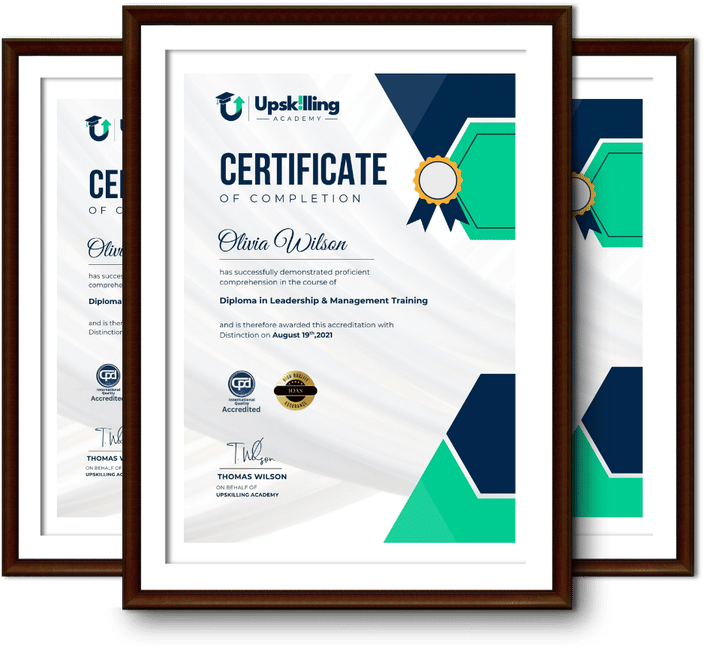
Framed Upskilling Academy certificates of completion

Course Reviews

Christine Ferguson

My experience with you was fantastic and easy to navigate. I'm looking forward to taking the course.

Jesse Harding

Provided highly informative and helpful responses, with quick and efficient replies.

Gary Schwartz

The course selection is broad, engaging, easy to follow, and offers a good challenge.

Bailey Burrows

Excellent course with user-friendly website navigation, making it easy to follow. I'm really enjoying the experience.

Benjamin Moreno

Great course with valuable information. Easy to follow, and I appreciated the flexibility to work at my own pace.

Quality Accreditation

  • incensu Registered Education Supplier
  • Association of Healthcare Trainers member
  • The CPD Group approved provider #790985
  • Disability Confident Committed

FAQ for Level 3 Certificate in Biomedical Engineering

How do I access my course?

Once you complete your purchase, you’ll receive access to your course through your Upskilling Academy account. You can log in and access your learning materials online at any time.

How long do I have access to the course?

Your access period depends on the course and the package you purchase. Please check the course details or your order information for the applicable access period.

Can I study at my own pace?

Yes. Upskilling Academy courses are designed to provide flexible online learning, allowing you to study at a pace that suits your schedule.

Will I receive a certificate?

Certificate availability varies by course. Where a certificate is included, you’ll receive information about the requirements and how to obtain it within the course or upon completion.

Are the courses suitable for beginners?

Many courses are suitable for beginners, while others may assume some previous knowledge. Please review the individual course description for information about the recommended level and prerequisites.