Upskilling Academy
Trusted by 3 million learners 24/7 online training Money back guarantee Fully accredited courses
Level 3 Certificate in Bereavement Thumbnail Lifetime Access
Sale

Level 3 Certificate in Bereavement

Bereavement Overview Bereavement is an essential and deeply human experience encountered by individuals across all cultures, backgrounds, and…

Best Seller Limited Time Offer
Last Updated 18 Sep 2026 352 Enrolled English Flexible Schedule

Access to 1500+ Courses with free CPD Certificates for Only £99 Get Now

What you will learn

  • - Gain a deeper understanding of the grieving process and its emotional impact
  • - Learn effective coping strategies to manage grief and loss
  • - Develop skills to support others experiencing bereavement
  • - Explore healthy ways to remember and honor loved ones
  • - Increase awareness of common misconceptions about grief
  • - Build resilience and find meaning after significant loss
  • - Access resources and community support for ongoing healing

Description

Bereavement

Overview

Bereavement is an essential and deeply human experience encountered by individuals across all cultures, backgrounds, and walks of life. This comprehensive course, titled Bereavement, delves into the complex journey of mourning and adjustment following loss. Merging psychological theory, cultural perspectives, and practical application, students will gain a nuanced understanding of the grief process, develop empathy, and acquire the skills to support those experiencing bereavement. The course combines academic rigor with real-life applications, making it relevant for both personal growth and professional development within healthcare, counseling, social work, pastoral care, education, and other helping professions.

Description

The Bereavement course provides an in-depth exploration of what it means to grieve and to support others through loss. The curriculum is structured to foster both intellectual understanding and emotional sensitivity, weaving together the latest research in bereavement, practical case studies, cultural and spiritual considerations, and best practices for support and self-care.

  • Foundations of Bereavement Theory:
    Students will examine landmark theoretical models such as the Five Stages of Grief (Kübler-Ross), Worden’s Tasks of Mourning, the Dual Process Model, and meaning-making approaches. Through comparative analysis, students will discern the unique contributions and limitations of each framework.
  • Diverse Experiences of Grief:
    The course highlights the diversity of bereavement, including anticipatory grief, traumatic loss, disenfranchised grief, ambiguous loss, and cultural variations in mourning rituals and expressions. Special topics include loss in children, adolescents, and the elderly; challenges following sudden or violent death; and issues surrounding complicated or prolonged grief.
  • Supportive Interventions and Communication:
    Students will acquire practical strategies to support the bereaved, encompassing active listening, compassionate presence, crisis intervention, and referral skills. The learning process includes simulated client scenarios, reflective journaling, group discussions, and role-play.
  • Self-care and Resilience:
    Recognizing the emotional demands placed on those working with the bereaved, the course addresses vicarious trauma, burnout prevention, and strategies for cultivating resilience and healthy boundaries.
  • Contemporary Issues and Future Directions:
    The course also explores evolving themes such as online mourning, grief in the context of the pandemic, supporting marginalized groups, and advancements in bereavement therapy and policy.

Throughout the course, students are encouraged to engage in reflective practice, draw connections to their personal and professional lives, and develop a toolkit of evidence-based resources for continued growth. Assessments combine practical skills, critical thinking, and self-awareness, preparing graduates to offer meaningful, informed, and ethical support to those navigating loss.

Career Path

Completion of the Bereavement course opens the door to a variety of rewarding roles and career enhancements where empathy, understanding of grief processes, and bereavement support are necessary. Graduates will be well-positioned to contribute meaningfully within their communities and professional contexts. Potential pathways include:

  • Bereavement Counselor/Coordinator: Work in hospices, hospitals, funeral services, or community organizations providing individual or group support for the bereaved.
  • Healthcare Professionals: Enhance holistic patient and family care as a nurse, doctor, caregiver, palliative care specialist, or mental health provider.
  • Social Worker or Case Manager: Provide crisis intervention, resource navigation, and emotional support to individuals and families facing a loss.
  • Clergy and Spiritual Leaders: Offer pastoral care and grief counseling within religious or spiritual communities.
  • Educators and School Counselors: Support students and families navigating grief within the school environment.
  • Community Outreach and Advocacy: Engage in public health, policy-making, charitable initiatives, or bereavement education programs.
  • Personal Growth and Family Support: Enhance individual coping skills, resilience, and the ability to support loved ones through loss.

The course serves as professional development for those already engaged in helping roles, as well as a meaningful foundation for those exploring new vocations in grief support.

Who Is This Course For?

The Bereavement course is designed for anyone with a personal or professional interest in understanding and supporting grief. It is suitable for:

  • Healthcare professionals (nurses, doctors, palliative care providers, therapists, and allied health workers) seeking comprehensive bereavement training.
  • Counselors, social workers, and psychologists aiming to deepen their expertise in grief and loss.
  • Clergy, chaplains, and spiritual caregivers interested in pastoral care and supporting their communities.
  • Teachers, school counselors, and education professionals working with grieving students and families.
  • Funeral directors and bereavement coordinators requiring additional skills for sensitive client support.
  • Individuals experiencing personal loss who wish to gain self-understanding and peer support.
  • Anyone involved in community care, crisis response, or volunteer work who may encounter individuals facing bereavement.

No prior experience in counseling or psychology is required—just a willingness to engage actively, reflect meaningfully, and approach the topic with empathy and respect.

Requirements

To ensure the most meaningful learning experience, participants should meet the following requirements:

  • Language Proficiency: The course is delivered in English, so students should be capable of reading, writing, and participating in discussions in English.
  • Emotional Preparedness: As bereavement is a sensitive topic, students are encouraged to assess their readiness to engage with discussions of loss, grief, and trauma.
  • Access to Technology: For blended or online formats, students need a computer or tablet with internet access, along with basic word processing and communication skills.
  • Commitment to Participation: Regular attendance, completion of readings, assignments, and participation in discussions are expected for optimal learning and growth.
  • Openness and Confidentiality: Students must be willing to respect the confidentiality of shared experiences and create a supportive, nonjudgmental class environment.

There are no mandatory prerequisites for this course, making it accessible to those from a variety of backgrounds and career stages. Recommended readings and optional enrichment resources will be provided.

Course Curriculum

Course Content

Module 1_ What is bereavement_

  • Lesson 1_ What is bereavement_

Module 2_ Stages of grief

Module 3_ Cultural and religious practices related to mourning

Module 4_ Supporting individuals from diverse backgrounds

Module 5_ Understanding how children and adolescents experience grief

Module 6_ Helping children and adolescents cope with the death of a loved one

Module 7_ Understanding the process of dying

Module 8_ Palliative care and hospice services

Module 9_ Recognizing the impact of grief on professionals

Module 10_ Seeking support and resources as a professional

Who should take the course

  • - Individuals grieving the loss of a loved one
  • - Friends or family members supporting someone who is bereaved
  • - Counselors, therapists, or social workers
  • - Healthcare professionals working with terminally ill patients
  • - Teachers or school staff supporting grieving students
  • - Volunteers in hospice or palliative care
  • - Clergy or spiritual leaders assisting those in mourning

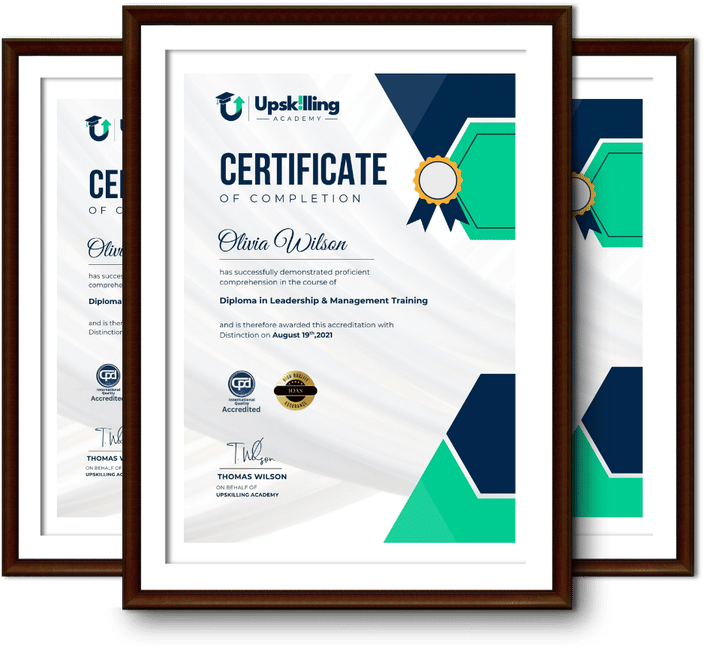
Certificate for Success at Every Step

  • No expiry date. You can keep and use the certificate forever.
  • Recognised across various UK industries.
  • Increases your chances of employability.
  • Boosts your professional credibility.
  • Shows you're up to date with industry knowledge.
Framed Upskilling Academy certificates of completion

Course Reviews

Christine Ferguson

My experience with you was fantastic and easy to navigate. I'm looking forward to taking the course.

Jesse Harding

Provided highly informative and helpful responses, with quick and efficient replies.

Gary Schwartz

The course selection is broad, engaging, easy to follow, and offers a good challenge.

Bailey Burrows

Excellent course with user-friendly website navigation, making it easy to follow. I'm really enjoying the experience.

Benjamin Moreno

Great course with valuable information. Easy to follow, and I appreciated the flexibility to work at my own pace.

Quality Accreditation

  • incensu Registered Education Supplier
  • Association of Healthcare Trainers member
  • The CPD Group approved provider #790985
  • Disability Confident Committed

FAQ for Level 3 Certificate in Bereavement

How do I access my course?

Once you complete your purchase, you’ll receive access to your course through your Upskilling Academy account. You can log in and access your learning materials online at any time.

How long do I have access to the course?

Your access period depends on the course and the package you purchase. Please check the course details or your order information for the applicable access period.

Can I study at my own pace?

Yes. Upskilling Academy courses are designed to provide flexible online learning, allowing you to study at a pace that suits your schedule.

Will I receive a certificate?

Certificate availability varies by course. Where a certificate is included, you’ll receive information about the requirements and how to obtain it within the course or upon completion.

Are the courses suitable for beginners?

Many courses are suitable for beginners, while others may assume some previous knowledge. Please review the individual course description for information about the recommended level and prerequisites.