Upskilling Academy
Trusted by 3 million learners 24/7 online training Money back guarantee Fully accredited courses
Level 3 Certificate in Benzene Safety Thumbnail Lifetime Access
Sale

Level 3 Certificate in Benzene Safety

Benzene Safety Overview Benzene is a widely used industrial chemical that is essential in the production of plastics,…

Best Seller Limited Time Offer
Last Updated 14 Oct 2026 352 Enrolled English Flexible Schedule

Access to 1500+ Courses with free CPD Certificates for Only £99 Get Now

What you will learn

  • - Gain a thorough understanding of benzene hazards and health risks
  • - Learn practical steps to minimize exposure in the workplace
  • - Become familiar with proper use of personal protective equipment (PPE)
  • - Improve workplace safety through best practices and regulatory compliance
  • - Develop the ability to respond effectively to benzene spills and emergencies
  • - Enhance your professional qualifications with valuable safety knowledge
  • - Help create a safer environment for yourself and your colleagues

Description

Benzene Safety

Overview

Benzene is a widely used industrial chemical that is essential in the production of plastics, resins, synthetic fibers, rubber lubricants, dyes, detergents, drugs, and pesticides. Despite its importance, benzene is highly hazardous to human health and is classified as a known carcinogen by multiple international health organizations. Ensuring the safety of workers, communities, and the environment when working with or around benzene is critical.

The Benzene Safety course is a comprehensive training program designed to equip learners with the knowledge and skills necessary to safely handle, store, transport, and respond to emergencies involving benzene. By exploring both theoretical concepts and practical applications, this course aims to foster a robust culture of safety in every sector where benzene is present.

Description

This course provides in-depth coverage of benzene hazards, exposure limits, best practices, and emergency response protocols. The curriculum begins with the origins and applications of benzene in modern industry, underlining its ubiquity and critical role. After establishing a foundation, the course delves into the physical, chemical, and toxicological properties of benzene, highlighting what makes it particularly dangerous to human health, including its volatile nature and potential to cause leukemia and other health issues.

Practical modules guide learners through the recognition, evaluation, and control of workplace benzene hazards. Instruction covers various monitoring methods for airborne benzene, techniques for proper ventilation, personal protective equipment (PPE) selection and usage, and safe work practices. The course also addresses compliance with mandatory regulations such as OSHA’s Benzene Standard (29 CFR 1910.1028), EPA guidelines, and other international standards.

A significant component is dedicated to handling spills, leaks, and accidental exposure. Through scenario-based exercises, participants practice emergency response, first aid procedures, decontamination, and reporting requirements. Case studies from real-world incidents further reinforce the importance of vigilance and strict adherence to safety protocols.

  • Module 1: Introduction to Benzene – history, industrial uses, and prevalence.
  • Module 2: Health and Physical Hazards – toxicology, routes of exposure, symptoms of poisoning, and chronic effects such as carcinogenicity.
  • Module 3: Hazard Recognition and Risk Assessment – hazard communication, exposure monitoring, air sampling methods, and risk evaluation tools.
  • Module 4: Control Measures and PPE – engineering controls, administrative controls, personal protective strategies, and proper handling practices.
  • Module 5: Regulatory Framework – overview of major international, federal, and local benzene regulations.
  • Module 6: Emergency Procedures – spill response, fire fighting considerations, first aid, and evacuation protocols.
  • Module 7: Case Studies and Lessons Learned – analysis of historical benzene incidents to inform future best practices.

Upon completion, learners will be able to recognize benzene hazards, apply safe work practices, use appropriate protective equipment, comply with regulatory standards, and effectively respond to emergencies.

Career Path

Gaining benzene safety expertise opens up numerous professional opportunities in sectors where hazardous materials are handled. Understanding benzene safety is vital for compliance and operational excellence in industries where exposure risk is prevalent. Potential career avenues include:

  • Occupational Health and Safety Specialist: Develop, implement, and monitor workplace benzene safety protocols in industrial or laboratory environments.
  • Industrial Hygienist: Conduct exposure assessments, monitoring, and develop controls for hazardous chemicals including benzene.
  • Environmental Health and Safety (EHS) Manager: Oversee comprehensive safety programs, ensuring regulatory compliance across multiple chemical hazards.
  • Chemical Plant Operator: Direct involvement in the handling, storage, production, and transportation of benzene-containing products.
  • Emergency Response Coordinator: Plan and execute emergency drills and coordinate actual responses to benzene-related incidents.

Expertise in benzene safety also enhances prospects in fields such as environmental consulting, regulatory affairs, chemical logistics, and industrial training. Successful completion of this course not only increases personal safety but also positions individuals as valuable assets in high-risk industries.

Who Is This Course For?

  • Employees and supervisors in industries such as petrochemical, pharmaceutical, textile, adhesives, and rubber manufacturing where benzene exposure is likely.
  • Health and Safety officers seeking comprehensive training on hazardous chemical management.
  • Environmental, laboratory, and industrial hygiene professionals responsible for monitoring and controlling chemical exposures.
  • First responders, emergency personnel, and hazardous materials (HazMat) teams requiring incident-specific guidance for benzene emergencies.
  • Students and professionals entering industrial, environmental, or chemical engineering careers.
  • Regulatory officials, auditors, and inspectors tasked with enforcing benzene-related standards and compliance.

Whether you are new to hazardous materials safety or already involved in workplace safety management, this course offers essential knowledge and practical skills relevant to a broad array of roles. No prior experience with benzene is required, but familiarity with general occupational safety and health principles will be beneficial.

Requirements

  • Basic Education: High school diploma or equivalent educational background is recommended to ensure comprehension of course materials.
  • Language Proficiency: Ability to read, write, and comprehend the course language (English) for participation in discussions, assessments, and exercises.
  • Technical Requirements: Computer or tablet with reliable internet access to view course content, participate in interactive modules, and access downloadable materials.
  • Personal Protective Equipment (PPE): For hands-on training sessions, learners may need access to basic PPE such as gloves, goggles, lab coats, or respirators, unless provided by an employer or training facility.
  • Regulatory Guidelines: If the course is taken as part of mandatory workplace training, learners should review their organization’s benzene exposure control policies in conjunction with the course materials.

A willingness to engage in interactive safety drills, case study discussions, and assessments is essential for successful completion of the course. Participants must commit to maintaining a proactive mindset towards safety and compliance not only during the course, but in their professional practices as well.

Course Curriculum

Course Content

Module 1_ Introduction to Benzene Safety

  • Lesson 1_ Introduction to Benzene Safety

Module 2_ Properties of Benzene

Module 3_ Health Effects of Benzene Exposure

Module 4_ Risk Assessment and Management

Module 5_ Personal Protective Equipment (PPE) for Benzene Handling

Module 6_ Engineering Controls and Ventilation Systems

Module 7_ Safe Handling Practices

Who should take the course

  • - Laboratory technicians working with chemicals
  • - Factory workers in industries handling benzene
  • - Chemical plant staff and engineers
  • - Environmental health and safety officers
  • - Supervisors overseeing hazardous material operations
  • - Students studying chemistry or industrial safety
  • - Emergency response personnel handling chemical spills

Certificate for Success at Every Step

  • No expiry date. You can keep and use the certificate forever.
  • Recognised across various UK industries.
  • Increases your chances of employability.
  • Boosts your professional credibility.
  • Shows you're up to date with industry knowledge.
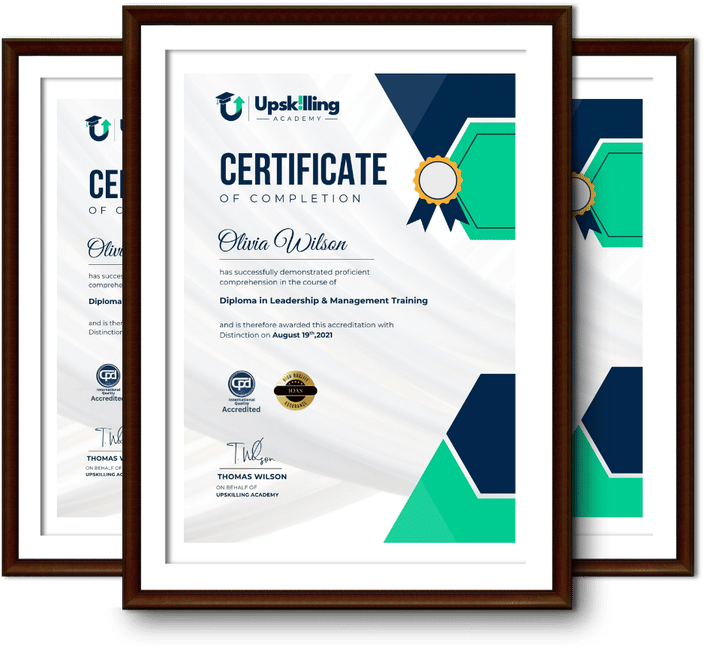
Framed Upskilling Academy certificates of completion

Course Reviews

Christine Ferguson

My experience with you was fantastic and easy to navigate. I'm looking forward to taking the course.
Jesse Harding

Provided highly informative and helpful responses, with quick and efficient replies.

Gary Schwartz

The course selection is broad, engaging, easy to follow, and offers a good challenge.

Bailey Burrows

Excellent course with user-friendly website navigation, making it easy to follow. I'm really enjoying the experience.

Benjamin Moreno

Great course with valuable information. Easy to follow, and I appreciated the flexibility to work at my own pace.

Quality Accreditation

  • incensu Registered Education Supplier
  • Association of Healthcare Trainers member
  • The CPD Group approved provider #790985
  • Disability Confident Committed

FAQ for Level 3 Certificate in Benzene Safety

How do I access my course?

Once you complete your purchase, you’ll receive access to your course through your Upskilling Academy account. You can log in and access your learning materials online at any time.

How long do I have access to the course?

Your access period depends on the course and the package you purchase. Please check the course details or your order information for the applicable access period.

Can I study at my own pace?

Yes. Upskilling Academy courses are designed to provide flexible online learning, allowing you to study at a pace that suits your schedule.

Will I receive a certificate?

Certificate availability varies by course. Where a certificate is included, you’ll receive information about the requirements and how to obtain it within the course or upon completion.

Are the courses suitable for beginners?

Many courses are suitable for beginners, while others may assume some previous knowledge. Please review the individual course description for information about the recommended level and prerequisites.