Upskilling Academy
Trusted by 3 million learners 24/7 online training Money back guarantee Fully accredited courses
Level 3 Certificate in Basic Electrical Engineering Thumbnail Lifetime Access
Sale

Level 3 Certificate in Basic Electrical Engineering

Basic Electrical Engineering Overview The Basic Electrical Engineering course is a foundational program designed to introduce students to…

Best Seller Limited Time Offer
Last Updated 17 Sep 2026 352 Enrolled English Flexible Schedule

Access to 1500+ Courses with free CPD Certificates for Only £99 Get Now

What you will learn

  • - Build a strong foundation in fundamental electrical concepts and theories
  • - Develop practical skills for solving real-world electrical problems
  • - Improve your understanding of electrical circuits, components, and safety protocols
  • - Gain confidence in analyzing and troubleshooting basic electrical systems
  • - Prepare effectively for advanced courses or careers in engineering and technology
  • - Enhance your teamwork, critical thinking, and problem-solving abilities
  • - Increase your employability in industries that value basic electrical knowledge

Description

Basic Electrical Engineering

Overview

The Basic Electrical Engineering course is a foundational program designed to introduce students to the essential concepts, principles, and practices of the electrical engineering domain. This course serves as the first stepping stone for aspiring engineers, technicians, and enthusiasts intent on developing a strong understanding of electricity, circuit theory, and electrical systems. Through a blend of theoretical instruction, practical problem-solving, and hands-on experiments, students will acquire the necessary skills and knowledge to analyze, design, and troubleshoot simple electrical circuits.

Spanning fundamental topics such as Ohm’s Law, Kirchhoff’s Laws, AC and DC circuits, electrical machines, and safety protocols, this course lays the groundwork for advanced studies in electrical engineering and related fields. By fostering analytical thinking and engineering intuition, participants will gain the competence required to address real-world electrical challenges, bridging the gap between theory and application.

Description

This Basic Electrical Engineering course offers a comprehensive introduction to the basics of electricity and electrical technology. Beginning with the underlying principles of electrical phenomena, students will move through a well-structured curriculum encompassing circuit elements, circuit analysis, electrical measuring instruments, and an introduction to electrical machines like motors and generators. Special emphasis is placed on understanding how physical laws govern practical electrical systems and on cultivating the skills necessary for effective problem-solving in engineering contexts.

  • Electricity and Circuit Theory: Gain an in-depth understanding of electric charge, voltage, current, resistance, power, and energy. Delve into foundational laws such as Ohm’s Law, Joule’s Law, and Kirchhoff’s Current and Voltage Laws. Study the behavior of series and parallel circuits, and practice calculating electrical quantities.
  • Electrical Measurements and Instruments: Learn to safely use tools like voltmeters, ammeters, multimeters, and oscilloscopes. Develop your proficiency in reading schematic diagrams and using measurement techniques fundamental to diagnosing circuit problems.
  • Alternating Current (AC) and Direct Current (DC) Circuits: Explore the characteristics and analysis of both DC and AC circuits. Understand sinusoidal sources, phasors, impedance, resonance in RLC circuits, and the difference between single-phase and three-phase systems.
  • Transformers and Electrical Machines: Receive an introductory overview of transformers, electric motors, and generators. Study their basic construction, working principles, and areas of application, focusing on how electrical machines convert energy forms and their essential role in industrial settings.
  • Electrical Safety and Best Practices: Emphasize the importance of safety, standards, and good engineering practices. Learn how to mitigate electrical hazards, understand grounding and insulation, and recognize emergency procedures.

Each module is supplemented by demonstrations and lab exercises to reinforce theoretical concepts with practical applications, encouraging a well-rounded understanding and increasing retention.

Career Path

A solid grounding in basic electrical engineering is indispensable for numerous career trajectories within the technology and engineering sectors. The knowledge and skills acquired through this course are widely applicable and highly sought after in various industries.

  • Electrical Engineer: Graduates can pursue further studies leading to roles as electrical engineers involved in power generation, distribution, and electronic product development.
  • Technician Roles: Entry-level technician and support engineering positions in manufacturing, construction, energy, and utility companies rely on a thorough understanding of basic electrical systems.
  • Automation and Control: This course is a prerequisite for roles in industrial automation, robotics, and process control, preparing students to design and maintain automated systems.
  • Renewable Energy Sector: With global movements toward sustainable energy, foundational electrical engineering skills are crucial for careers in solar, wind, and other alternative energy fields.
  • Academic and Research Pathways: Learners wishing to pursue advanced academic degrees or participate in research projects will find this course provides a vital theoretical and practical base.

No matter the chosen path, the concepts covered in Basic Electrical Engineering are essential building blocks for lifelong technical skills and continuous professional development.

Who Is This Course For?

This course is carefully structured to cater to a diverse group of learners, ranging from absolute beginners to those looking to reinforce their existing knowledge base:

  • Engineering Students: Ideal for first-year students in electrical, electronics, mechatronics, mechanical, or related engineering disciplines who require a robust foundation in electrical engineering principles.
  • Technical Diploma and Polytechnic Students: Tailored for students in vocational or diploma programs who desire practical understanding and hands-on skills in electrical circuits and systems.
  • Technicians and Tradespeople: Perfect for professionals and tradespeople who wish to upgrade their skills, knowledge, and employability in technical fields.
  • Career Switchers and Hobbyists: Those interested in entering the electrical field or developing a new hobby in electronics and DIY electrical projects will benefit from clear, accessible coverage of topics.
  • STEM Educators and Trainers: Suited for educators needing comprehensive and well-structured content to deliver to their own students.

Whether your goal is academic excellence, career advancement, or personal enrichment, this course delivers a thorough and approachable introduction to the core tenets of electrical engineering.

Requirements

The Basic Electrical Engineering course is designed with accessibility in mind, requiring minimal prerequisites so as to welcome learners from diverse backgrounds. However, to maximize your benefit from the curriculum, the following requirements and recommendations should be considered:

  • Education: A high school diploma or equivalent is typically sufficient, ideally with prior coursework in mathematics and general science.
  • Mathematics Fundamentals: Familiarity with basic algebra, arithmetic operations, and elementary trigonometry will ease the understanding of circuit analysis.
  • Computer Access: Access to a computer or laptop is recommended for research, document creation, and possible use of circuit simulation software.
  • Lab Participation: For courses with a practical component, students may be required to participate in laboratory sessions or home-based practical exercises involving circuit building and measurement instruments.
  • Materials: Basic stationery, graph paper, a scientific calculator, and access to circuit components (like resistors, wires, breadboards) if engaging in hands-on modules.
  • Motivation and Curiosity: Above all, a strong willingness to learn, problem-solve, and experiment with new concepts is crucial for success.

No previous experience in electrical engineering is necessary, and the course has been crafted to systematically develop your skills from the ground up.

Course Curriculum

Course Content

Module 01

  • Lesson 01

Module 02

Module 03

Module 04

Module 05

Module 06

Module 07

Module 08

Who should take the course

  • - First-year engineering students
  • - Polytechnic and diploma students
  • - Technical school students
  • - Beginners interested in electrical concepts
  • - Working professionals needing electrical basics
  • - High school graduates considering engineering
  • - Non-electrical background learners seeking foundational knowledge

Certificate for Success at Every Step

  • No expiry date. You can keep and use the certificate forever.
  • Recognised across various UK industries.
  • Increases your chances of employability.
  • Boosts your professional credibility.
  • Shows you're up to date with industry knowledge.
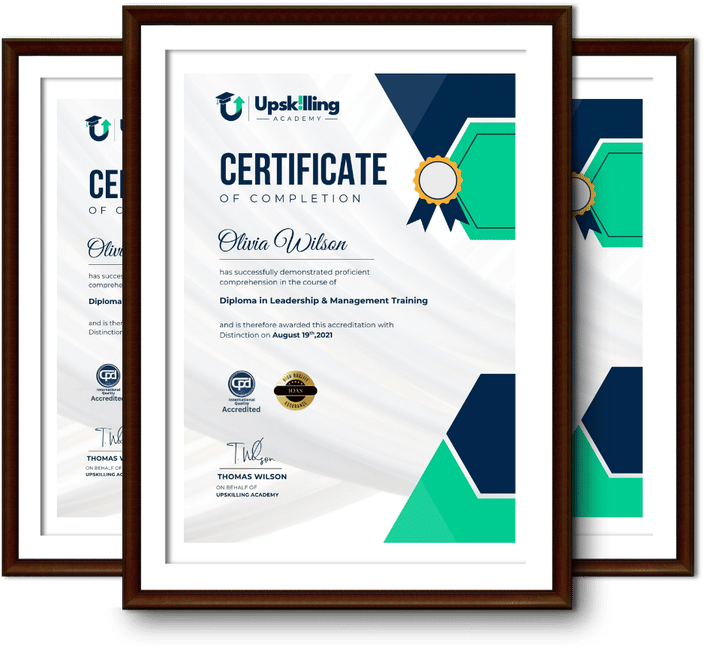
Framed Upskilling Academy certificates of completion

Course Reviews

Christine Ferguson

My experience with you was fantastic and easy to navigate. I'm looking forward to taking the course.

Jesse Harding

Provided highly informative and helpful responses, with quick and efficient replies.

Gary Schwartz

The course selection is broad, engaging, easy to follow, and offers a good challenge.

Bailey Burrows

Excellent course with user-friendly website navigation, making it easy to follow. I'm really enjoying the experience.

Benjamin Moreno

Great course with valuable information. Easy to follow, and I appreciated the flexibility to work at my own pace.

Quality Accreditation

  • incensu Registered Education Supplier
  • Association of Healthcare Trainers member
  • The CPD Group approved provider #790985
  • Disability Confident Committed

FAQ for Level 3 Certificate in Basic Electrical Engineering

How do I access my course?

Once you complete your purchase, you’ll receive access to your course through your Upskilling Academy account. You can log in and access your learning materials online at any time.

How long do I have access to the course?

Your access period depends on the course and the package you purchase. Please check the course details or your order information for the applicable access period.

Can I study at my own pace?

Yes. Upskilling Academy courses are designed to provide flexible online learning, allowing you to study at a pace that suits your schedule.

Will I receive a certificate?

Certificate availability varies by course. Where a certificate is included, you’ll receive information about the requirements and how to obtain it within the course or upon completion.

Are the courses suitable for beginners?

Many courses are suitable for beginners, while others may assume some previous knowledge. Please review the individual course description for information about the recommended level and prerequisites.