Upskilling Academy
Trusted by 3 million learners 24/7 online training Money back guarantee Fully accredited courses
Level 3 Certificate in Avoiding Rear-End Collisions – Light Vehicles Thumbnail Lifetime Access
Sale

Level 3 Certificate in Avoiding Rear-End Collisions – Light Vehicles

Avoiding Rear-End Collisions – Light Vehicles Overview Rear-end collisions are among the most common types of traffic accidents,…

Best Seller Limited Time Offer
Last Updated 02 Oct 2026 352 Enrolled English Flexible Schedule

Access to 1500+ Courses with free CPD Certificates for Only £99 Get Now

What you will learn

  • - Learn practical strategies to recognize and avoid common rear-end collision scenarios
  • - Gain confidence in maintaining safe following distances in all driving conditions
  • - Improve your ability to recognize and react to hazards before they become a threat
  • - Reduce the risk of costly accidents and potential injuries
  • - Understand the impact of distraction and how to stay focused behind the wheel
  • - Learn best practices for braking, signaling, and anticipating traffic flow
  • - Enhance your overall driving skills for safer, more responsible road use

Description

Avoiding Rear-End Collisions – Light Vehicles

Overview

Rear-end collisions are among the most common types of traffic accidents, representing a significant portion of all reported crashes worldwide. While they often seem straightforward, a rear-end collision can have profound consequences, including personal injuries, property damage, insurance complications, and even legal actions. Understanding the causes, risk factors, and—most importantly—the strategies for preventing rear-end accidents is essential for anyone operating light vehicles, whether for personal or professional use. This comprehensive course has been designed to address these pivotal aspects, providing practical guidance, evidence-based recommendations, and interactive learning experiences to build safer driving habits.

Description

This in-depth course, “Avoiding Rear-End Collisions – Light Vehicles,” merges modern traffic safety research with practical on-the-road skills, equipping participants with the knowledge and tools needed to significantly reduce the risk of rear-end crashes. The curriculum addresses the typical scenarios leading to these collisions, such as sudden stops, distracted driving, following too closely, and variable road conditions.

Throughout the course, participants will explore key topics, including the physics of motion as it applies to vehicle stopping distances, the role of perception-reaction time, defensive driving best practices, and the influence of modern technology like automatic emergency braking and adaptive cruise control. This multi-faceted approach ensures learners understand both the “why” and “how” behind critical safety measures.

The course combines theoretical lectures, video demonstrations, real-world case studies, and interactive quizzes. Learners will also gain insights into legal responsibilities following a collision, insurance procedures, and emotional coping strategies. By the end, participants will possess actionable skills to enhance their own driving and contribute to safer roads for everyone.

  • Module 1: Introduction to Rear-End Collisions
    Understanding accident statistics, risk factors, and real-world repercussions.
  • Module 2: Human Factors and Safe Driving Behaviors
    Focuses on common driver errors, distractions, impatience, fatigue, and the psychology behind following too closely.
  • Module 3: Vehicle Dynamics and Technology
    Insight into braking systems, tire maintenance, and modern safety technology such as forward collision warning systems.
  • Module 4: Defensive Driving Techniques
    Best practices for maintaining safe following distances, recognizing potential hazards, and managing visibility in poor conditions.
  • Module 5: Legal, Insurance, and Post-Collision Procedures
    Step-by-step guides on what to do after a collision, from exchanging information to dealing with insurance claims.

Career Path

Completing “Avoiding Rear-End Collisions – Light Vehicles” bolsters a key aspect of driver competence and road safety, making it especially valuable for those whose roles require extensive travel or transport responsibilities. The knowledge and skills gained from this course can unlock or advance several professional opportunities, including:

  • Professional Drivers: Enhance employability and performance whether driving taxi, ride-share, courier, or light commercial vehicles.
  • Logistics & Fleet Supervisors: Integrating rear-end collision-avoidance into workplace safety programs can improve overall fleet performance and reduce costs related to accidents and insurance.
  • Driving Instructors: Updated safety protocols and modern teaching methods to impart to new drivers.
  • Road Safety Advocates: Strengthening credentials for those involved in community education or advocacy positions.
  • Everyday Motorists: Improved confidence and reduced risk, contributing to community road safety and personal legal protection.

Additionally, learners will enjoy reduced risk of personal involvement in accidents, fewer insurance claims, and better preparedness for unexpected road situations. These competencies also support safer practices among family or professional teams, establishing a culture of responsibility and ongoing risk reduction.

Who Is This Course For?

“Avoiding Rear-End Collisions – Light Vehicles” is designed for a wide audience. You will benefit from this course if you are:

  • New drivers seeking to enter the road with strong foundational safety knowledge.
  • Experienced motorists aiming to refresh their understanding of current best practices, especially given advances in vehicle technology and changes in traffic laws.
  • Professional drivers and operators of light vehicles in fields such as delivery, ride-sharing, sales, and logistics.
  • Fleet managers or small business owners looking to reduce workplace accidents and unnecessary downtime.
  • Parent drivers or caregivers concerned for the safety of young or elderly passengers.
  • Driving instructors and educators updating their materials with evidence-based content.

No previous specialized knowledge of vehicle dynamics or physics is required. The course presents concepts in clear, accessible language, ensuring all participants can engage and succeed.

Requirements

  • Valid driver’s license or active learner’s permit: You must currently be eligible to operate light vehicles, ensuring the material matches your real-world context.
  • Basic knowledge of traffic laws: The course assumes familiarity with general road signs and local regulations.
  • Access to a light vehicle (car, van, or similar): Practical exercises will encourage you to apply newly-learned techniques in your own vehicle, though all practical modules may be simulated where required.
  • Internet connection and device: This is an online course, requiring access to the internet through a computer, tablet, or smartphone for course modules and assessments.
  • Willingness to engage and reflect: Active participation is encouraged through self-assessments, scenario analyses, and, where applicable, group discussion forums.

This course is structured to be as inclusive as possible, suitable for learners at all stages of life or career. By the end, every participant will be more aware, prepared, and capable of making safer decisions—mitigating risk and setting a higher standard for roadways everywhere.

Course Curriculum

Course Content

Module 1_ Introduction to Rear-End Collisions

  • Lesson 1_ Introduction to Rear-End Collisions

Module 2_ Vehicle Dynamics and Control

Module 3_ Driver Awareness and Behavior

Module 4_ Road and Traffic Conditions

Module 5_ Use of Technology in Collision Avoidance

Module 6_ Emergency Maneuvers and Techniques

Module 7_ Legal and Regulatory Aspects

Who should take the course

  • - Professional drivers of light vehicles
  • - Delivery and courier service drivers
  • - Rideshare and taxi drivers
  • - Company employees who drive for work
  • - New and inexperienced drivers
  • - Driving instructors and trainers
  • - Fleet managers and safety coordinators

Certificate for Success at Every Step

  • No expiry date. You can keep and use the certificate forever.
  • Recognised across various UK industries.
  • Increases your chances of employability.
  • Boosts your professional credibility.
  • Shows you're up to date with industry knowledge.
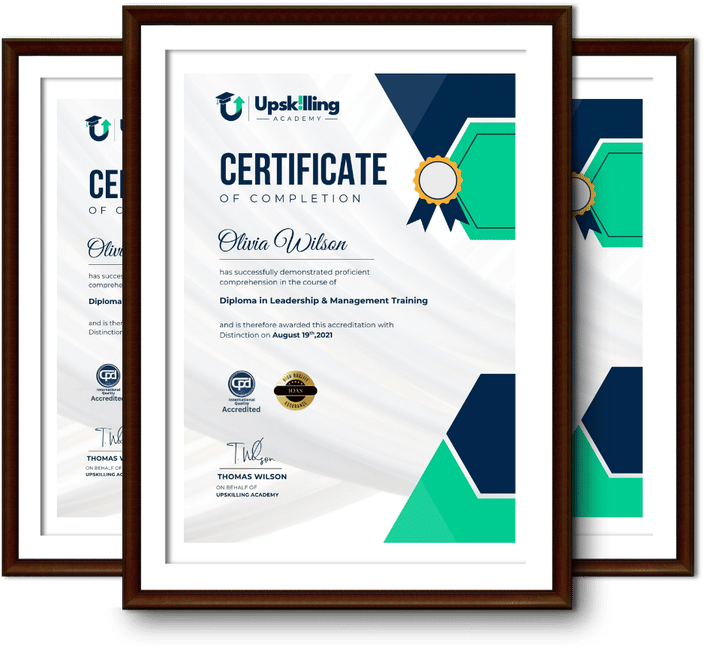
Framed Upskilling Academy certificates of completion

Course Reviews

Christine Ferguson

My experience with you was fantastic and easy to navigate. I'm looking forward to taking the course.

Jesse Harding

Provided highly informative and helpful responses, with quick and efficient replies.

Gary Schwartz

The course selection is broad, engaging, easy to follow, and offers a good challenge.

Bailey Burrows

Excellent course with user-friendly website navigation, making it easy to follow. I'm really enjoying the experience.

Benjamin Moreno

Great course with valuable information. Easy to follow, and I appreciated the flexibility to work at my own pace.

Quality Accreditation

  • incensu Registered Education Supplier
  • Association of Healthcare Trainers member
  • The CPD Group approved provider #790985
  • Disability Confident Committed

FAQ for Level 3 Certificate in Avoiding Rear-End Collisions – Light Vehicles

How do I access my course?

Once you complete your purchase, you’ll receive access to your course through your Upskilling Academy account. You can log in and access your learning materials online at any time.

How long do I have access to the course?

Your access period depends on the course and the package you purchase. Please check the course details or your order information for the applicable access period.

Can I study at my own pace?

Yes. Upskilling Academy courses are designed to provide flexible online learning, allowing you to study at a pace that suits your schedule.

Will I receive a certificate?

Certificate availability varies by course. Where a certificate is included, you’ll receive information about the requirements and how to obtain it within the course or upon completion.

Are the courses suitable for beginners?

Many courses are suitable for beginners, while others may assume some previous knowledge. Please review the individual course description for information about the recommended level and prerequisites.