Upskilling Academy
Trusted by 3 million learners 24/7 online training Money back guarantee Fully accredited courses
Level 3 Aviation Meteorologist Thumbnail Lifetime Access
Sale

Level 3 Aviation Meteorologist

Aviation Meteorologist Overview Weather is a constant companion and formidable challenge for the aviation industry. From turbulent storms…

Best Seller Limited Time Offer
Last Updated 18 Sep 2026 352 Enrolled English Flexible Schedule

Access to 1500+ Courses with free CPD Certificates for Only £99 Get Now

What you will learn

  • - Gain specialized knowledge in aviation weather forecasting and analysis
  • - Enhance flight safety by understanding and predicting hazardous weather conditions
  • - Improve decision-making skills for flight planning and operations
  • - Increase employability in aviation, meteorology, and related industries
  • - Learn to use advanced meteorological tools and technologies
  • - Build a strong foundation for pursuing further certifications or advanced studies
  • - Connect with experienced professionals and expand your professional network

Description

Aviation Meteorologist

Overview

Weather is a constant companion and formidable challenge for the aviation industry. From turbulent storms to fog-bound runways, meteorological phenomena influence nearly every aspect of aviation operations. The Aviation Meteorologist course delves into the intricate relationship between atmospheric science and aviation safety. Whether you are an aspiring weather scientist, a pilot-in-training, or an aviation enthusiast, this comprehensive course equips you with the essential knowledge and skills to understand, forecast, and mitigate weather-related risks in aviation.

Description

This course is designed to bridge the gap between traditional meteorology and the specialized needs of aviation. It explores both theoretical principles and their practical application, setting a strong foundation in atmospheric dynamics, weather observation, and the interpretation of meteorological data crucial to flight safety and operational planning.

  • Foundations of Meteorology: Gain an in-depth understanding of atmospheric composition, weather systems, and synoptic meteorology, with a focus on phenomena relevant to aeronautics such as jet streams, wind shear, and turbulence.
  • Tools and Technologies: Explore the technological advancements and tools available to aviation meteorologists, including satellite imagery, radar systems, and automated weather stations. Learn how these technologies are deployed in real-world aviation operations.
  • Flight Weather Briefings: Develop the ability to interpret, assemble, and communicate weather briefings. Understand meteorological codes such as METARs, TAFs, and SIGMETs, and how to relay critical information to pilots and air traffic controllers.
  • Operational Meteorology for Aviation: Study the interaction between aviation operations and weather, including airport meteorological services, weather hazards (thunderstorms, icing, microbursts), and strategies for decision-making under uncertainty.
  • Case Studies and Practical Simulations: Participate in hands-on forecasting exercises and scenario-based simulations to apply concepts in real-time, enhancing situational awareness and decision-making skills.

This course culminates in a capstone project, where students synthesize meteorological data to develop an actionable weather forecast and briefing for a hypothetical airline, integrating their technical knowledge and communication skills.

Career Path

Upon completion, students will possess the fundamental expertise to pursue a variety of career paths in meteorology and aviation:

  • Aviation Meteorologist: Work for national weather services, civil aviation authorities, airlines, and private meteorological consultancies, providing specialized forecasts and weather assessments for flight operations.
  • Flight Dispatcher: Use meteorological insights to assist pilots in flight planning, route selection, and in-flight decision-making, ensuring safety and efficiency.
  • Air Traffic Management Specialist: Collaborate with air traffic controllers to optimize airspace utilization and reduce weather-related delays.
  • Researcher or Academic: Contribute to the science of aviation meteorology through research, teaching, or policy advising.
  • Weather Systems Technician: Install, maintain, and upgrade weather monitoring and reporting technologies for airports and aviation authorities.

In addition to technical roles, the course also benefits pilots, flight instructors, and aviation safety officers seeking to deepen their understanding of weather hazards and risk management strategies.

Who Is This Course For?

The Aviation Meteorologist course is tailored for a diverse audience with an interest in both meteorology and aviation. The course is ideal for:

  • University students and graduates in meteorology, atmospheric sciences, or related disciplines aiming to specialize in aviation.
  • Professional meteorologists seeking to transition into aviation-focused roles.
  • Pilots and flight crew members who desire a more in-depth knowledge of meteorological phenomena impacting flight safety.
  • Flight dispatchers, air traffic controllers, and aviation safety managers looking to enhance their weather forecasting acumen.
  • Enthusiasts and hobbyists with a keen interest in weather and aviation, desiring scientific and practical knowledge.

No prior aviation experience is required, though a basic familiarity with fundamental meteorological concepts or aviation operations will be beneficial.

Requirements

  • Educational Background: A high school diploma or equivalent is essential. A background in science (physics, mathematics, earth science, or computer science) is advantageous, especially for advanced topics.
  • Technical Proficiency: Comfort with using computers and standard office software is necessary, as many exercises involve digital weather data analysis and simulation tools.
  • Language Proficiency: Instruction is delivered in English. Competence in reading, writing, and oral communication is required for full participation in discussions, assignments, and presentations.
  • Access to Technology: Students should have regular internet access, a computer or laptop capable of running meteorological software, and the ability to view multimedia content.
  • Motivation and Curiosity: Above all, a genuine interest in meteorology, aviation, and the interplay between the two is key to making the most of this learning experience.

Throughout the course, all necessary reading materials, data sets, and simulation software will be provided or made available as open-source resources. There are no hidden costs or proprietary tools required for successful completion.

Course Curriculum

Course Content

Module 1 Introduction to Meteorology for Aviation

  • Lesson 1 Introduction to Meteorology for Aviation

Module 2 Atmospheric Composition and Structure

Module 3 Atmospheric Pressure and Wind

Module 4 Moisture and Atmospheric Stability

Module 5 Atmospheric Pressure and Altitude

Module 6 Air Masses and Fronts

Who should take the course

  • - Aspiring meteorologists interested in aviation
  • - Current meteorologists seeking aviation specialization
  • - Pilots who want deeper weather knowledge
  • - Air traffic controllers needing weather expertise
  • - Aviation dispatchers and planners
  • - Airport operations staff
  • - Students pursuing aeronautical or meteorological studies

Certificate for Success at Every Step

  • No expiry date. You can keep and use the certificate forever.
  • Recognised across various UK industries.
  • Increases your chances of employability.
  • Boosts your professional credibility.
  • Shows you're up to date with industry knowledge.
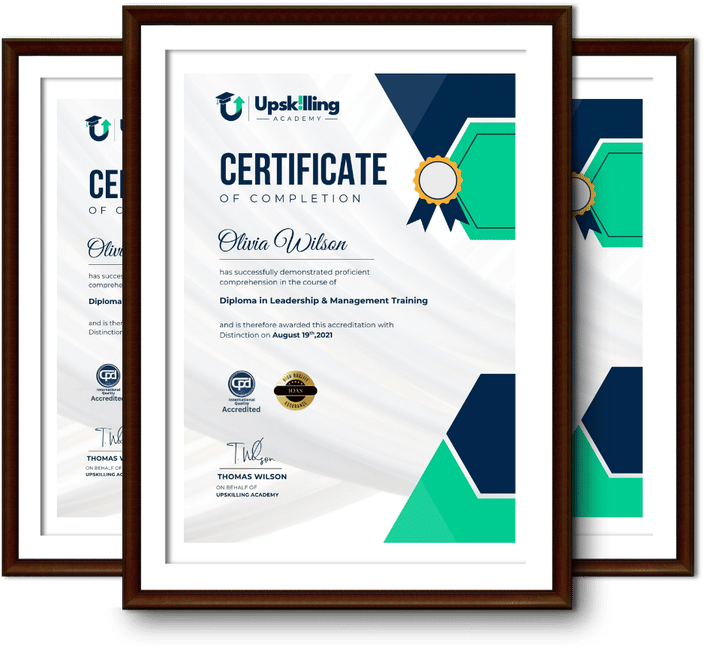
Framed Upskilling Academy certificates of completion

Course Reviews

Christine Ferguson

My experience with you was fantastic and easy to navigate. I'm looking forward to taking the course.

Jesse Harding

Provided highly informative and helpful responses, with quick and efficient replies.

Gary Schwartz

The course selection is broad, engaging, easy to follow, and offers a good challenge.

Bailey Burrows

Excellent course with user-friendly website navigation, making it easy to follow. I'm really enjoying the experience.

Benjamin Moreno

Great course with valuable information. Easy to follow, and I appreciated the flexibility to work at my own pace.

Quality Accreditation

  • incensu Registered Education Supplier
  • Association of Healthcare Trainers member
  • The CPD Group approved provider #790985
  • Disability Confident Committed

FAQ for Level 3 Aviation Meteorologist

How do I access my course?

Once you complete your purchase, you’ll receive access to your course through your Upskilling Academy account. You can log in and access your learning materials online at any time.

How long do I have access to the course?

Your access period depends on the course and the package you purchase. Please check the course details or your order information for the applicable access period.

Can I study at my own pace?

Yes. Upskilling Academy courses are designed to provide flexible online learning, allowing you to study at a pace that suits your schedule.

Will I receive a certificate?

Certificate availability varies by course. Where a certificate is included, you’ll receive information about the requirements and how to obtain it within the course or upon completion.

Are the courses suitable for beginners?

Many courses are suitable for beginners, while others may assume some previous knowledge. Please review the individual course description for information about the recommended level and prerequisites.