Upskilling Academy
Trusted by 3 million learners 24/7 online training Money back guarantee Fully accredited courses
Level 3 Certificate in Autism Thumbnail Lifetime Access
Sale

Level 3 Certificate in Autism

Autism Overview Understanding autism is essential in today’s world, where neurodiversity is increasingly being recognized and valued. The…

Best Seller Limited Time Offer
Last Updated 18 Sep 2026 352 Enrolled English Flexible Schedule

Access to 1500+ Courses with free CPD Certificates for Only £99 Get Now

What you will learn

  • - Gain a deeper understanding of autism, including its characteristics and spectrum
  • - Learn evidence-based strategies for supporting individuals with autism
  • - Improve your ability to communicate and interact with autistic individuals
  • - Recognize and address common myths and misconceptions about autism
  • - Enhance your skills for creating inclusive environments in schools, workplaces, or communities
  • - Build empathy and awareness to foster acceptance and respect
  • - Access practical tools and resources for ongoing support

Description

Autism

Overview

Understanding autism is essential in today’s world, where neurodiversity is increasingly being recognized and valued. The Autism course provides a comprehensive introduction and deep dive into the complexities of Autism Spectrum Disorder (ASD). This course aims to build a foundational and advanced understanding of autism, its characteristics, and effective approaches for support and inclusion. Whether you are a healthcare professional, an educator, a caregiver, or simply interested in gaining insight into ASD, this course offers essential knowledge and practical strategies rooted in scientific research and lived experiences.

Description

This course is structured to guide learners from fundamental concepts to more nuanced understanding about autism. Autism Spectrum Disorder is a developmental condition characterized by differences in social communication, repetitive behaviors, and unique strengths and challenges. The course explores the history, diagnosis, and current research trends surrounding ASD. You will gain insight into recognizing early signs, understanding sensory and communication needs, navigating educational systems, and fostering environments of belonging for autistic individuals.

Through a blend of lectures, case studies, interactive assignments, and guest interviews with autistic self-advocates, you will become familiar with the lived reality of people on the spectrum. You will also examine contemporary debates, such as controversies over treatment options, the neurodiversity movement, and autism representation in the media. Hands-on modules will focus on evidence-based support strategies, effective advocacy, and practical communication skills. By the end of this course, you will be equipped to contribute positively in personal, educational, clinical, or community settings to the well-being of autistic individuals.

  • Module 1: Introduction to Autism Spectrum Disorder: Historical Perspectives & Current Definitions
  • Module 2: Diagnostic Criteria, Assessment Tools, and Early Signs
  • Module 3: Social Communication and Behavioral Differences
  • Module 4: Sensory Profiles, Special Interests, and Daily Life Challenges
  • Module 5: Strategies for Support: Education, Therapies, and Daily Living
  • Module 6: Advocacy, Neurodiversity, and Building Inclusive Communities
  • Module 7: Current Research Trends and the Future of Autism Studies

Upon completion, you will have an in-depth appreciation of the vast spectrum that is autism, a toolkit of resources and strategies for effective support, and the awareness required to confront stigma and advocate for systemic change.

Career Path

The knowledge and skills acquired in this course are invaluable across multiple career and life pathways:

  • Education: Teachers, educational assistants, and school counselors will be empowered to create inclusive learning environments, facilitate differentiated instruction, and communicate effectively with students and families.
  • Healthcare: Nurses, physicians, occupational therapists, speech therapists, and mental health professionals will enhance their clinical practice with a better understanding of diagnostic procedures, effective interventions, and person-centered care for autistic individuals of all ages.
  • Social Services and Advocacy: Social workers, case managers, policy-makers, and non-profit workers can support and advocate for neurodiverse individuals in communities, helping influence policy and champion human rights.
  • Research: Aspiring psychologists, neuroscientists, and scholars will lay a strong foundation for further study, research, or innovation in autism-related fields.
  • Families and Caregivers: Parents, guardians, siblings, or any loved ones will acquire practical strategies and a deeper understanding for supporting autistic family members.
  • Corporate Diversity & Inclusion: HR professionals and employers will discover best practices for embracing neurodiversity in the workplace and supporting autistic team members through reasonable adjustments.

Graduates of this course will be prepared to make informed decisions, implement supportive practices, advocate for policy change, and contribute to ongoing dialogue and progress in the field of autism. Whether entering the workforce, advancing an existing career, or supporting friends and family, you will have the confidence and competence to make a positive impact.

Who Is This Course For?

This Autism course is intentionally designed to welcome a wide range of learners, including but not limited to:

  • Educators and school administrators seeking better approaches for inclusive teaching
  • Healthcare providers and allied health professionals aiming to improve patient care for autistic individuals
  • Students and researchers interested in neurology, psychology, or education
  • Social workers and community advocates focused on disability rights and support
  • Parents, siblings, and other family members of children or adults with autism
  • Individuals on the autism spectrum (self-advocates) who wish to share their perspectives or learn about current research
  • Employers and HR professionals aiming to foster neuroinclusive workplaces
  • Anyone seeking a comprehensive understanding of autism and effective ways to support neurodivergent individuals

No prior experience is required—just a willingness to learn, challenge misconceptions, and contribute to a more inclusive society.

Requirements

  • Interest and Openness: A genuine interest in autism, neurodiversity, and inclusion is essential. An empathetic mindset will enhance your learning experience.
  • Technology Access: Internet access and a device capable of accessing course materials (lectures, readings, and interactive elements).
  • Language: Proficiency in English, as instruction, readings, and discussions will be conducted in English.
  • Participation: Willingness to engage in discussions, activities, and reflective assignments, as these are integral to comprehensive understanding.
  • No Prior Knowledge Needed: The course is beginner-friendly and does not presuppose any prior academic or professional background in autism.

Optional but beneficial: Previous experience working with or supporting neurodiverse individuals, exposure to introductory psychology or education courses, and a curiosity for learning about human diversity and development.

Course Curriculum

Course Content

Module 1_ Introduction to Autism Spectrum Disorder (ASD)

  • Lesson 1_ Introduction to Autism Spectrum Disorder (ASD)

Module 2_ Characteristics and Behaviors of Individuals with ASD

Module 3_ Understanding Neurodiversity

Module 4_ Educational Strategies for Individuals with ASD

Module 5_ Behavioral Interventions and Supports

Module 6_ Supporting Social Skills Development

Who should take the course

  • - Parents or guardians of children with autism
  • - Teachers and school staff working with autistic students
  • - Healthcare professionals seeking basic autism knowledge
  • - Support workers or caregivers for autistic individuals
  • - Social workers interacting with families affected by autism
  • - Early childhood educators
  • - Anyone interested in learning more about autism

Certificate for Success at Every Step

  • No expiry date. You can keep and use the certificate forever.
  • Recognised across various UK industries.
  • Increases your chances of employability.
  • Boosts your professional credibility.
  • Shows you're up to date with industry knowledge.
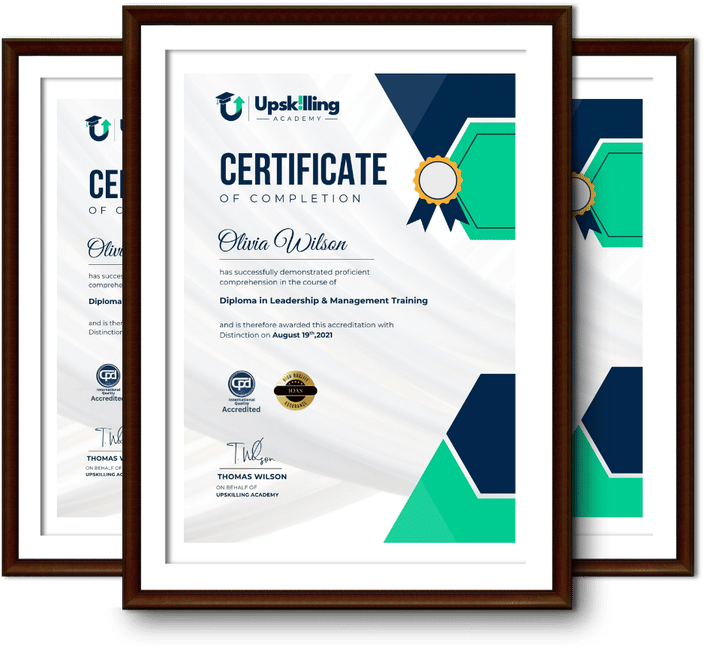
Framed Upskilling Academy certificates of completion

Course Reviews

Christine Ferguson

My experience with you was fantastic and easy to navigate. I'm looking forward to taking the course.
Jesse Harding

Provided highly informative and helpful responses, with quick and efficient replies.

Gary Schwartz

The course selection is broad, engaging, easy to follow, and offers a good challenge.

Bailey Burrows

Excellent course with user-friendly website navigation, making it easy to follow. I'm really enjoying the experience.

Benjamin Moreno

Great course with valuable information. Easy to follow, and I appreciated the flexibility to work at my own pace.

Quality Accreditation

  • incensu Registered Education Supplier
  • Association of Healthcare Trainers member
  • The CPD Group approved provider #790985
  • Disability Confident Committed

FAQ for Level 3 Certificate in Autism

How do I access my course?

Once you complete your purchase, you’ll receive access to your course through your Upskilling Academy account. You can log in and access your learning materials online at any time.

How long do I have access to the course?

Your access period depends on the course and the package you purchase. Please check the course details or your order information for the applicable access period.

Can I study at my own pace?

Yes. Upskilling Academy courses are designed to provide flexible online learning, allowing you to study at a pace that suits your schedule.

Will I receive a certificate?

Certificate availability varies by course. Where a certificate is included, you’ll receive information about the requirements and how to obtain it within the course or upon completion.

Are the courses suitable for beginners?

Many courses are suitable for beginners, while others may assume some previous knowledge. Please review the individual course description for information about the recommended level and prerequisites.