Upskilling Academy
Trusted by 3 million learners 24/7 online training Money back guarantee Fully accredited courses
Level 3 Certificate in Architecture Thumbnail Lifetime Access
Sale

Level 3 Certificate in Architecture

Architecture Overview The field of Architecture stands as both an art and a science, fusing creativity with structural…

Best Seller Limited Time Offer
Last Updated 17 Sep 2026 352 Enrolled English Flexible Schedule

Access to 1500+ Courses with free CPD Certificates for Only £99 Get Now

What you will learn

  • - Develop a strong foundation in architectural design and theory
  • - Enhance problem-solving and critical-thinking skills
  • - Gain practical experience through studio projects and real-world case studies
  • - Learn to use industry-standard design software and tools
  • - Understand sustainable and innovative building practices
  • - Build a professional portfolio to showcase your work
  • - Prepare for diverse career opportunities in architecture and related fields

Description

Architecture

Overview

The field of Architecture stands as both an art and a science, fusing creativity with structural principles to shape the built environment around us. This comprehensive course introduces students to the fundamental concepts, history, design processes, and emerging trends in architecture. Participants will gain a deep appreciation for the way structures are conceived, planned, and built, as well as the theoretical and practical considerations that guide architects in shaping spaces that are functional, sustainable, and aesthetically pleasing. Students will have the opportunity to engage with real-world case studies, design exercises, and collaborative projects that simulate the professional experiences of architects worldwide.

Description

The Architecture course is crafted to provide a thorough grounding in both architectural theory and practice. Beginning with the historical evolution of architectural styles, students will explore ancient, classical, modern, and contemporary movements, learning to recognize and interpret the impact of cultural and technological advancements on the built environment. Subsequent modules delve into architectural drawing and visualization, including manual sketching, digital rendering, and building information modeling (BIM).

Building on this foundation, the curriculum addresses key topics such as site analysis, environmental impact, materials science, structural systems, and the ethics and responsibilities of architects. Students are introduced to the design process—from initial concept sketches to the completion of detailed construction documents—using industry-standard methods and tools.

Collaboration and communication are crucial competencies in architecture. This course incorporates group projects that mimic professional practice, allowing students to experience client briefs, design reviews, and interdisciplinary teamwork. Additionally, guest lectures from practicing architects and virtual field trips to iconic buildings enhance the learning experience.

Emerging trends such as sustainable and green architecture, smart buildings, and urban planning will be examined, preparing students to address the challenges of tomorrow’s cities. By the end of the course, participants will have developed a personal design portfolio showcasing their conceptual and practical skills, readying them for further study or entry-level roles in the field.

Career Path

  • Architect: Graduates may pursue licensure and professional practice as architects, designing buildings and overseeing construction.
  • Urban Planner: Professionals who influence the development and organization of cities, incorporating sustainability and livable design principles.
  • Interior Designer: Experts in creating harmonious internal spaces within various building types, focusing on both aesthetics and functionality.
  • Landscape Architect: Specialists in the planning and design of outdoor spaces, parks, and recreational facilities.
  • Construction Project Manager: Individuals who ensure architectural projects are completed on schedule, within budget, and to quality standards.
  • BIM Specialist / Design Technologist: Either as part of an architecture firm or as a consultant, specializing in digital modeling, documentation, and visualization.
  • Academic / Researcher: Opportunities exist for those interested in teaching, writing, or engaging in research on architectural history, theory, or new technologies.
  • Historic Preservationist: Professionals dedicated to preserving, restoring, and adapting historic buildings for contemporary use.

Who Is This Course For?

  • Prospective Architecture Students: Individuals considering undergraduate or postgraduate studies in the architectural field who want a comprehensive foundation.
  • Career Changers: Professionals from other disciplines interested in transitioning to architecture, urban planning, interior or landscape design.
  • Design Enthusiasts: Passionate individuals who appreciate the built environment and wish to develop or refine their design thinking and visualization skills.
  • Construction Professionals: Those already engaged in the construction industry seeking to broaden their understanding of architectural processes and standards.
  • Community Advocates: Planners, policymakers, and activists who desire knowledge of architectural principles to inform projects related to sustainable development and urban regeneration.
  • Continuing Education Students: Anyone currently working in or adjacent to architecture and wishing to stay current with best practices and emerging technologies.

Requirements

  • Prerequisites: Although no formal background in architecture is required, a general interest in design, mathematics, and art is recommended. Basic familiarity with geometry, physics, and digital tools will be helpful.
  • Technical Requirements: Access to a computer or tablet capable of running design and modeling software (such as AutoCAD, SketchUp, or Revit) is highly encouraged. Occasional use of hand drawing materials (pencils, sketchbooks, rulers) will also be necessary.
  • Time Commitment: Students should expect to commit approximately 10–12 hours per week for lectures, readings, practical exercises, and project work. Some assignments may involve collaborative group activities outside of regular course hours.
  • Language: All instruction, communications, and assessments will be conducted in English. Proficiency in reading and writing English is essential for successful completion.
  • Portfolio Development: Students will be expected to document their progress and submit a collection of work demonstrating their conceptual and technical competency by the end of the course.

If you are eager to unlock your creative potential, contribute to the shaping of spaces and communities, and embark on a rewarding career, the Architecture course offers the ideal launching pad. Join us to explore fundamental ideas, develop your technical proficiency, and shape a built environment for the future!

Course Curriculum

Course Content

Architecture_ Module 1- Introduction to Architectural Studies

  • Architecture_ Lesson 1- Introduction to Architectural Studies

Architecture_ Module 2- Ancient Architecture

Architecture_ Module 3- Architectural Concepts and Movements

Architecture_ Module 4- Architectural Styles

Architecture_ Module 5- Art Deco Architectural Style

Architecture_ Module 6- Modern and Post-Modern Architectural Style

Architecture_ Module 7- Interior Designing

Architecture_ Module 8- Colour in Interior Designing

Architecture_ Module 9- Lighting in Interior Designing Part I

Architecture_ Module 10- Lighting in Interior Designing Part II

Who should take the course

  • - High school students interested in pursuing a career in architecture
  • - College students considering a major in architecture or related fields
  • - Working professionals wanting to switch to an architecture career
  • - Architecture enthusiasts seeking to deepen their understanding
  • - Artists and designers wanting to incorporate architectural concepts
  • - Homeowners interested in designing or renovating their own spaces
  • - Anyone curious about the fundamentals of architecture

Certificate for Success at Every Step

  • No expiry date. You can keep and use the certificate forever.
  • Recognised across various UK industries.
  • Increases your chances of employability.
  • Boosts your professional credibility.
  • Shows you're up to date with industry knowledge.
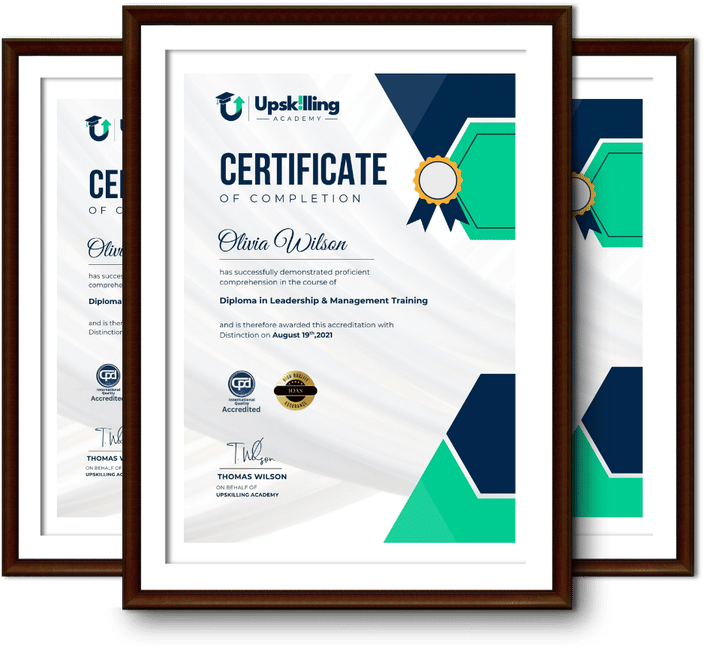
Framed Upskilling Academy certificates of completion

Course Reviews

Christine Ferguson

My experience with you was fantastic and easy to navigate. I'm looking forward to taking the course.

Jesse Harding

Provided highly informative and helpful responses, with quick and efficient replies.

Gary Schwartz

The course selection is broad, engaging, easy to follow, and offers a good challenge.

Bailey Burrows

Excellent course with user-friendly website navigation, making it easy to follow. I'm really enjoying the experience.

Benjamin Moreno

Great course with valuable information. Easy to follow, and I appreciated the flexibility to work at my own pace.

Quality Accreditation

  • incensu Registered Education Supplier
  • Association of Healthcare Trainers member
  • The CPD Group approved provider #790985
  • Disability Confident Committed

FAQ for Level 3 Certificate in Architecture

How do I access my course?

Once you complete your purchase, you’ll receive access to your course through your Upskilling Academy account. You can log in and access your learning materials online at any time.

How long do I have access to the course?

Your access period depends on the course and the package you purchase. Please check the course details or your order information for the applicable access period.

Can I study at my own pace?

Yes. Upskilling Academy courses are designed to provide flexible online learning, allowing you to study at a pace that suits your schedule.

Will I receive a certificate?

Certificate availability varies by course. Where a certificate is included, you’ll receive information about the requirements and how to obtain it within the course or upon completion.

Are the courses suitable for beginners?

Many courses are suitable for beginners, while others may assume some previous knowledge. Please review the individual course description for information about the recommended level and prerequisites.

Level 3 Certificate in Architecture Thumbnail Lifetime Access
Sale

Level 3 Certificate in Architecture

Architecture Overview The Architecture course provides a comprehensive foundation in the art and science of designing buildings, spaces,…

Best Seller Limited Time Offer
Last Updated 17 Sep 2026 352 Enrolled English Flexible Schedule

Access to 1500+ Courses with free CPD Certificates for Only £99 Get Now

What you will learn

  • - Gain a strong foundation in architectural design and history
  • - Develop critical thinking and creative problem-solving skills
  • - Learn to use industry-standard design software and tools
  • - Build a professional portfolio to showcase your projects
  • - Understand sustainable and environmentally responsible design principles
  • - Improve teamwork and communication skills through group projects
  • - Prepare for diverse career opportunities in architecture and related fields

Description

Architecture

Overview

The Architecture course provides a comprehensive foundation in the art and science of designing buildings, spaces, and environments. Tailored for aspiring architects, design enthusiasts, and professionals seeking theoretical and practical knowledge, this course delves into the principles of architectural design, historical context, sustainable practices, and digital technologies. Through a combination of lectures, hands-on projects, case studies, and studio assignments, students will gain an in-depth understanding of how architecture shapes and responds to human needs, societal trends, and environmental challenges.

With a curriculum shaped by industry experts and leading academics, this course encourages critical thinking, creative exploration, and technical proficiency. Whether you are considering a career in architecture or simply wish to broaden your appreciation for the built environment, this course is designed to ignite your curiosity and strengthen your design skills.

Description

This course offers an immersive introduction to the multi-faceted world of architecture. Spanning from ancient to contemporary practices, the coursework is organized into modules that cover:

  • Architectural History and Theory: Examine the evolution of architecture across cultures and time periods, from the earliest shelters to iconic modern works. Explore architectural movements, theories, and their impact on communities and cultures.
  • Design Principles and Studio Practice: Learn the fundamental principles of composition, form, function, and spatial organization. Apply these concepts in hands-on studio assignments that challenge you to solve real-world design problems.
  • Building Technologies: Understand the materials and methods used in building construction, structural systems, and the integration of new technologies, including BIM (Building Information Modeling), CAD (Computer-Aided Design), and sustainable design tools.
  • Sustainability and Environmental Design: Address global concerns through sustainable site planning, passive design strategies, energy-efficient building systems, and responsible material selection.
  • Professional Practice: Explore the business side of architecture, including project management, ethics, legal frameworks, and codes of conduct necessary to practice as an architect.

Throughout the course, students will develop their own design projects, receive feedback from instructors and peers, and build a portfolio that showcases their skills and growth. The integration of theory, technology, and practice ensures graduates are well-prepared for the trifold demands of architecture: creativity, technical expertise, and ethical responsibility.

Career Path

A background in architecture opens doors to a diverse array of career paths. Skills acquired in this course are highly regarded in many industries, both within and outside traditional architectural practice. Graduates may pursue such careers as:

  • Architect: Work with architectural firms or as an independent practitioner designing residential, commercial, or public buildings.
  • Urban Planner and Designer: Collaborate with city planners to create functional and aesthetic urban environments.
  • Interior Designer: Specialize in designing interiors that are both beautiful and practical.
  • Landscape Architect: Design outdoor spaces, parks, and gardens with attention to ecology and human experience.
  • Construction Manager: Oversee the building process to ensure projects are completed on budget, on time, and to specification.
  • Sustainability Consultant: Advise organizations on sustainable building practices and environmental responsibility.
  • Digital Fabrication Specialist: Explore frontiers in parametric design, 3D printing, and advanced construction technologies.
  • Academia and Research: Contribute to the body of architectural knowledge as an educator or researcher.

Other related roles include architectural visualization specialist, building inspector, historic preservationist, real estate developer, and more. The course encourages entrepreneurial thinking, preparing students for both employment and independent practice.

Who Is This Course For?

This course is designed to accommodate a broad audience with varying levels of experience and interest. You will benefit greatly from this course if you are:

  • Aspiring Architects: High school graduates or college students considering architecture as a profession.
  • Design Enthusiasts: Individuals interested in architecture, design, or urbanism aiming to deepen their understanding of these fields.
  • Built Environment Professionals: Those already engaged in related fields (civil engineering, construction, real estate) who wish to broaden their expertise.
  • Career Changers: Professionals from other backgrounds seeking to transition into the architectural or design industries.
  • Educators and Community Leaders: Teachers, activists, and community planners interested in how architecture affects society and the environment.

No previous experience in architecture is required, though a passion for design, critical thinking, and creative problem-solving will help you make the most of the course. Supportive learning environments are provided, with mentoring and peer interaction at every stage.

Requirements

To ensure a productive and meaningful experience, students should meet the following requirements:

  • Educational Background: A high school diploma or equivalent is recommended. The course is suitable for beginners as well as those with some prior exposure to art, mathematics, or science.
  • Technical Skills: Basic computer literacy is essential. Familiarity with design software is helpful but not required; introductory sessions on graphic and design tools will be provided.
  • Materials and Equipment: Access to a computer with internet connectivity, drawing materials (sketchbook, pencils, ruler), and a digital camera or smartphone is recommended for project documentation.
  • Time Commitment: Students should be prepared to dedicate between 8 to 12 hours per week for lectures, readings, exercises, and project work.
  • Software: While not mandatory at the outset, students may be required to download and learn architectural software like AutoCAD, SketchUp, or Revit as the course progresses. Free or student-licensed versions will be recommended wherever possible.
  • Participation: Active participation in critiques, group work, and discussion forums is expected for a rich educational experience.

With these requirements met, you are well-positioned to make the most of this transformative journey into the world of architecture.

Course Curriculum

Course Content

Module 1_ Introduction to Architecture

  • Lesson 1_ Introduction to Architecture

Module 2_ Structural Engineering

Module 3_ Building Materials and Methods

Module 4_ Structural Systems

Module 5_ Building Regulations and Standards

Module 6_ Building Design and Technology

Module 7_ Urban Design and Planning

Module 8_ Historic Preservation and Conservation

Module 9_ Professional Practice and Ethics

Who should take the course

  • - High school graduates interested in pursuing a career in architecture
  • - College students considering a major in architecture or design
  • - Professionals seeking a foundational understanding of architectural concepts
  • - Individuals preparing for architecture school entrance exams
  • - Hobbyists and enthusiasts keen to learn about building design
  • - Artists and designers wanting to expand their knowledge of spatial planning
  • - Anyone curious about the basics of architecture and its role in society

Certificate for Success at Every Step

  • No expiry date. You can keep and use the certificate forever.
  • Recognised across various UK industries.
  • Increases your chances of employability.
  • Boosts your professional credibility.
  • Shows you're up to date with industry knowledge.
Framed Upskilling Academy certificates of completion

Course Reviews

Christine Ferguson

My experience with you was fantastic and easy to navigate. I'm looking forward to taking the course.

Jesse Harding

Provided highly informative and helpful responses, with quick and efficient replies.

Gary Schwartz

The course selection is broad, engaging, easy to follow, and offers a good challenge.

Bailey Burrows

Excellent course with user-friendly website navigation, making it easy to follow. I'm really enjoying the experience.

Benjamin Moreno

Great course with valuable information. Easy to follow, and I appreciated the flexibility to work at my own pace.

Quality Accreditation

  • incensu Registered Education Supplier
  • Association of Healthcare Trainers member
  • The CPD Group approved provider #790985
  • Disability Confident Committed

FAQ for Level 3 Certificate in Architecture

How do I access my course?

Once you complete your purchase, you’ll receive access to your course through your Upskilling Academy account. You can log in and access your learning materials online at any time.

How long do I have access to the course?

Your access period depends on the course and the package you purchase. Please check the course details or your order information for the applicable access period.

Can I study at my own pace?

Yes. Upskilling Academy courses are designed to provide flexible online learning, allowing you to study at a pace that suits your schedule.

Will I receive a certificate?

Certificate availability varies by course. Where a certificate is included, you’ll receive information about the requirements and how to obtain it within the course or upon completion.

Are the courses suitable for beginners?

Many courses are suitable for beginners, while others may assume some previous knowledge. Please review the individual course description for information about the recommended level and prerequisites.