Upskilling Academy
Trusted by 3 million learners 24/7 online training Money back guarantee Fully accredited courses
Level 3 Certificate in Anti Social Behaviour Thumbnail Lifetime Access
Sale

Level 3 Certificate in Anti Social Behaviour

Anti Social Behaviour Overview Anti-social behaviour is recognized worldwide as a collection of actions or attitudes that infringe…

Best Seller Limited Time Offer
Last Updated 23 Sep 2026 352 Enrolled English Flexible Schedule

Access to 1500+ Courses with free CPD Certificates for Only £99 Get Now

What you will learn

  • - Gain a clear understanding of what constitutes anti-social behaviour and its impact on communities
  • - Learn practical strategies to identify and address anti-social actions effectively
  • - Improve your confidence in managing challenging situations involving anti-social behaviour
  • - Develop communication skills to engage with individuals displaying disruptive behaviours
  • - Understand relevant laws and regulations related to anti-social behaviour
  • - Enhance your ability to create safer and more harmonious environments
  • - Build the knowledge needed to support victims and promote positive community relations

Description

Anti Social Behaviour

Overview

Anti-social behaviour is recognized worldwide as a collection of actions or attitudes that infringe on the comfort, safety, and well-being of individuals or communities. Understanding the complexities behind anti-social conduct is essential for professionals working in law enforcement, social care, education, urban planning, housing, and the justice system. This course provides a comprehensive exploration into the various facets of anti-social behaviour (ASB), its causes, impacts, and the frameworks used to address or prevent it within different settings. Whether you are aiming for a career in public service or simply wish to deepen your understanding of societal challenges, this course will empower you with the knowledge and tools needed to effectively engage with, respond to, and ultimately reduce anti-social behaviour.

Description

This in-depth course on Anti Social Behaviour examines the phenomenon from historical, sociological, psychological, and legal perspectives. Students will delve into the definitions and types of anti-social behaviour, ranging from minor disturbances such as noise complaints to serious acts like vandalism, harassment, or public disorder. Through case studies, current legislation analysis, and practical intervention design, participants will gain insights into both the root causes and the societal impact of ASB.

Key themes covered include:

  • Defining Anti-Social Behaviour: Understand the various forms and gradations of ASB, and how they are identified in different jurisdictions.
  • Roots and Risk Factors: Explore socio-economic, familial, cultural, psychological, and environmental factors that contribute to anti-social actions.
  • Legal and Policy Frameworks: Study the laws, policy instruments, and best practices for managing ASB, including the role of agencies, local authorities, and community organizations.
  • Prevention and Intervention: Evaluate methods for preventing ASB, including early intervention programs, restorative approaches, mediation, and community projects.
  • Perspectives of Victims and Perpetrators: Examine how ASB impacts individuals, families, and communities, and consider evidence-based strategies for supporting both victims and offenders toward positive change.

The learning experience is enhanced by guest lectures from practitioners in policing, youth work, housing, and law, as well as real-life simulations and group projects. By the end of the course, students will have developed a nuanced understanding of anti-social behaviour along with hands-on skills for assessment, reporting, and implementing effective responses within a professional context.

Career Path

The breadth and practical nature of this course prepares graduates for a variety of impactful roles, including:

  • Law Enforcement and Community Police Officers: Supporting community initiatives and managing public order tasks.
  • Social and Youth Workers: Directly engaging with at-risk populations, devising intervention strategies, and working in rehabilitation or prevention programs.
  • Housing Officers and Community Managers: Handling tenant relations, mediating disputes, and generating positive neighbourhood environments.
  • Legal and Advisory Services: Navigating legal responses to ASB, advising victims or perpetrators, and supporting policy development.
  • Urban Planning and Local Authority Roles: Designing safer, more engaging public spaces and contributing to community cohesion efforts.

Further study or specialization in criminology, psychology, social policy, or public administration can be pursued, utilizing the knowledge and credentials gained in this course.

Who Is This Course For?

This course is designed for a wide spectrum of learners, including but not limited to:

  • Individuals aspiring to work in criminal justice, community policing, or social care sectors
  • Frontline workers encountering anti-social situations, wishing to deepen their practical knowledge
  • Council or housing association employees responsible for neighborhood cohesion or tenant relations
  • Nonprofit and charity staff tackling youth offending or community distress
  • Students in criminology, sociology, psychology, or public administration seeking an applied understanding of anti-social behaviour
  • Anyone interested in safeguarding communities, improving social environments, or responding effectively to challenging behaviours

Both professionals seeking career advancement and newcomers interested in societal issues are welcome. The course accommodates learners with varying levels of prior knowledge through a supportive, interdisciplinary approach.

Requirements

To ensure that every participant can fully benefit from the course, the following prerequisites and commitments are expected:

  • Academic Qualifications: A minimum of a high school diploma is recommended; some modules may cater to those with undergraduate backgrounds in social sciences or related fields, but no specialized prior education is required.
  • Language Proficiency: Proficiency in English to actively engage with reading materials, discussions, and written assessments.
  • Technical Access: Reliable internet connection and access to a computer or tablet for online lectures, resources, and submission of assignments.
  • Time Commitment: Dedicated study time of 4–6 hours weekly, including participation in discussions, completion of assignments, and engagement with case studies and group activities.
  • Personal Qualities: A genuine interest in understanding social problems, openness to diverse perspectives, and a commitment to ethical reflection and respectful engagement throughout all course activities.

No advanced experience in criminology or law is required, making this course accessible to motivated learners from all backgrounds.

Course Curriculum

Course Content

Module 1_ Introduction to Anti-Social Behaviour

  • Lesson 1_ Introduction to Anti-Social Behaviour

Module 2_ Legislation and Regulatory Framework

Module 3_ Causes and Risk Factors of Anti-Social Behaviour

Module 4_ Identifying and Reporting Anti-Social Behaviour

Module 5_ Community Safety and Prevention

Module 6_ Risk Assessment and Management

Module 7_ Intervention and Enforcement

Module 8_ Working with Victims and Witnesses

Module 9_ Multi-Agency Collaboration

Module 10_ Evaluation, Monitoring, and Best Practices

Who should take the course

  • - Community safety officers
  • - Housing association staff
  • - Police officers
  • - Local authority workers
  • - School and college support staff
  • - Security personnel
  • - Youth workers

Certificate for Success at Every Step

  • No expiry date. You can keep and use the certificate forever.
  • Recognised across various UK industries.
  • Increases your chances of employability.
  • Boosts your professional credibility.
  • Shows you're up to date with industry knowledge.
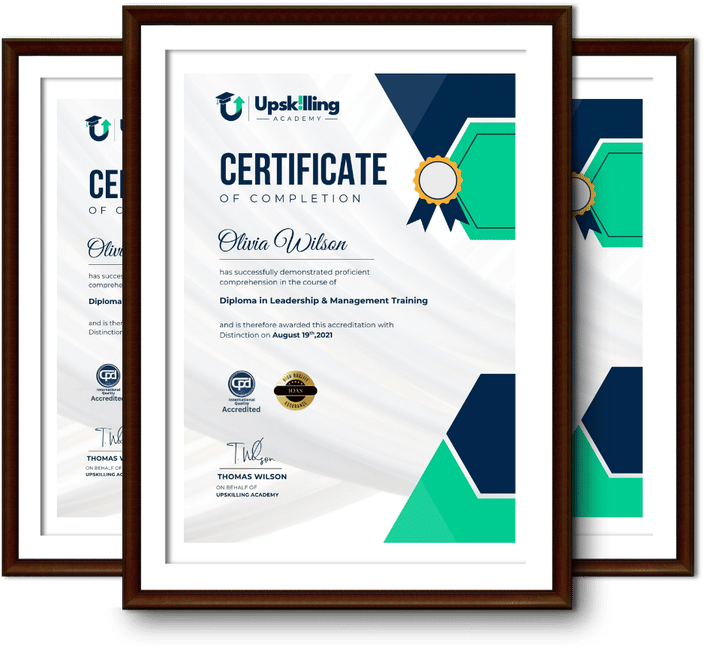
Framed Upskilling Academy certificates of completion

Course Reviews

Christine Ferguson

My experience with you was fantastic and easy to navigate. I'm looking forward to taking the course.

Jesse Harding

Provided highly informative and helpful responses, with quick and efficient replies.

Gary Schwartz

The course selection is broad, engaging, easy to follow, and offers a good challenge.

Bailey Burrows

Excellent course with user-friendly website navigation, making it easy to follow. I'm really enjoying the experience.

Benjamin Moreno

Great course with valuable information. Easy to follow, and I appreciated the flexibility to work at my own pace.

Quality Accreditation

  • incensu Registered Education Supplier
  • Association of Healthcare Trainers member
  • The CPD Group approved provider #790985
  • Disability Confident Committed

FAQ for Level 3 Certificate in Anti Social Behaviour

How do I access my course?

Once you complete your purchase, you’ll receive access to your course through your Upskilling Academy account. You can log in and access your learning materials online at any time.

How long do I have access to the course?

Your access period depends on the course and the package you purchase. Please check the course details or your order information for the applicable access period.

Can I study at my own pace?

Yes. Upskilling Academy courses are designed to provide flexible online learning, allowing you to study at a pace that suits your schedule.

Will I receive a certificate?

Certificate availability varies by course. Where a certificate is included, you’ll receive information about the requirements and how to obtain it within the course or upon completion.

Are the courses suitable for beginners?

Many courses are suitable for beginners, while others may assume some previous knowledge. Please review the individual course description for information about the recommended level and prerequisites.