






The best activities for adults with learning disabilities are enjoyable, meaningful and suited to the person’s own interests, abilities, communication style and support needs. They might include cooking, painting, gardening, swimming, music, walking, games, volunteering, community outings or practising everyday life skills.
The key is choice.
A learning disability affects everyone differently. Some adults may enjoy planning and completing activities independently, while others may benefit from visual prompts, adapted equipment, one-to-one support or sensory-based engagement.
Activities should therefore not be chosen simply because somebody has a particular diagnosis.
This guide provides more than 40 indoor, sensory, creative, physical, social and life-skills ideas, together with practical adaptations and a free weekly planner.
People sometimes search for activities for learning disabled adults; throughout this guide, we use the more common UK wording “adults with activities for adults with learning disabilities disabilities” and focus on the individual rather than the label.
Quick Answer: What Are Some Good Activities for Adults with Learning Disabilities?
Good activities include cooking, gardening, painting, music, puzzles, walking, swimming, photography, social clubs, volunteering, shopping and travel practice. The right activity depends on the person’s interests, communication, physical abilities and sensory preferences. Activities should promote genuine choice, enjoyment and participation rather than simply filling time.
Jump to: Indoor | Sensory | Creative | Outdoor & Physical | Social & Community | Life Skills | Severe or Profound Learning Disabilities | Weekly Planner
| Activity | Best for | Setting | Social/independent | Support level |
| Painting | Creativity and expression | Indoor | Both | Adaptable |
| Gardening | Sensory and physical activity | Outdoor/indoor | Both | Adaptable |
| Cooking | Life skills and enjoyment | Indoor | Both | Adaptable |
| Walking | Physical wellbeing | Outdoor | Both | Adaptable |
| Music | Expression and engagement | Both | Both | Adaptable |
| Social club | Relationships | Community | Social | Varies |
| Shopping | Independence and money skills | Community | Both | Varies |
| Sensory activities | Engagement and exploration | Both | Both | Highly adaptable |
Why Activities Matter for Adults with Learning Disabilities
Meaningful activity can contribute to much more than entertainment.
It can provide opportunities to make choices, practise skills, connect with other people and take part in ordinary community life.
For one person, that may mean activities for adults with learning disabilities to prepare lunch independently. For another, it could mean choosing songs, spending time in a sensory garden or visiting a café with support.
CQC guidance expects care to take account of people’s individual preferences, interests, strengths and aspirations and to support as much choice and independence as possible. It also recognises activities, hobbies, relationships and community participation as important parts of person-centred support.
Well-chosen activities can support:
- independence;
- confidence;
- communication;
- friendships and social interaction;
- physical activity;
- emotional wellbeing;
- learning and problem-solving; and
- enjoyment.
The word meaningful matters.
An activity should not be considered successful merely because the person was physically present. The aim is active engagement at whatever level is meaningful for that individual.
That may involve making a choice, showing anticipation, smiling at familiar music, completing one stage of a task independently or simply deciding that they do not want to continue.
How to Choose the Right Activities
Start With the Person’s Interests and Preferences
Begin with what the person already enjoys.
Ask directly where possible.
Questions might include:
- What do you like doing?
- Is there something you would like to try?
- Do you prefer being indoors or outside?
- Do you like quiet activities or busy social places?
- Do you prefer doing things alone or with other people?
Communication may not always be verbal.
Preferences can also be shown through facial expressions, gestures, behaviour, eye gaze, pictures, symbols, communication devices or consistent reactions to particular experiences.
Do not assume that someone enjoys an activity simply because they have participated in it for years.
Consider Ability, Communication and Support Needs
Think about what the person can currently do and what support would make participation easier.
Someone preparing food might independently choose ingredients but need help using an oven.
Another person may complete the entire recipe using an easy-read sequence.
A person with limited verbal communication may choose an activity using pictures or objects.
The aim is not to do everything for somebody.
Support should enable the person to participate as much as possible themselves.
Consider Sensory and Accessibility Needs
Noise, lighting, smells, movement and textures affect people differently.
A busy bowling alley may be enjoyable for a ctivities for adults with learning disabilities one person and overwhelming for another.
Similarly, somebody may love tactile activities involving clay but strongly dislike wet textures.
Consider:
- noise;
- lighting;
- crowds;
- temperature;
- touch and texture;
- movement;
- physical access;
- fatigue;
- seating;
- communication; and
- relevant health or safety needs.
A quick activity-selection checklist is:
- Is the person interested in it?
- Can they make meaningful choices within it?
- What support or adaptation is needed?
- Are there relevant sensory, mobility or safety considerations?
- How will we know whether the person wants to continue or stop?
40+ Activities for Adults with Learning Disabilities

The following 42 ideas are starting points rather than prescriptions.
Activities can be simplified, extended, combined or adapted depending on the person.
Indoor Activities for Adults with Learning Disabilities
These indoor activities for adults with learning disabilities can work at home, in supported living, residential services or community settings.
1. Cooking and baking. Prepare sandwiches, decorate cakes, make smoothies or follow a simple recipe. Use pictures, colour-coded utensils or pre-measured ingredients where helpful.
2. Board games. Choose games according to interests and ability. Matching, turn-taking or cooperative games can be more enjoyable than highly competitive options for some people.
3. Puzzles. Jigsaws, sorting puzzles, word games and activities for adults with learning disabilities simple problem-solving activities can be adjusted in difficulty.
4. Reading and storytelling. Read books, magazines, comics or easy-read materials together. Audiobooks can provide another option.
5. Film activities. Choose a film, prepare snacks and discuss favourite characters or scenes afterwards.
6. Indoor gardening. Plant herbs, water houseplants or grow seeds near a window.
7. Accessible games and technology. Try tablet games, adapted gaming controllers, quizzes, karaoke or simple digital photography.
Many activities for adults with learning disabilities at home can be built around ordinary household routines rather than requiring specialist equipment.
Sensory Activities for Adults with Learning Disabilities
Sensory activities for adults with learning disabilities can provide opportunities to explore touch, movement, sound, smell and visual experiences.
They should always reflect the individual’s sensory preferences.
8. Sensory baskets or trays. Explore safe items with different textures, weights or shapes.
9. Clay or modelling material. Squeezing, rolling and shaping can provide tactile engagement where appropriate.
10. Water activities. Pouring, scooping, floating objects or watering plants can provide simple cause-and-effect experiences.
11. Sensory art. Experiment with sponges, rollers, textured paint tools or different papers.
12. Sound exploration. Use drums, bells, shakers, familiar songs or recorded environmental sounds.
13. Sensory gardens. Explore herbs, scented plants, textured leaves, wind chimes or accessible garden features.
How to Adapt Sensory Activities
Start with known preferences and introduce new sensations gradually.
Never assume that more stimulation is better.
Some people actively seek strong sensory experiences,activities for adults with learning disabilities while others may experience distress from intense noise, lighting, touch or movement.
Adapt by changing:
- duration;
- volume;
- number of materials;
- lighting;
- texture;
- distance from the stimulus; or
- level of physical participation.
If a person has swallowing risks, pica, allergies, epilepsy or other relevant health needs, select materials according to their individual support plan and professional advice.
For people who do not communicate verbally, activities for adults with learning disabilities watch for changes in facial expression, body movement, attention, breathing, vocalisation or attempts to move towards or away from an activity.
Creative Activities for Adults with Learning Disabilities
Creative activities do not need to produce a perfect finished object.
The experience itself can be valuable.
14. Painting and drawing. Use brushes, pencils, stamps, large-grip tools or digital drawing applications.
15. Photography. Photograph favourite places, people, objects or colours and create a personal album.
16. Collage and scrapbooking. Combine photographs, cards, magazine images and meaningful objects.
17. Pottery or clay. Make simple bowls, shapes or decorative objects where the material is suitable for the individual.
18. Music. Listen to favourite songs, make playlists, sing or experiment with instruments.
19. Drama and role play. Act out stories, practise everyday situations or join an accessible drama group.
Creative activities can also support communication.
Someone may find it easier to express preferences through music, images or colour than through direct conversation.
Outdoor and Physical Activities for Adults with Learning Disabilities
Physical activity should be adapted to the person’s mobility, health, confidence and preferences.
NICE recommends access to a range of community physical activities for adults with activities for adults with learning disabilities disabilities, including walking, swimming, dancing and chair-based exercise.
20. Walking. Explore a park, woodland, seafront or familiar neighbourhood route.
21. Gardening. Plant vegetables, collect leaves, water flowers or maintain a raised accessible bed.
22. Swimming. Use an accessible public pool or supported swimming session where suitable.
23. Cycling. Standard bicycles, tricycles, tandem bikes and adapted cycles can widen participation.
24. Dancing and movement. Try a class, follow favourite music at home or use seated movement where appropriate.
25. Adapted sports. Options may include bowls, football, boccia, table tennis or accessible athletics.
26. Nature activities. Birdwatching, picnics, collecting safe natural objects or photographing wildlife can combine movement with observation.
Adapting Physical Activities for Different Abilities
Start from what the person can and wants to do.
A walking activity could become:
- a shorter accessible route;
- wheelchair travel through a park;
- supported standing and movement;
- seated movement outdoors; or
- simply choosing where to stop and what to look at.
Equipment, pacing and environment can often remove barriers.
An occupational therapist, physiotherapist or another relevant professional may advise where mobility, positioning or health needs require specialist adaptations.
Social and Community Activities for Adults with Learning Disabilities
Good social activities for adults with learning disabilities should create opportunities for genuine connection rather than simply placing people in the same room.
27. Social clubs. Join a activities for adults with learning disabilities-disability organisation, hobby group or inclusive community club.
28. Group games. Try quizzes, bingo, cooperative games or accessible team challenges.
29. Café or restaurant visits. Choose where to go, order food and handle payment with the level of support required.
30. Museum or library visits. Look for accessible events, quiet sessions or easy-read resources.
31. Community events. Attend markets, festivals, sports events, faith activities or local celebrations based on the person’s interests.
32. Volunteering. Opportunities may include gardens, charity shops, animal organisations or community projects.
33. Hobby groups. Photography, crafts, choir, gardening, gaming or sports groups can create relationships around shared interests.
NICE recommends opportunities for adults with learning disabilities to socialise and access community-based activities, education, employment and volunteering.
Activities for Building Social Confidence
Begin with manageable experiences.
Someone who finds groups difficult might first visit a café at a quiet time with one familiar person.
Later, they might attend a small regular club.
Useful adaptations include:
- visiting somewhere in advance;
- using photos or a visual timetable;
- practising what will happen;
- attending for a shorter period;
- having a clear exit plan; and
- going with a trusted support person.
Participation should not mean forcing someone to socialise.
Choosing solitary or small-group activities can be equally valid.
Life Skills Activities for Adults with Learning Disabilities
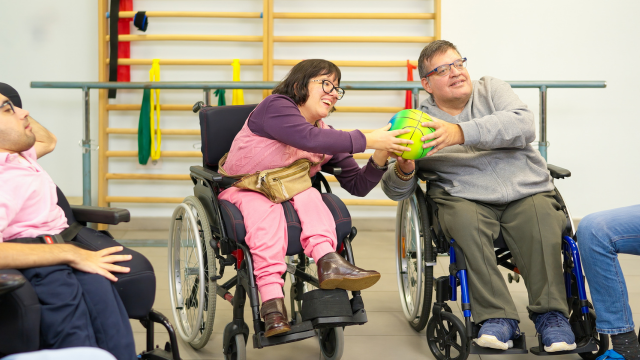
Life-skills activities can develop confidence and practical independence.
34. Cooking. Prepare breakfast, make a packed lunch or follow an accessible recipe.
35. Shopping. Create a list, find products, compare choices and pay.
36. Budgeting. Plan weekly spending, recognise coins or review a simple bank statement with suitable support.
37. Household tasks. Laundry, cleaning, making a bed or organising belongings can become structured activities for adults with learning disabilities s.
38. Using public transport. Plan a route, identify a bus stop, use a travel card or practise asking for assistance.
39. Personal planning. Use a calendar, diary, visual schedule or phone reminder to organise the week.
40. Food and meal planning. Choose meals, write a shopping list and check what ingredients are already available.
41. Digital life skills. Practise sending messages, using video calls, checking a timetable or staying safe online.
42. Personal care routines. Where appropriate, practise parts of dressing, grooming or preparing belongings with support that maximises independence.
| Activity | Skill practised | Example |
| Shopping | Money and planning | Buying ingredients for lunch |
| Cooking | Independence | Preparing a simple meal |
| Public transport | Travel | Planning and completing a bus journey |
| Budgeting | Money management | Creating a weekly spending plan |
| Household tasks | Home skills | Sorting and washing clothes |
| Personal planning | Organisation | Using a visual weekly schedule |
activities for adults with learning disabilities-disability occupational-therapy services specifically work with areas such as cooking, cleaning, personal care, cafés, travel and employment because participation in everyday occupations can contribute to independence and wellbeing.
Activities for Adults with Severe or Profound Learning Disabilities
Adults with severe or profound and multiple activities for adults with learning disabilities disabilities may have significant communication needs and may also have physical, sensory or health needs.
That does not mean meaningful activity is impossible.
The Challenging Behaviour Foundation’s What Matters to Me project demonstrates that preferences can be explored through direct engagement, sensory experiences, communication aids, observation and collaboration with families and support circles.
Sensory and Cause-and-Effect Activities
Activities might include:
- pressing an accessible switch to activate music;
- choosing between two songs;
- watching a light projection;
- feeling preferred fabrics or safe tactile objects;
- interacting with water;
- making a sound with an adapted instrument; or
- controlling a fan, bubble machine or other suitable cause-and-effect device.
The important element is whether the person appears to understand, anticipate or influence what happens.
Familiar, Routine-Based Activities
Meaningful engagement does not need to be unusual.
It may involve:
- helping prepare a familiar drink;
- choosing clothes;
- listening to a favourite radio programme;
- participating in a familiar household routine;
- spending time outside;
- interacting with a pet; or
- sharing music with a familiar person.
An ordinary activity that matters to the individual may be more valuable than an elaborate session designed without their input.
Adapting Activities to Individual Communication and Support Needs
Supporters should learn how the person expresses:
- interest;
- pleasure;
- boredom;
- discomfort;
- choice; and
- refusal.
Communication might involve movement, eye gaze, vocalisations, facial expression, gestures or changes in behaviour.
People should also have genuine opportunities to stop.
Do not infantilise adults by automatically selecting children’s toys or activities. Age-respectful support begins by finding out what is meaningful to the individual.
How to Adapt Activities for Different Needs
Adaptation is often more useful than abandoning an activity.
Mobility and Physical Accessibility
Consider:
- wheelchair access;
- table height;
- adapted handles;
- seating;
- fatigue;
- transport;
- accessible toilets;
- positioning; and
- rest periods.
A person does not need to perform every physical component to meaningfully participate.
Communication Needs
Use the person’s established communication method.
This may include:
- Easy Read information;
- pictures;
- symbols;
- signs;
- communication boards;
- objects of reference;
- speech-generating devices; or
- additional processing time.
Avoid asking repeated questions before someone has had enough time to respond.
Sensory Preferences
Reduce unnecessary sensory barriers.
For example, choose a quieter café, reduce bright lighting,activities for adults with learning disabilities offer headphones where appropriate or avoid a texture the person strongly dislikes.
Breaking Activities Into Manageable Steps
A complex task such as baking can become:
- choose the recipe;
- collect ingredients;
- measure;
- mix;
- bake with appropriate support; and
- serve.
The person may complete some steps independently and receive support with others.
Using Visual Instructions and Communication Aids
Photos and symbols can make an activity more predictable.
A visual sequence might show:
coat → bus → café → drink → bus home
This can make an unfamiliar outing easier to understand.
| Activity | Potential barrier | Possible adaptation |
| Cooking | Difficulty following a written recipe | Use photos showing one step at a time |
| Painting | Difficulty gripping a thin brush | Use large-grip or adapted tools |
| Swimming | Anxiety about unfamiliar environment | Visit beforehand and use a visual sequence |
| Social club | Large group feels overwhelming | Attend briefly or choose a smaller group |
| Shopping | Difficulty comparing prices | Use a short pictured list and pre-agreed budget |
| Walking | Limited mobility | Use an accessible route or mobility equipment |
| Music | Loud volume causes distress | Reduce volume or use a quieter individual session |
| Gardening | Bending or ground-level work is difficult | Use raised beds and adapted tools |
The purpose of adaptation is participation, not making everyone complete an activity in exactly the same way.
Example Weekly Activity Plan
A weekly schedule can combine enjoyment, physical activity, social opportunities and practical skills without filling every hour.
| Day | Morning | Afternoon |
| Monday | Walking | Arts and crafts |
| Tuesday | Cooking | Music |
| Wednesday | Life-skills practice | Community outing |
| Thursday | Sensory activity | Gardening |
| Friday | Exercise or movement | Social activity |
| Saturday | Personal choice | Family or community activity |
| Sunday | Rest/choice | Preferred hobby |
A plan should remain flexible.
If somebody chooses not to participate on Tuesday,activities for adults with learning disabilities the timetable should not become a reason to remove that choice.
Free Weekly Activity Planner
Download the Free Weekly Activity Planner PDF
The two-page planner includes:
- morning and afternoon activity planning;
- choice/preference recording;
- support and accessibility notes;
- communication preferences;
- sensory preferences;
- mobility and access needs;
- health and safety considerations; and
- a weekly engagement review.
Frequently Asked Questions
What are good activities for adults with learning disabilities?
Good options include cooking, art, music, gardening, walking, swimming, puzzles, photography, social clubs, volunteering, shopping and community outings. The best activities are those the individual genuinely enjoys and can participate in with the right level of support or adaptation.
What activities can adults with learning disabilities do at home?
Useful activities for adults with learning disabilities at home include cooking, baking, puzzles, craft projects, indoor gardening, music, accessible gaming, household skills, exercise, photography and sensory activities. Home activities can also develop independence through meal planning, laundry and organising a weekly routine.
What are good sensory activities for adults with learning disabilities?
Examples include sensory art, music, tactile objects, water activities, clay, scented plants and sensory gardens. Activities should be based on personal preferences rather than assuming everyone enjoys the same stimulation. Consider health, activities for adults with learning disabilities swallowing, allergy and sensory needs when choosing materials.
What activities help adults with learning disabilities develop independence?
Shopping, cooking, budgeting, household tasks, public-transport practice, appointment planning and using calendars or reminders can all develop everyday skills. Break tasks into manageable stages and provide only as much support as the person needs to participate safely.
How do you adapt activities for different learning disabilities?
Start with the individual rather than the diagnosis. Consider communication, physical access, sensory preferences, concentration, confidence and support needs. Use visual instructions, activities for adults with learning disabilities adapted equipment, smaller steps, additional time or quieter environments where helpful. Review whether the adaptation actually increases choice and participation.
How can you encourage someone with a learning disability to participate in activities?
Offer meaningful choices, connect activities to their existing interests and make participation easy to understand. Start with short, familiar experiences and adapt barriers where possible. Encourage without pressuring. Someone choosing not to take part is also communicating a preference that should be respected.

Final Thoughts
The most useful activities for adults with learning disabilities are not necessarily the most complicated.
What matters is whether the person has genuine choice, finds the activity meaningful and receives the support needed to participate in their own way.
Start with one enjoyable activity and one opportunity to practise independence, then observe what works.
Use the Free Weekly Activity Planner to record preferences, activities for adults with learning disabilities adaptations and signs of engagement so future activities become increasingly personalised rather than simply adding more things to the timetable.
