Upskilling Academy
Trusted by 3 million learners 24/7 online training Money back guarantee Fully accredited courses
Level 3 Certificate in Child Exploitation Thumbnail Lifetime Access
Sale

Level 3 Certificate in Child Exploitation

Child Exploitation Overview Child Exploitation is a critical and timely course designed to equip learners with a comprehensive…

Best Seller Limited Time Offer
Last Updated 18 Sep 2026 352 Enrolled English Flexible Schedule

Access to 1500+ Courses with free CPD Certificates for Only £99 Get Now

What you will learn

  • - Gain a comprehensive understanding of the different forms and indicators of child exploitation
  • - Learn effective strategies for identifying and reporting cases of exploitation
  • - Enhance your ability to support and protect vulnerable children in various settings
  • - Develop practical skills for collaborating with law enforcement and child protection agencies
  • - Stay updated on legal frameworks and best practices for prevention and intervention
  • - Increase your confidence in discussing and addressing sensitive topics related to child safety
  • - Build a network of professionals dedicated to combating child exploitation

Description

Child Exploitation

Overview

Child Exploitation is a critical and timely course designed to equip learners with a comprehensive understanding of the dynamics, mechanisms, and impacts of various forms of exploitation targeted at children. With the emergence of complex global threats—ranging from child labor and trafficking to online abuse and systemic neglect—it is vital to cultivate expertise that combines legal, psychological, social, and technological perspectives. This course aims to explore the multifaceted aspects of child exploitation by integrating research, policy analysis, and practical training while staying grounded in real-world cases and survivor experiences.

Through a blend of lectures, case studies, interactive discussions, and project work, participants will develop the skills necessary to recognize signs of exploitation, understand risk factors, and implement effective interventions. The course encourages a trauma-informed and culturally sensitive approach, promoting the best interests of children and upholding their rights as articulated in national and international frameworks.

Description

Child exploitation remains one of the most pressing issues facing societies worldwide. This course provides an in-depth examination of the types, causes, and consequences of child exploitation. Topics covered will include:

  • Types of Child Exploitation: Sexual exploitation, child labor, trafficking, forced marriage, online grooming and abuse, and involvement in criminal activities.
  • Historical and Cultural Contexts: Understanding how cultural norms, wars, poverty, and systemic inequality perpetuate exploitation.
  • Legal and Policy Frameworks: Review of national and international laws, conventions (e.g., UNCRC), and the roles of child protection agencies.
  • Profiling and Perpetrator Tactics: How predators target, manipulate, and exploit children both in physical and virtual environments.
  • Impact on Victims: Psychological, emotional, and physical consequences; the importance of trauma-informed care and survivor-centered advocacy.
  • Prevention and Detection: Community awareness, digital safety strategies, recognizing warning signs, and the role of education and technology.
  • Intervention and Rehabilitation: Best practices for engaging with affected children and effective models for rehabilitation and reintegration.
  • Case Studies and Survivors’ Voices: Real-life scenarios to illustrate the complexity and diversity of exploitation cases, challenges of prosecution, and pathways to justice and healing.

This course balances theoretical perspectives with practical applications. Learners will analyze legislation and policy documents, evaluate child protection systems, and develop critical-thinking skills through simulated situations. Opportunities for hands-on practice—such as risk assessments, designing awareness campaigns, and mock investigations—will provide valuable experiential learning.

By the end of the course, participants will be able to:

  • Identify the various forms and indicators of child exploitation in different environments.
  • Comprehend the causes and risk factors associated with child exploitation.
  • Navigate legal processes and advocate for improved policies to protect children.
  • Utilize trauma-informed and culturally sensitive approaches in intervention and prevention.
  • Collaborate effectively with multidisciplinary teams including law enforcement, social services, schools, and healthcare providers.

Career Path

Graduates of this course will be well-prepared for challenging yet profoundly meaningful roles in a range of professional sectors. Understanding child exploitation is critical in fields such as:

  • Social Work and Child Protection: Work as case managers, child advocates, or family support workers within government agencies or NGOs, providing direct support to at-risk children.
  • Law Enforcement and Forensics: Investigate exploitation crimes, interview victims, gather digital evidence, and work in specialized units combating trafficking or cybercrime.
  • Education and Training: Become youth counselors, school social workers, or educators developing preventative curriculum and safeguarding strategies.
  • Legal and Policy Analysis: Contribute to the drafting, interpretation, and lobbying for laws and policies centered on child rights advocacy at local, national, or international levels.
  • Healthcare and Mental Health: Assist in recovery and trauma treatment as child psychologists, therapists, or medical professionals in specialized clinics.
  • Nonprofit and International Development: Join NGOs or IGOs focused on child welfare, human rights, refugee aid, or humanitarian missions.
  • Research and Academia: Conduct research, develop training materials, and contribute to scholarly publications advancing the field of child protection.

Many career roles require multidisciplinary collaboration and a lifelong commitment to learning, advocacy, and ethical practice in environments where empathy, resilience, and cultural competence are non-negotiable.

Who Is This Course For?

This course is suitable for a broad spectrum of individuals who seek to make a tangible difference in the lives of children and combat exploitation at both micro and macro levels. It is ideal for:

  • Social work and child protection professionals seeking specialized training in exploitation issues.
  • Law enforcement officials, investigators, and cybersecurity professionals aiming to enhance their knowledge and investigative skills.
  • Legal practitioners and policy makers involved in child rights advocacy or legislative reform.
  • Educators, school administrators, and counselors responsible for student welfare and abuse reporting mechanisms.
  • Mental health practitioners and medical personnel working with vulnerable or at-risk children.
  • Nonprofit workers, volunteers, or aspiring human rights advocates passionate about child protection.
  • Students of criminology, psychology, sociology, law, public health, or related disciplines wishing to specialize in child welfare topics.
  • Anyone with a genuine commitment to stopping child exploitation and creating safer environments for all children.

No prior experience in child protection or criminal justice is required, making the course accessible to those beginning their journey as well as established professionals seeking updated knowledge.

Requirements

To successfully engage with and complete this course, participants should meet the following requirements:

  • Academic or Professional Interest: A strong desire to understand child exploitation, evidenced by relevant academic pursuits or professional roles, is highly recommended.
  • Language Proficiency: Competence in English is essential, as all lectures, readings, and assessments will be delivered in English.
  • Technical Access: Reliable access to a computer or smart device with internet connectivity is necessary for online modules, resources, and communication with instructors and peers.
  • Emotional Readiness: Due to the sensitive and potentially distressing subject matter, participants should be prepared for emotional challenges and willing to engage in reflective practice and self-care.
  • Active Participation: Willingness to participate in discussions, group work, and scenario-based exercises, which are crucial for deep learning and skill acquisition.

While no formal prerequisites are required, a foundational understanding of social issues or prior course work in related fields (social sciences, law, psychology) is beneficial. The course upholds a respectful and inclusive learning environment, with support mechanisms in place for those who may find content upsetting or challenging.

In summary, this course is designed to provide participants with the analytical tools, practical skills, and ethical grounding necessary to take action against the exploitation of children, champion their rights, and contribute meaningfully to safer, healthier communities worldwide.

Course Curriculum

Course Content

Module 1_ Understanding Child Exploitation

  • Lesson 1_ Understanding Child Exploitation

Module 2_ Recognizing Child Exploitation

Module 3_ Understanding Child Trafficking

Module 4_ Child Labor Exploitation

Module 5_ Responding to Child Exploitation

Who should take the course

  • - Law enforcement officers
  • - Social workers
  • - Teachers and school staff
  • - Child protective services staff
  • - Healthcare professionals
  • - Community organization members
  • - Youth counselors

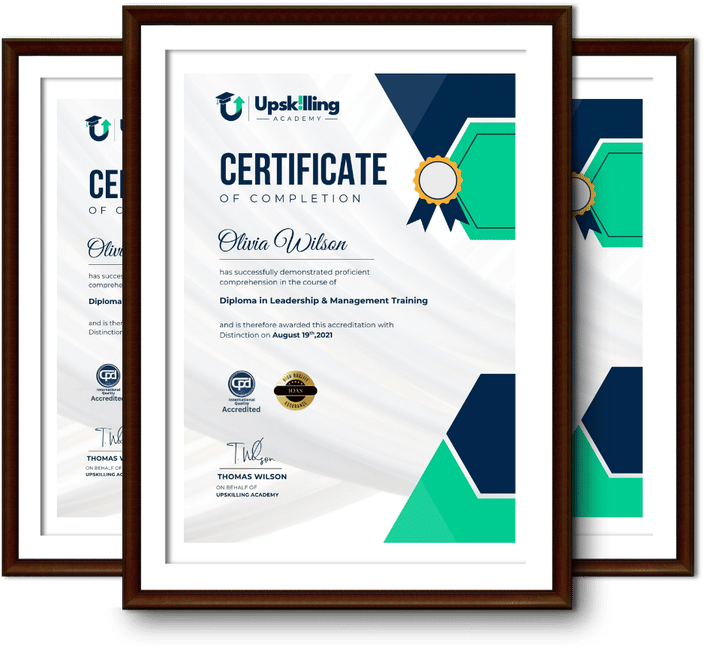
Certificate for Success at Every Step

  • No expiry date. You can keep and use the certificate forever.
  • Recognised across various UK industries.
  • Increases your chances of employability.
  • Boosts your professional credibility.
  • Shows you're up to date with industry knowledge.
Framed Upskilling Academy certificates of completion

Course Reviews

Christine Ferguson

My experience with you was fantastic and easy to navigate. I'm looking forward to taking the course.

Jesse Harding

Provided highly informative and helpful responses, with quick and efficient replies.

Gary Schwartz

The course selection is broad, engaging, easy to follow, and offers a good challenge.

Bailey Burrows

Excellent course with user-friendly website navigation, making it easy to follow. I'm really enjoying the experience.

Benjamin Moreno

Great course with valuable information. Easy to follow, and I appreciated the flexibility to work at my own pace.

Quality Accreditation

  • incensu Registered Education Supplier
  • Association of Healthcare Trainers member
  • The CPD Group approved provider #790985
  • Disability Confident Committed

FAQ for Level 3 Certificate in Child Exploitation

How do I access my course?

Once you complete your purchase, you’ll receive access to your course through your Upskilling Academy account. You can log in and access your learning materials online at any time.

How long do I have access to the course?

Your access period depends on the course and the package you purchase. Please check the course details or your order information for the applicable access period.

Can I study at my own pace?

Yes. Upskilling Academy courses are designed to provide flexible online learning, allowing you to study at a pace that suits your schedule.

Will I receive a certificate?

Certificate availability varies by course. Where a certificate is included, you’ll receive information about the requirements and how to obtain it within the course or upon completion.

Are the courses suitable for beginners?

Many courses are suitable for beginners, while others may assume some previous knowledge. Please review the individual course description for information about the recommended level and prerequisites.