Upskilling Academy
Trusted by 3 million learners 24/7 online training Money back guarantee Fully accredited courses
Level 3 Certificate in Teaching and Educational Psychology Thumbnail Lifetime Access
Sale

Level 3 Certificate in Teaching and Educational Psychology

Teaching and Educational Psychology Overview The course Teaching and Educational Psychology explores the intersection of instructional practice and…

Best Seller Limited Time Offer
Last Updated 09 Oct 2026 352 Enrolled English Flexible Schedule

Access to 1500+ Courses with free CPD Certificates for Only £99 Get Now

What you will learn

  • - Gain a deeper understanding of how students learn and think
  • - Improve your teaching strategies using proven psychological principles
  • - Learn to create supportive and motivating learning environments
  • - Enhance your classroom management and communication skills
  • - Identify and address diverse learners’ needs more effectively
  • - Foster positive student-teacher relationships for better learning outcomes
  • - Stay updated with the latest research in educational psychology

Description

Teaching and Educational Psychology

Overview

The course Teaching and Educational Psychology explores the intersection of instructional practice and psychological theory, providing a comprehensive understanding of how people learn and how effective teaching strategies can maximize student potential. With the growing recognition of individual learning differences and the importance of evidence-based instruction, this course offers educators, aspiring teachers, and educational professionals a deep dive into the scientific underpinnings of learning, motivation, and classroom dynamics. Through rigorous academic study, hands-on activities, and reflective practice, participants will develop the skills and knowledge required to foster positive learning environments and adapt to the diverse needs of students in a rapidly changing world.

Description

This course is designed to bridge the gap between psychological theory and practical classroom application. Students will examine key concepts in educational psychology, including cognitive development, learning theories, motivation, classroom management, assessment, and the impact of individual and cultural diversity.

  • Theoretical Foundations: The curriculum begins with foundational theories such as behaviorism, constructivism, social learning theory, and humanism, helping students understand how these perspectives have shaped modern educational practices.
  • Development and Learning: Participants will analyze the stages of cognitive and psychosocial development as articulated by theorists like Piaget, Vygotsky, Erikson, and others, and focus on the implications of these stages for instructional design.
  • Motivation and Engagement: Exploration of motivation theories (intrinsic vs extrinsic, self-determination theory) will empower students to design lessons that engage and inspire diverse learners.
  • Classroom Management and Assessment: Emphasis will be placed on creating structured, inclusive, and supportive learning environments, as well as on formative and summative assessment strategies to track and enhance student progress.
  • Diversity, Equity, and Inclusion: The course examines the psychological and social factors affecting students from diverse backgrounds, and introduces culturally responsive teaching principles to address inequities in education.

Course delivery includes lectures, readings, group discussions, case studies, real-world simulations, and reflective assignments. A capstone project will ask students to synthesize their learning into a comprehensive teaching plan or research paper, demonstrating the practical implications of educational psychology in classroom settings.

Career Path

A solid foundation in educational psychology opens doors to a variety of rewarding and impactful careers in education and allied fields. Upon successful completion of this course, students will be well prepared to pursue several professional pathways, including:

  • Classroom Teacher: Equip yourself with strategies to manage diverse learners, create inclusive curricula, and foster motivating educational environments in elementary, secondary, or special education settings.
  • Educational Consultant: Advise schools and organizations on curriculum development, instructional strategies, and educational policy informed by psychological research.
  • School Counselor or Psychologist: Apply psychological principles to support student well-being, development, and achievement through counseling, assessment, and intervention.
  • Instructional Designer: Design educational programs, resources, and technologies that are deeply rooted in learning theory and best practices in pedagogy.
  • Researcher or Academic: Continue your studies in graduate programs, contributing to the field’s growing body of knowledge through original research and scholarly inquiry.
  • Educational Leadership: Foundation for pursuing leadership and administrative roles in schools, educational non-profits, or governmental education departments.

Who Is This Course For?

This course is ideal for anyone interested in the intricate relationship between teaching and psychology. It has been crafted for:

  • Aspiring and current educators at all levels—kindergarten, primary, secondary, or post-secondary—who want to incorporate robust psychological theory into their teaching.
  • Education majors and pre-service teachers who are preparing to enter the classroom for the first time.
  • School counselors, special education professionals, and administrators seeking to better support teachers and students through a deeper understanding of learning processes.
  • Educational consultants and curriculum designers looking for a research-backed foundation for their practice.
  • Individuals considering graduate studies in education or psychology, wishing for an overview of the key concepts and professional applications.
  • Anyone interested in how people learn—including parents, tutors, non-profit workers, and community educators.

Requirements

  • Academic Background: While there are no formal prerequisites, a basic understanding of general psychology or introductory education is helpful and will facilitate deeper engagement with course materials.
  • Language: As this course is conducted in English, proficiency in reading, writing, and verbal communication is required for successful participation.
  • Time Commitment: Expect to dedicate 3–5 hours per week for readings, assignments, discussion participation, and assessments over a typical semester or term.
  • Technology: Reliable access to a computer and internet connection is essential for accessing digital course materials, participating in online discussions, submitting assignments, and completing exams.
  • Engagement: Active participation in class activities, case discussions, group projects, and reflective exercises is fundamental to achieving the course learning outcomes.

By the end of this course, participants will have developed a nuanced understanding of how educational psychology informs effective teaching, and have the practical tools needed to apply this knowledge in diverse educational settings.

Course Curriculum

Course Content

Module 1_ Introduction to Educational Psychology

  • Lesson 1_ Introduction to Educational Psychology

Module 2_ Child Development and Learning

Module 3_ Learning Theories and Approaches

Module 4_ Motivation and Engagement in Learning

Module 5_ Individual Differences and Inclusive Education

Module 6_ Assessment and Evaluation

Module 7_ Behaviour Management and Classroom Psychology

Module 8_ Cognitive Processes and Learning Strategies

Module 9_ Technology, Media, and Learning

Module 10_ Teacher Psychology and Professional Development

Who should take the course

  • - Aspiring teachers and educators
  • - Current teachers seeking professional development
  • - Education students in undergraduate or graduate programs
  • - School administrators and counselors
  • - Educational assistants and support staff
  • - Parents interested in educational psychology
  • - Tutors and private instructors

Certificate for Success at Every Step

  • No expiry date. You can keep and use the certificate forever.
  • Recognised across various UK industries.
  • Increases your chances of employability.
  • Boosts your professional credibility.
  • Shows you're up to date with industry knowledge.
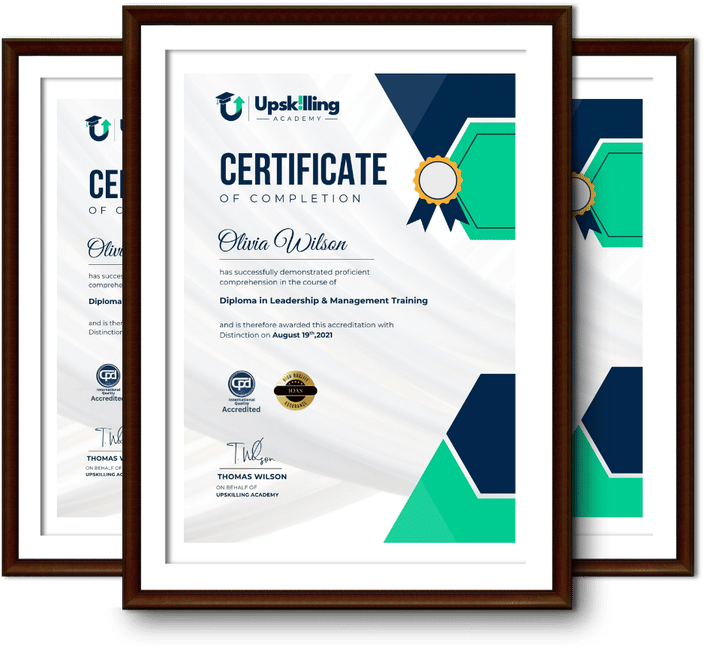
Framed Upskilling Academy certificates of completion

Course Reviews

Christine Ferguson

My experience with you was fantastic and easy to navigate. I'm looking forward to taking the course.

Jesse Harding

Provided highly informative and helpful responses, with quick and efficient replies.

Gary Schwartz

The course selection is broad, engaging, easy to follow, and offers a good challenge.

Bailey Burrows

Excellent course with user-friendly website navigation, making it easy to follow. I'm really enjoying the experience.

Benjamin Moreno

Great course with valuable information. Easy to follow, and I appreciated the flexibility to work at my own pace.

Quality Accreditation

  • incensu Registered Education Supplier
  • Association of Healthcare Trainers member
  • The CPD Group approved provider #790985
  • Disability Confident Committed

FAQ for Level 3 Certificate in Teaching and Educational Psychology

How do I access my course?

Once you complete your purchase, you’ll receive access to your course through your Upskilling Academy account. You can log in and access your learning materials online at any time.

How long do I have access to the course?

Your access period depends on the course and the package you purchase. Please check the course details or your order information for the applicable access period.

Can I study at my own pace?

Yes. Upskilling Academy courses are designed to provide flexible online learning, allowing you to study at a pace that suits your schedule.

Will I receive a certificate?

Certificate availability varies by course. Where a certificate is included, you’ll receive information about the requirements and how to obtain it within the course or upon completion.

Are the courses suitable for beginners?

Many courses are suitable for beginners, while others may assume some previous knowledge. Please review the individual course description for information about the recommended level and prerequisites.