Upskilling Academy
Trusted by 3 million learners 24/7 online training Money back guarantee Fully accredited courses
Level 3 Certificate in Introduction to Homemade Cheese Making Thumbnail Lifetime Access
Sale

Level 3 Certificate in Introduction to Homemade Cheese Making

Introduction to Homemade Cheese Making Overview Unlock the timeless art and science of transforming milk into delectable cheese,…

Best Seller Limited Time Offer
Last Updated 12 Oct 2026 352 Enrolled English Flexible Schedule

Access to 1500+ Courses with free CPD Certificates for Only £99 Get Now

What you will learn

  • - Learn the basics of cheese making with easy-to-follow, hands-on lessons
  • - Save money by creating your own fresh cheeses at home
  • - Customize flavors and ingredients to suit your taste and dietary needs
  • - Gain confidence working with milk, cultures, and simple kitchen tools
  • - Impress friends and family with your homemade cheese creations
  • - Reduce reliance on store-bought cheeses with potentially fewer additives
  • - Enjoy a fun and rewarding hobby that you can share with others

Description

Introduction to Homemade Cheese Making

Overview

Unlock the timeless art and science of transforming milk into delectable cheese, all from the comfort of your kitchen! The course Introduction to Homemade Cheese Making is a comprehensive, hands-on program tailored for novices and culinary enthusiasts eager to master the craft of homemade cheese. With growing interest in artisanal foods, sustainable living, and DIY gastronomy, cheese making stands out as both a delightful hobby and an invaluable skill.

Throughout this course, you will discover the secrets behind soft and hard cheeses, understand the microbiological processes involved, and learn to wield the essential tools and techniques needed for successful, delicious results. Guided by expert instructors and interactive lessons, students will ferment, curdle, and age their way to authentic, flavorful cheeses that impress friends and family.

Description

The Introduction to Homemade Cheese Making course navigates through the fascinating world of cheese, guiding students from the origins of cheese in human culture to its varied contemporary expressions. Divided into structured modules, each section of the course is packed with engaging lectures, step-by-step projects, downloadable resources, and support from an active online community.

  • Module 1: History, Science, and Types of Cheese – Dive into a captivating introduction exploring the origins of cheese, variations across global cultures, and the basic chemistry of milk and fermentation.
  • Module 2: Equipment, Ingredients, and Hygiene – Learn the importance of hygiene, safe food handling, sourcing the right milk, and assembling the fundamental tools needed for various cheese styles.
  • Module 3: Making Fresh Cheeses – Start your practical journey with easy-to-prepare cheeses like ricotta, paneer, quark, and mozzarella. Follow detailed video demonstrations and written instructions, honing skills in curdling, draining, pressing, and storing fresh cheese.
  • Module 4: Semi-Hard and Hard Cheeses – Progress to semi-hard and hard cheeses such as cheddar, gouda, and parmesan. Understand more complex steps: inoculating with cultures, pressing, salting, waxing, and aging cheeses in various environments.
  • Module 5: Troubleshooting and Creative Experimentation – Address common challenges, off-flavors, or textures, and expand your repertoire to include flavored cheeses, infused with herbs or spices. Finish with tips on designing a home cheese cave and pairing cheese with wines and breads.

By the course’s conclusion, you’ll confidently transform cow, goat, or sheep’s milk into a delectable range of cheeses and understand how to adapt core techniques to new recipes. You’ll also gain a deeper appreciation for the role of cheese in cuisines worldwide—and the satisfaction of creating this staple food with your own hands.

Career Path

While cheese making is often pursued as a hobby, completion of this course can open diverse pathways in artisanal food production, hospitality, and entrepreneurship. Graduates may choose to:

  • Launch a Cottage Food Business: Equipped with food safety knowledge and hands-on experience, graduates can begin selling fresh cheeses at local farmers’ markets or through direct-to-consumer models.
  • Enter the Artisanal Cheese Industry: Gain a foundation for employment or apprenticeships in specialized cheese shops, dairies, or boutique creameries, with opportunities to advance to cheesemaker or affineur roles.
  • Pursue Culinary or Hospitality Careers: Chefs and caterers with cheese making skills are in demand for gourmet kitchens, catering companies, and upscale restaurants.
  • Create Educational Content: Passionate cheese makers can produce food blogs, YouTube channels, or offer workshops to inspire others.
  • Pairing, Tasting, and Events: Use your knowledge to host cheese and wine tastings, cater unique culinary events, or consult on food pairings for specialty food retailers.

In addition, cheese making expertise enhances any home kitchen, enabling sustainable living, food independence, and impressive homemade gifts.

Who Is This Course For?

If you have ever enjoyed biting into a creamy brie, slicing into a sharp cheddar, or stretching a piece of fresh mozzarella atop a pizza, this course is designed for you. Introduction to Homemade Cheese Making is suitable for:

  • Complete beginners with little to no prior experience in cheese making or fermentation.
  • Home cooks seeking new skills and culinary adventures.
  • Food lovers interested in artisanal, sustainable, or slow food practices.
  • Gardeners, homesteaders, and urban farmers eager to make the most of home milk production.
  • Culinary students, chefs, and hospitality professionals looking to diversify their kitchen skills.
  • Anyone interested in creative hobbies, hands-on learning, and do-it-yourself food projects.

All ages are welcome, although younger participants may benefit from adult supervision during practical sessions. No advanced science or culinary knowledge is required; curiosity and a willingness to experiment are all you need!

Requirements

To ensure a productive and enjoyable learning experience, students will need access to the following:

  • Basic Kitchen Equipment: Large stockpot, thermometer (digital or dial), colander, slotted spoon, cheesecloth or butter muslin, and a clean kitchen work surface.
  • Ingredients: Fresh milk (cow, goat, or sheep), vinegar or citric acid, salt, optional cheese cultures and rennet (easily available online or at specialty stores).
  • Additional Tools for Advanced Cheeses: Cheese molds, follower, wax, and a dedicated aging space for hard cheeses (optional, as early modules focus on fresh cheese).
  • Internet Access: Reliable web access for streaming video lessons and accessing course resources.
  • Notebook and Pen: For recording recipes, tweaking techniques, and reflecting on your cheese making journey.

No prior cheese making or food science background is necessary; all instructions are designed for clarity and ease of understanding. A commitment to food safety, an adventurous palate, and excitement to taste your creations are the only prerequisites!

Enroll in Introduction to Homemade Cheese Making and embark on a remarkable journey through tradition, innovation, and flavor—everything you need to start creating your own artisan cheese at home!

Course Curriculum

Course Content

Module 1_ Introduction to Cheese Making

  • Lesson 1_ Introduction to Cheese Making

Module 2_ Understanding Milk and Dairy Products

Module 3_ Cheese Making Equipment and Tools

Module 4_ Cheese Making Techniques

Module 5_ Fresh Cheese Varieties

Module 6_ Soft Cheese Varieties

Who should take the course

  • - Home cooks interested in making their own cheese
  • - Beginners with no prior cheese making experience
  • - Food enthusiasts who enjoy DIY kitchen projects
  • - People looking for fun and creative cooking hobbies
  • - Anyone wanting to control ingredients in their dairy products
  • - Individuals interested in traditional and artisanal food preparation
  • - Gardeners or homesteaders wanting to use surplus milk

Certificate for Success at Every Step

  • No expiry date. You can keep and use the certificate forever.
  • Recognised across various UK industries.
  • Increases your chances of employability.
  • Boosts your professional credibility.
  • Shows you're up to date with industry knowledge.
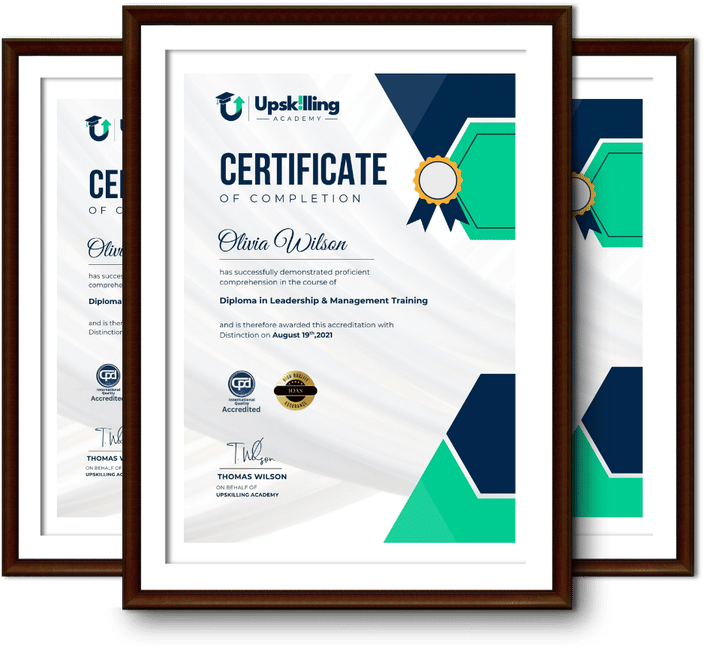
Framed Upskilling Academy certificates of completion

Course Reviews

Christine Ferguson

My experience with you was fantastic and easy to navigate. I'm looking forward to taking the course.

Jesse Harding

Provided highly informative and helpful responses, with quick and efficient replies.

Gary Schwartz

The course selection is broad, engaging, easy to follow, and offers a good challenge.

Bailey Burrows

Excellent course with user-friendly website navigation, making it easy to follow. I'm really enjoying the experience.

Benjamin Moreno

Great course with valuable information. Easy to follow, and I appreciated the flexibility to work at my own pace.

Quality Accreditation

  • incensu Registered Education Supplier
  • Association of Healthcare Trainers member
  • The CPD Group approved provider #790985
  • Disability Confident Committed

FAQ for Level 3 Certificate in Introduction to Homemade Cheese Making

How do I access my course?

Once you complete your purchase, you’ll receive access to your course through your Upskilling Academy account. You can log in and access your learning materials online at any time.

How long do I have access to the course?

Your access period depends on the course and the package you purchase. Please check the course details or your order information for the applicable access period.

Can I study at my own pace?

Yes. Upskilling Academy courses are designed to provide flexible online learning, allowing you to study at a pace that suits your schedule.

Will I receive a certificate?

Certificate availability varies by course. Where a certificate is included, you’ll receive information about the requirements and how to obtain it within the course or upon completion.

Are the courses suitable for beginners?

Many courses are suitable for beginners, while others may assume some previous knowledge. Please review the individual course description for information about the recommended level and prerequisites.