
Christine Ferguson
My experience with you was fantastic and easy to navigate. I'm looking forward to taking the course.
 Lifetime Access
DIY Hydroponic Gardening Overview Hydroponic gardening is revolutionizing how we cultivate plants by removing soil from the equation.…
Access to 1500+ Courses with free CPD Certificates for Only £59 Get Now
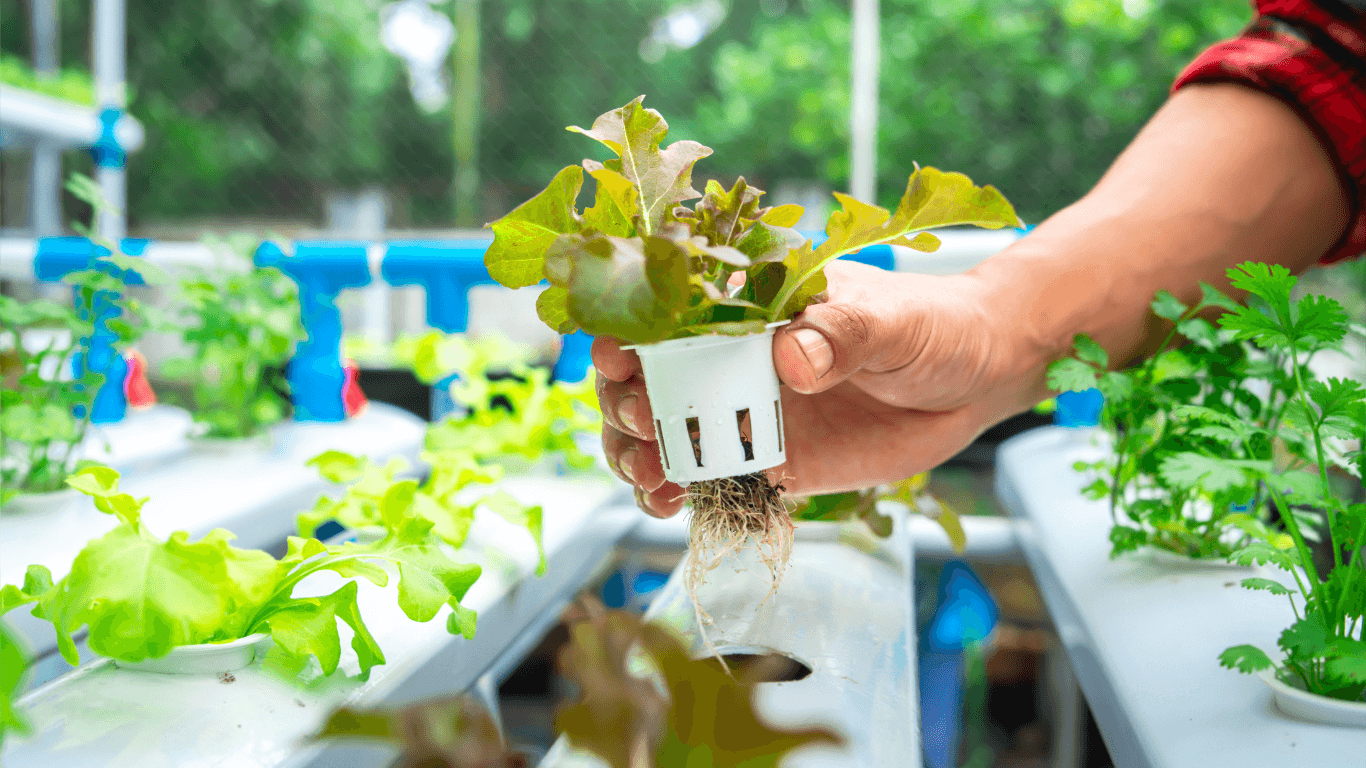
Hydroponic gardening is revolutionizing how we cultivate plants by removing soil from the equation. This course, DIY Hydroponic Gardening, is designed for anyone interested in growing fresh herbs, vegetables, and flowers using innovative, soil-free methods. Discover the science, technology, and practical steps needed to set up and maintain your own hydroponic garden, regardless of space limitations or prior horticultural experience. From kitchen countertops to backyard greenhouses, you’ll learn how to grow healthier and more bountiful plants while conserving water, optimizing nutrients, and reducing the risk of pests and diseases.
This comprehensive course takes you on an exciting journey from the foundational concepts of hydroponics to the implementation of advanced systems. Whether your interest is sustainability, self-sufficiency, or growing food year-round, this hands-on program provides in-depth knowledge and actionable skills that can make your gardening journey a success.
You’ll begin by exploring the science behind hydroponics, learning how eliminating soil and controlling nutrients can boost plant health and growth. The course delves into the six major types of hydroponic systems—deep water culture, wick, nutrient film technique, ebb and flow, aeroponics, and drip systems—helping you identify the setup best suited for your space, budget, and crops.
Through interactive lessons, videos, and step-by-step guides, you’ll construct your own hydroponic system from affordable, commonly available materials. Understand the essentials of water chemistry, nutrient solutions, lighting (with a focus on energy-efficient LEDs), and environmental control. You will troubleshoot common problems such as nutrient deficiencies, algae growth, and equipment failure, and gain practical strategies to maintain system hygiene and plant health.
The course also covers crop selection and rotation, seed starting, propagation from cuttings, and hydroponic garden layout—tailoring the knowledge toward maximizing yields in small-scale and home contexts. You’ll learn sustainable practices, including water recycling, organic nutrients, and integrating hydroponics with other eco-friendly principles such as composting and rainwater harvesting. Additionally, the program fosters innovation, encouraging students to adapt and scale systems for their specific needs, and even design hybrid gardens that integrate aquaponics or traditional gardening methods.
Upon completion, you’ll be able to confidently design, build, and maintain a DIY hydroponic setup that suits your lifestyle and goals. You’ll have an understanding of the latest trends and technologies in urban agriculture, vertical gardening, and future food systems, empowering you to make informed decisions and contribute to a greener, more sustainable world.
Hydroponics is more than a hobby—it’s an evolving field with diverse opportunities and growing global relevance. Completing this course could open the door to the following career paths:
Even if your ultimate goal is a healthier lifestyle or reducing your carbon footprint, hydroponic expertise can complement careers in sustainability, culinary arts, nutrition, environmental education, and beyond.
This course is designed to be accessible and valuable to a broad audience. You’ll benefit from enrolling if you are:
Whether you’re an absolute beginner or a seasoned gardener looking to expand your skill set, this course will provide inspiration, community, and the know-how to transform your space—and your plate—with fresh, nutritious produce grown hydroponically.
Bring your creativity, patience, and an appetite for learning—and leave with the confidence to grow your own food efficiently, sustainably, and with pride.

My experience with you was fantastic and easy to navigate. I'm looking forward to taking the course.
Provided highly informative and helpful responses, with quick and efficient replies.
The course selection is broad, engaging, easy to follow, and offers a good challenge.
Excellent course with user-friendly website navigation, making it easy to follow. I'm really enjoying the experience.
Great course with valuable information. Easy to follow, and I appreciated the flexibility to work at my own pace.



Once you complete your purchase, you’ll receive access to your course through your Upskilling Academy account. You can log in and access your learning materials online at any time.
Your access period depends on the course and the package you purchase. Please check the course details or your order information for the applicable access period.
Yes. Upskilling Academy courses are designed to provide flexible online learning, allowing you to study at a pace that suits your schedule.
Certificate availability varies by course. Where a certificate is included, you’ll receive information about the requirements and how to obtain it within the course or upon completion.
Many courses are suitable for beginners, while others may assume some previous knowledge. Please review the individual course description for information about the recommended level and prerequisites.