
Christine Ferguson
My experience with you was fantastic and easy to navigate. I'm looking forward to taking the course.
 Lifetime Access
Introduction to Printmaking Overview Printmaking stands as one of the most versatile, accessible, and inventive art forms across…
Access to 1500+ Courses with free CPD Certificates for Only £59 Get Now
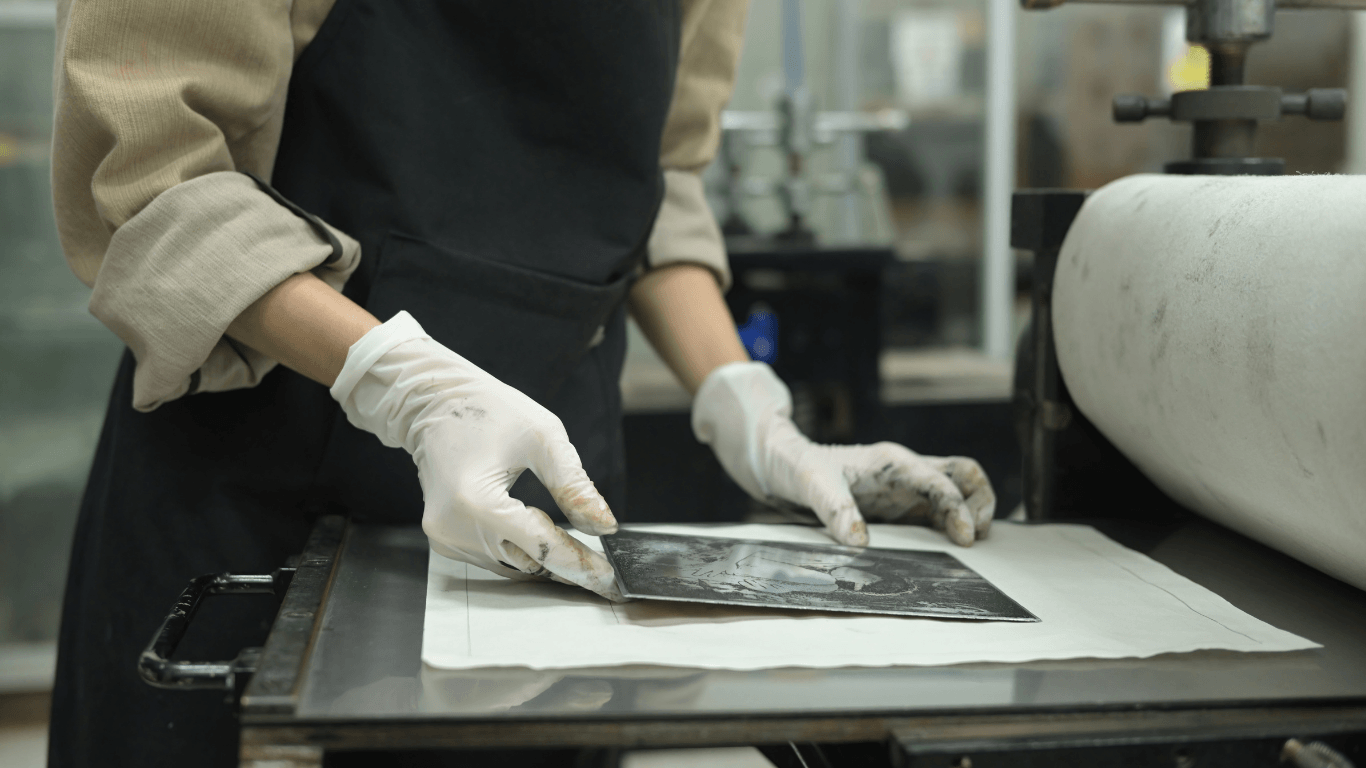
Printmaking stands as one of the most versatile, accessible, and inventive art forms across history. Unlike painting or drawing, printmaking enables artists to create multiple originals, experiment with layering and repetition, and embrace a range of tactile techniques. “Introduction to Printmaking” is designed as a comprehensive foundation course offering an engaging, hands-on exploration of the world of prints, from historical roots to contemporary innovations. Whether you’re an artist-in-training, an aspiring designer, or a curious hobbyist, this course will empower you with the knowledge and skills to transform your creative ideas into striking, reproducible art.
This course charts the journey of printmaking from the traditional methods that revolutionized image-making to the hybrid and experimental practices practiced today. Students will engage directly with a variety of processes—relief, intaglio, planographic, and stencil printing—learning the tools, materials, and techniques unique to each approach. Weekly studio projects and demonstrations will introduce and demystify classics such as woodcut, linocut, monoprint, etching, and screen printing.
The syllabus balances technical proficiency with creative expression. Students will gain practical know-how: the intricacies of carving, the physics of inking, the operation of presses, and the nuances of paper selection. Alongside this, the course emphasizes conceptual and historical context. You’ll analyze the evolution of printmaking—examining key movements, influential practitioners, and the medium’s profound role in shaping art, culture, and society.
Critiques and group discussions foster a supportive learning environment. By the end of the course, you will not only produce a portfolio of diverse prints but also develop a critical vocabulary for talking about printmaking, both as an art form and as a method of communication and activism. The workshop structure also emphasizes best practices for safety, sustainability, and studio etiquette.
In addition to developing your artistic voice, you will master proper setup and maintenance of printmaking equipment, and understand safe handling of inks, acids, solvents, and other materials present in the printmaking studio.
Printmaking skills provide a foundation for a variety of creative and professional opportunities. Graduates of this course will have a solid base to pursue paths such as:
Additionally, the knowledge and practical skills acquired in printmaking can compliment practices in painting, sculpture, photography, and digital media, broadening your creative toolkit regardless of your chosen art form.
“Introduction to Printmaking” is designed to be accessible and enriching for a wide array of learners. This course is ideal if you are:
No previous experience in printmaking—or even in art—is required. The course is structured to support and challenge both absolute beginners and those who have experimented with printmaking independently.
To participate fully in this course, students should be prepared to:
All other major materials and access to printmaking facilities will be provided through the hosting institution’s studio. Students with specific accessibility needs or health concerns regarding materials are encouraged to communicate with the instructor ahead of time for accommodations and guidance.
By the end of the course, you’ll leave with a comprehensive portfolio, a solid grounding in print techniques, and an appreciation for the expressive and democratic potential of printmaking—ready to explore further or make your mark as a printmaker in today’s dynamic art world.

My experience with you was fantastic and easy to navigate. I'm looking forward to taking the course.
Provided highly informative and helpful responses, with quick and efficient replies.
The course selection is broad, engaging, easy to follow, and offers a good challenge.
Excellent course with user-friendly website navigation, making it easy to follow. I'm really enjoying the experience.
Great course with valuable information. Easy to follow, and I appreciated the flexibility to work at my own pace.



Once you complete your purchase, you’ll receive access to your course through your Upskilling Academy account. You can log in and access your learning materials online at any time.
Your access period depends on the course and the package you purchase. Please check the course details or your order information for the applicable access period.
Yes. Upskilling Academy courses are designed to provide flexible online learning, allowing you to study at a pace that suits your schedule.
Certificate availability varies by course. Where a certificate is included, you’ll receive information about the requirements and how to obtain it within the course or upon completion.
Many courses are suitable for beginners, while others may assume some previous knowledge. Please review the individual course description for information about the recommended level and prerequisites.