Upskilling Academy
Trusted by 3 million learners 24/7 online training Money back guarantee Fully accredited courses
Level 3 Certificate in Family Law: Safeguarding Rights and Abuse Prevention Thumbnail Lifetime Access
Sale

Level 3 Certificate in Family Law: Safeguarding Rights and Abuse Prevention

Family Law: Safeguarding Rights and Abuse Prevention Overview Family law is a pivotal field that shapes the fundamental…

Best Seller Limited Time Offer
Last Updated 06 Oct 2026 352 Enrolled English Flexible Schedule

Access to 1500+ Courses with free CPD Certificates for Only £99 Get Now

What you will learn

  • - Gain a clear understanding of family law principles and how they protect individual rights
  • - Learn to identify signs of abuse and the legal steps to prevent and address it
  • - Discover strategies for supporting families and vulnerable individuals in legal situations
  • - Develop practical skills for navigating the legal system in family disputes
  • - Explore the roles of various professionals in family law and abuse prevention
  • - Build confidence to advocate for yourself or others in family law matters
  • - Stay updated on recent legal developments and best practices in family law

Description

Family Law: Safeguarding Rights and Abuse Prevention

Overview

Family law is a pivotal field that shapes the fundamental structures of society, influencing daily life more than perhaps any other area of law. Family Law: Safeguarding Rights and Abuse Prevention provides a crucial exploration of the legal frameworks, social considerations, and practical skills required to protect individual rights and prevent abuse within families. This course integrates doctrinal study, case analysis, and practical scenario-based learning to develop your knowledge of the rights and remedies available to family members. You will gain insight into the evolving definitions of family, the mechanisms for legal protection, and the multidisciplinary approaches to abuse prevention and intervention.

Throughout the course, current legal principles are paired with empirical research and real-world perspectives, including voices of those affected by family violence. By the end, you will understand family law’s protective functions and be equipped to advocate for, counsel, or support clients or community members facing complex family law issues.

Description

This comprehensive course covers the main pillars of family law while focusing on the critical goals of safeguarding rights and preventing abuse. The syllabus is structured around core subjects, combining legal theory, statutory frameworks, and contemporary practice in a dynamic, interactive environment. Topics include:

  • Foundations of Family Law: Historical evolution, sources of law, and defining the modern family unit.
  • Marriage, Civil Unions, and Domestic Partnerships: Legal requirements, rights and obligations, dissolution procedures, and protections for vulnerable parties.
  • Child Custody and Parenting Arrangements: Best interests of the child standard, joint and sole custody, visitation rights, and special considerations in high-conflict or abusive contexts.
  • Protective Orders and Safety Mechanisms: Civil and criminal remedies for victims of family abuse, including restraining/protection orders, emergency removal of children, shelter access, and police involvement.
  • Child and Spousal Support: Calculating support obligations, enforcement, and modification in cases involving abuse or neglect.
  • Child Welfare and State Intervention: Reporting and identifying child abuse or neglect, state-mandated inspections, foster care placement, and the threshold for terminating parental rights.
  • Ethical, Cultural, and Intersectional Issues: Navigating confidentiality, conflicts of interest, cultural variations in family structures and abuse definitions, and supporting at-risk or marginalized communities.
  • Multi-Disciplinary Approaches: Collaboration with social services, medical professionals, counselors, and courts for holistic abuse prevention and victim support.
  • Emerging Trends: Technology-facilitated abuse, cyberstalking, and family law adaptations to new social realities.

Students will engage in lectures, group discussions, and practical workshops, including simulated client interviews, case studies, role-plays, and the drafting of legal documents (e.g., protection orders, custody agreements). Guest speakers from the legal, social work, and psychological sectors will provide real-world insights and strategies.

Assessment will combine knowledge-based tests, reflective essays, and participation in practical exercises. On completion, students will have built not only legal expertise but also the empathy, ethical reasoning, and practical know-how essential for safeguarding individuals and families.

Career Path

Graduates of this course will be equipped for a range of impactful careers and professional roles, including:

  • Family Law Attorney or Paralegal: Representing clients in divorce, custody disputes, support enforcement, and protective order hearings.
  • Child Advocacy Specialist: Working within child protection agencies, court-appointed roles, or non-profit organizations.
  • Domestic Violence Advocate: Supporting survivors through legal and community resources, safety planning, and trauma-informed advocacy.
  • Social Worker or Case Manager: Interfacing with the court system and service providers to assist at-risk families and children.
  • Court Appointed Special Advocate (CASA) or Guardian ad Litem: Representing the best interests of children in cases of abuse or neglect.
  • Policy Maker or Researcher: Contributing to systemic reform, research, training, or education related to family rights and abuse prevention.

This course is also invaluable to professionals in law enforcement, healthcare, counseling, and education who wish to deepen their understanding of legal protections and intervention strategies related to family abuse and rights safeguarding.

Who Is This Course For?

  • Law students seeking specialization in family law and those pursuing clinical or pro bono practice in family courts or legal clinics.
  • Legal professionals (attorneys, paralegals, legal interns) aiming to update or expand their expertise in family law, abuse prevention, or children’s rights.
  • Social workers, psychologists, counselors, and case managers who collaborate with families involved in legal processes or cases of domestic abuse.
  • Advocates and community leaders in non-profit or governmental sectors working to prevent family or domestic abuse and to promote legal literacy and access to justice.
  • Policy makers, researchers, educators, and law enforcement personnel seeking interdisciplinary knowledge around family dynamics, legal interventions, and safeguarding vulnerable populations.
  • Anyone with a personal or professional interest in understanding the laws, rights, and remedies available to protect families and prevent abuse.

Requirements

  • No previous legal training is required, though familiarity with basic legal concepts or social services is helpful.
  • Students should be prepared to engage empathetically with sensitive topics and respect confidentiality and diversity in class discussions.
  • Consistent attendance and participation are required, as the course involves interactive discussions, group activities, and scenario-based learning.
  • Access to a computer and internet connection for studying legal texts, accessing resources, and completing online assignments.
  • Willingness to complete readings from statutory sources, case law, and supplementary materials (provided in digital and print formats).

While there are no strict prerequisites, this course is suitable both for those new to the subject and for participants seeking a specialized lens on the intersection of law, rights, and abuse prevention within family systems.

Course Curriculum

Course Content

Module 1_ Introduction to Family Law.

  • Lesson 1_ Introduction to Family Law.

Module 2_ Marriage and Civil Unions.

Module 3_ Divorce and Separation.

Module 4_ Child Custody and Support.

Module 5_ Parental Rights and Responsibilities.

Who should take the course

  • - Law students interested in family law
  • - Lawyers seeking to specialize in family and child protection
  • - Social workers involved in domestic cases
  • - Counselors and mental health professionals
  • - Teachers or school staff handling child welfare concerns
  • - Victims' advocates and support organization staff
  • - Parents wanting to understand legal rights and protections

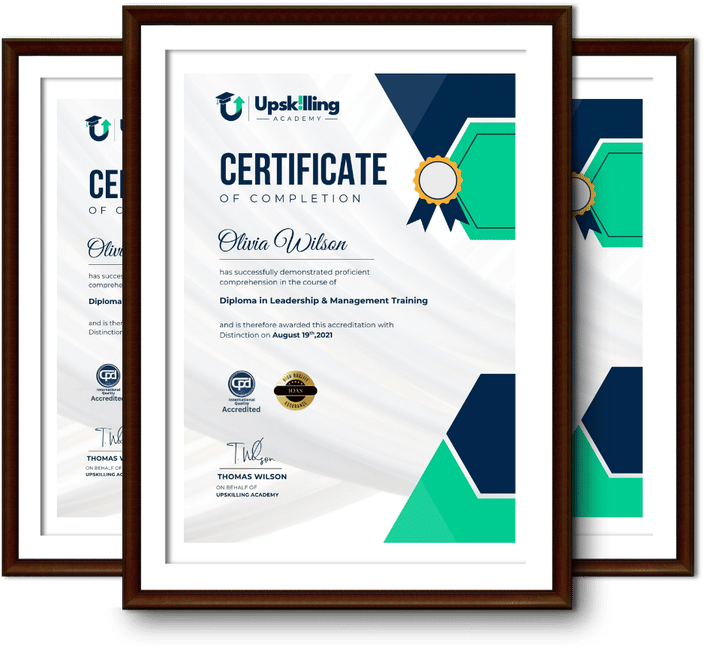
Certificate for Success at Every Step

  • No expiry date. You can keep and use the certificate forever.
  • Recognised across various UK industries.
  • Increases your chances of employability.
  • Boosts your professional credibility.
  • Shows you're up to date with industry knowledge.
Framed Upskilling Academy certificates of completion

Course Reviews

Christine Ferguson

My experience with you was fantastic and easy to navigate. I'm looking forward to taking the course.

Jesse Harding

Provided highly informative and helpful responses, with quick and efficient replies.

Gary Schwartz

The course selection is broad, engaging, easy to follow, and offers a good challenge.

Bailey Burrows

Excellent course with user-friendly website navigation, making it easy to follow. I'm really enjoying the experience.

Benjamin Moreno

Great course with valuable information. Easy to follow, and I appreciated the flexibility to work at my own pace.

Quality Accreditation

  • incensu Registered Education Supplier
  • Association of Healthcare Trainers member
  • The CPD Group approved provider #790985
  • Disability Confident Committed

FAQ for Level 3 Certificate in Family Law: Safeguarding Rights and Abuse Prevention

How do I access my course?

Once you complete your purchase, you’ll receive access to your course through your Upskilling Academy account. You can log in and access your learning materials online at any time.

How long do I have access to the course?

Your access period depends on the course and the package you purchase. Please check the course details or your order information for the applicable access period.

Can I study at my own pace?

Yes. Upskilling Academy courses are designed to provide flexible online learning, allowing you to study at a pace that suits your schedule.

Will I receive a certificate?

Certificate availability varies by course. Where a certificate is included, you’ll receive information about the requirements and how to obtain it within the course or upon completion.

Are the courses suitable for beginners?

Many courses are suitable for beginners, while others may assume some previous knowledge. Please review the individual course description for information about the recommended level and prerequisites.