Upskilling Academy
Trusted by 3 million learners 24/7 online training Money back guarantee Fully accredited courses
Level 3 Certificate in Supported Scaffolding Safety in Industrial and Construction Environments Thumbnail Lifetime Access
Sale

Level 3 Certificate in Supported Scaffolding Safety in Industrial and Construction Environments

Supported Scaffolding Safety in Industrial and Construction Environments Overview The field of construction and industrial work relies heavily…

Best Seller Limited Time Offer
Last Updated 17 Oct 2026 352 Enrolled English Flexible Schedule

Access to 1500+ Courses with free CPD Certificates for Only £99 Get Now

What you will learn

  • - Learn to identify and manage common scaffolding hazards to prevent workplace accidents
  • - Gain up-to-date knowledge of OSHA standards and industry regulations
  • - Improve your ability to safely assemble, use, and dismantle scaffolding systems
  • - Enhance job site efficiency by applying best practices for scaffold inspection and maintenance
  • - Increase your confidence to work safely at heights and in complex environments
  • - Reduce the risk of costly violations, injuries, and operational delays through proper safety protocols
  • - Receive a certificate of completion to showcase your skills and boost your employability

Description

Supported Scaffolding Safety in Industrial and Construction Environments

Overview

The field of construction and industrial work relies heavily on the use of supported scaffolding systems to access elevated workspaces, facilitate construction, maintenance, and inspection activities, and ensure the smooth progress of projects. However, improper erection, use, or maintenance of scaffolds is a significant contributor to workplace injuries and fatalities worldwide. The Supported Scaffolding Safety in Industrial and Construction Environments course is meticulously designed to empower professionals with the essential knowledge, practical skills, and vigilant mindset required to ensure the safe planning, setup, use, and dismantling of supported scaffolding systems according to regulatory standards and industry best practices.

Description

This comprehensive course offers an in-depth exploration of supported scaffolding systems as they pertain to both industrial and construction settings. It covers the full range of scaffolding-related operations, illuminating the vital aspects of safety to prevent accidents, enhance productivity, and support regulatory compliance.

Topics include scaffold types and classifications, components and terminology, hazard identification, erection and dismantling best practices, inspection and maintenance protocols, the legal framework (including OSHA and local regulatory standards), strategies for fall prevention, load calculations, material handling, and emergency response planning. The curriculum leverages a blend of theory and interactive real-world scenarios, ensuring learners gain practical, actionable expertise.

Upon successful completion, students will be proficient in recognizing scaffold hazards, implementing control measures, performing competent person inspections, and fostering a culture of safety on jobsites where supported scaffolding is employed. Graduates will not only help minimize the risk of injury and costly shutdowns but will also play a pivotal role in elevating their organization’s reputation for safety and reliability.

Career Path

The Supported Scaffolding Safety in Industrial and Construction Environments course is a valuable credential for a variety of safety-critical careers. Whether you’re aiming to enter the construction workforce, pursue advancement, or demonstrate your commitment to workplace safety, this course will build your credibility. Typical roles that benefit from this program include:

  • Construction Project Managers: Responsible for ensuring that all aspects of a building project—including scaffolding operations—are executed safely and efficiently.
  • Site Supervisors and Foremen: Required to oversee scaffold erection, modification, and use, while enforcing regulatory compliance.
  • Scaffolding Erectors and Installers: Frontline workers performing hands-on assembly and adjustment of supporting structures.
  • Health & Safety Officers: Charged with developing and implementing scaffold safety programs, hazard assessment, and ongoing inspections.
  • Industrial Maintenance Technicians: Using supported scaffolds for access during plant shutdowns, repairs, or upgrades.
  • OSHA Competent Persons: As mandated by law, individuals designated to inspect, approve, and instruct others on the safe use of scaffolding.
  • Facilities Engineers and Planners: Coordinating or approving the use of scaffolds for facility upgrades or equipment access.

Regardless of your specific role, mastery of scaffold safety is an asset that signals your reliability and enhances your opportunities for career progression and specialization within the built environment.

Who Is This Course For?

This course is designed for a broad audience within the construction and industrial sectors, as well as anyone else whose occupation involves the planning, use, or supervision of supported scaffolds. Specifically, this training is intended for:

  • Site managers, supervisors, and forepersons responsible for jobsite safety and productivity
  • Tradespeople and laborers working at heights or using scaffolding systems
  • Health and safety coordinators or auditors tasked with hazard assessment and compliance
  • Engineers, architects, and planners who specify scaffold requirements or review project safety
  • OSHA mandated “competent persons” charged with scaffold inspection and approval
  • New workers entering the construction or maintenance fields who need foundational safety knowledge
  • Professionals seeking continuing education credits or organizational safety improvement

Organizations may also wish to enroll entire teams or designate safety champions to ensure a holistic, company-wide enhancement of scaffold safety awareness and capability.

Requirements

  • Prerequisites: No formal prerequisites are required. However, familiarity with general construction or industrial safety practices is helpful.
  • Language: The course is delivered in English. Proficiency in reading and understanding technical terms is recommended.
  • Technical Requirements: Access to a computer or mobile device with internet connectivity is necessary for online course materials, interactive modules, and assessments.
  • Personal Protective Equipment (PPE): Learners are encouraged to have access to basic PPE (such as hard hats, safety glasses, gloves, and harnesses). For optional hands-on lab components, participation may require the use of this equipment.
  • Assessment: Participants must complete all course modules and achieve a passing score on a final assessment to earn a certificate of completion.
  • Commitment: The course is self-paced, but it is recommended that participants dedicate 2-4 hours per week over a period of four to six weeks to fully absorb the content and practice the skills taught.

Embark on your journey to becoming a scaffold safety expert and help create safer, more productive work environments for yourself and your team.

Course Curriculum

Course Content

Module 1_ Introduction to Supported Scaffolding Safety.

  • Lesson 1_ Introduction to Supported Scaffolding Safety.

Module 2_ Scaffolding Components and Materials.

Module 3_ Scaffold Assembly and Dismantling Procedures.

Module 4_ Load Capacities and Weight Distribution.

Module 5_ Fall Protection Measures.

Module 6_ Safe Access and Egress.

Module 7_ Environmental Considerations.

Who should take the course

  • - Construction workers who use scaffolding on job sites
  • - Site supervisors and foremen responsible for crew safety
  • - Maintenance staff performing elevated work in industrial facilities
  • - Safety officers and managers overseeing scaffold operations
  • - New hires and apprentices needing scaffold safety basics
  • - Contractors and sub-contractors working with supported scaffolds
  • - Facility engineers involved in routine or project-based scaffolding tasks

Certificate for Success at Every Step

  • No expiry date. You can keep and use the certificate forever.
  • Recognised across various UK industries.
  • Increases your chances of employability.
  • Boosts your professional credibility.
  • Shows you're up to date with industry knowledge.
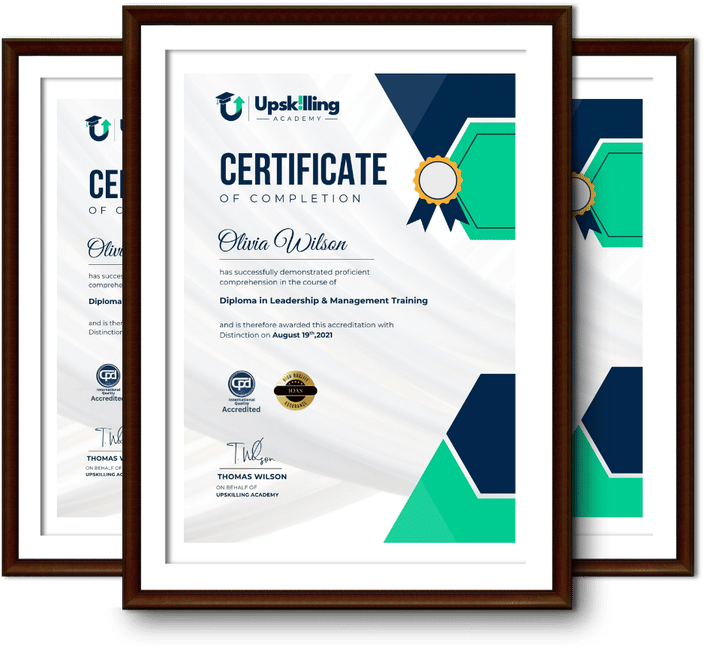
Framed Upskilling Academy certificates of completion

Course Reviews

Christine Ferguson

My experience with you was fantastic and easy to navigate. I'm looking forward to taking the course.

Jesse Harding

Provided highly informative and helpful responses, with quick and efficient replies.

Gary Schwartz

The course selection is broad, engaging, easy to follow, and offers a good challenge.

Bailey Burrows

Excellent course with user-friendly website navigation, making it easy to follow. I'm really enjoying the experience.

Benjamin Moreno

Great course with valuable information. Easy to follow, and I appreciated the flexibility to work at my own pace.

Quality Accreditation

  • incensu Registered Education Supplier
  • Association of Healthcare Trainers member
  • The CPD Group approved provider #790985
  • Disability Confident Committed

FAQ for Level 3 Certificate in Supported Scaffolding Safety in Industrial and Construction Environments

How do I access my course?

Once you complete your purchase, you’ll receive access to your course through your Upskilling Academy account. You can log in and access your learning materials online at any time.

How long do I have access to the course?

Your access period depends on the course and the package you purchase. Please check the course details or your order information for the applicable access period.

Can I study at my own pace?

Yes. Upskilling Academy courses are designed to provide flexible online learning, allowing you to study at a pace that suits your schedule.

Will I receive a certificate?

Certificate availability varies by course. Where a certificate is included, you’ll receive information about the requirements and how to obtain it within the course or upon completion.

Are the courses suitable for beginners?

Many courses are suitable for beginners, while others may assume some previous knowledge. Please review the individual course description for information about the recommended level and prerequisites.