Upskilling Academy
Trusted by 3 million learners 24/7 online training Money back guarantee Fully accredited courses
Level 3 Certificate in Computer Workstation Design & Use Thumbnail Lifetime Access
Sale

Level 3 Certificate in Computer Workstation Design & Use

Computer Workstation Design & Use Overview The rapid advancement of digital technology has transformed the modern workspace. With…

Best Seller Limited Time Offer
Last Updated 15 Oct 2026 352 Enrolled English Flexible Schedule

Access to 1500+ Courses with free CPD Certificates for Only £59 Get Now

What you will learn

  • - Learn to set up ergonomic computer workstations to reduce discomfort and fatigue
  • - Gain practical tips to prevent injuries such as carpal tunnel and eye strain
  • - Understand the latest industry standards for workstation safety and productivity
  • - Improve focus and efficiency by optimizing your workspace layout
  • - Discover simple adjustments that can lead to better health and posture
  • - Develop skills to assess, modify, and recommend workstations for yourself and others
  • - Stay up-to-date with technology trends that impact modern workstation use

Description

Computer Workstation Design & Use

Overview

The rapid advancement of digital technology has transformed the modern workspace. With computers becoming the centerpiece of nearly every professional environment, understanding the optimal design, setup, and use of computer workstations is crucial for maximizing productivity, promoting wellness, and ensuring long-term job satisfaction. The Computer Workstation Design & Use course is an interdisciplinary program that combines the principles of ergonomics, human-computer interaction, occupational safety, and design thinking. Students will acquire in-depth knowledge and hands-on skills to create efficient, user-friendly, and health-conscious workstations for individuals, teams, and organizations.

Description

This comprehensive course delivers an in-depth exploration of best practices in computer workstation design and effective use. It begins by introducing the foundational concepts of ergonomics—including anthropometry, posture, repetitive strain injury prevention, and environmental considerations such as lighting, ventilation, and noise. The curriculum then delves into human-computer interaction, focusing on the arrangement of computer peripherals, input devices, visual display units, and the integration of modern technologies such as sit-stand desks and wearable devices.

Through a blend of theoretical content and practical case studies, students will analyze real-world workspaces, identify potential hazards, and design customized workstation solutions that align with international guidelines and local regulatory requirements. Emphasis will be placed on assessing user needs based on different professions and scenarios—ranging from open-office setups and home offices to specialized environments like healthcare, design studios, and control rooms.

Participants will not only learn about hardware and physical setup but also gain insights into workflow optimization, digital task management, and the psychological aspects of space usage. Topics covered include:

  • Principles of ergonomic risk assessment
  • Workplace standards (e.g., OSHA, ISO, ADA)
  • Chair, desk, and monitor selection and adjustment
  • Input device design and arrangement (keyboard, mouse, trackpad, tablets, etc.)
  • Computer vision syndrome and methods to alleviate eye strain
  • Lighting, acoustics, and environmental controls
  • Workstation layout for collaborative and individual tasks
  • Adaptive technologies for accessibility
  • Psychosocial factors, breaks, and productivity strategies
  • Remote and hybrid workstations: challenges and solutions

Instructional methods include video lectures, interactive simulations, hands-on assignments, expert interviews, and group projects to provide a well-rounded, interactive learning experience.

Career Path

The knowledge and skills gained in this course open up a range of career opportunities across diverse industries. Graduates are equipped to pursue roles such as:

  • Ergonomics Specialist: Develop and implement ergonomics programs in workplace settings.
  • Office and Workspace Designer: Design functional office layouts for improved efficiency and employee well-being.
  • Occupational Health and Safety Officer: Conduct risk assessments and develop strategies to mitigate workplace hazards.
  • Facility Manager: Integrate ergonomic principles into facility planning and management.
  • Human Resources/Wellness Coordinator: Promote healthy workstation practices within organizations.
  • IT Support/Systems Integrator: Customize setups for user accessibility and efficiency.
  • Product Designer or Developer: Design innovative office furniture or computer accessories addressing ergonomic needs.
  • Freelance Consultant: Offer independent advice to businesses or individuals on setting up optimal computer workstations.

Additionally, the course serves as valuable professional development for employees wishing to improve their own work environments or advocate for positive changes in their workplaces.

Who Is This Course For?

This course is designed for a broad audience, including but not limited to:

  • Occupational health and safety professionals seeking specialized knowledge in computer workstation ergonomics.
  • Interior designers and architects aiming to incorporate best practice workstation layouts in their projects.
  • Office managers, HR professionals, and facility coordinators responsible for employee welfare and workspace design.
  • IT professionals wishing to understand hardware setup and workspace optimization for end-users.
  • Employees and freelancers who spend significant hours at computer workstations and are motivated to enhance their own comfort and productivity.
  • Educators and trainers teaching ergonomics, occupational health, or design.
  • Students in related fields such as industrial design, healthcare, human factors engineering, or computer science, interested in applied workstation ergonomics.

No prior experience in ergonomics is required, making this course accessible to beginners as well as experienced professionals looking to deepen their understanding.

Requirements

  • Basic Computer Literacy: Students should be comfortable using computers for research, assignments, and online collaboration.
  • Access to a Computer Workstation: Participants must have regular access to a computer workstation (desktop or laptop environment) for hands-on analysis and assignments.
  • Reliable Internet Connection: Required for accessing online course content, submitting assignments, and participating in interactive sessions.
  • Interest in Health, Design, or Workspace Optimization: A curiosity about creating better, healthier, and more efficient computer workspaces will enhance the learning experience.
  • Willingness to Engage in Practical Exercises: The course involves self-assessment and real-world design activities; active participation is essential.

All additional resources, readings, and software tools required for coursework will be provided or freely accessible online. Participants will benefit most from photographing or documenting their current workstation setup for self-assessment and comparison throughout the course.

Course Curriculum

Course Content

Module 1_ Introduction to Computer Workstation Design

  • Lesson 1_ Introduction to Computer Workstation Design
  • Lesson 1_ Introduction to Computer Workstation Design

Module 2_ Workspace Layout and Organization

Module 3_ Display and Monitor Setup

Module 4_ Keyboard and Mouse Ergonomics

Module 5_ Chair Ergonomics and Seating Options

Module 6_ Lighting and Environmental Considerations

Module 7_ Peripheral Devices and Accessories

Who should take the course

  • - Office workers who spend long hours at a computer
  • - Managers seeking to improve employee comfort and productivity
  • - Human resources professionals developing workplace safety policies
  • - IT staff responsible for setting up and maintaining computer stations
  • - Health and safety officers focused on injury prevention
  • - Students studying occupational health, ergonomics, or workplace design
  • - Freelancers and remote workers wanting to optimize their home office setup

Certificate for Success at Every Step

  • No expiry date. You can keep and use the certificate forever.
  • Recognised across various UK industries.
  • Increases your chances of employability.
  • Boosts your professional credibility.
  • Shows you're up to date with industry knowledge.
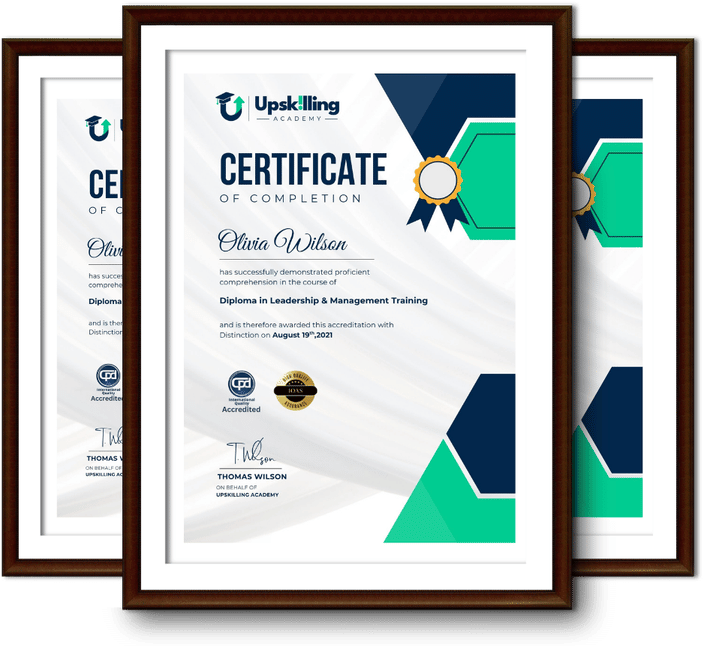
Framed Upskilling Academy certificates of completion

Course Reviews

Christine Ferguson

My experience with you was fantastic and easy to navigate. I'm looking forward to taking the course.

Jesse Harding

Provided highly informative and helpful responses, with quick and efficient replies.

Gary Schwartz

The course selection is broad, engaging, easy to follow, and offers a good challenge.

Bailey Burrows

Excellent course with user-friendly website navigation, making it easy to follow. I'm really enjoying the experience.

Benjamin Moreno

Great course with valuable information. Easy to follow, and I appreciated the flexibility to work at my own pace.

Quality Accreditation

  • incensu Registered Education Supplier
  • Association of Healthcare Trainers member
  • The CPD Group approved provider #790985
  • Disability Confident Committed

FAQ for Level 3 Certificate in Computer Workstation Design & Use

How do I access my course?

Once you complete your purchase, you’ll receive access to your course through your Upskilling Academy account. You can log in and access your learning materials online at any time.

How long do I have access to the course?

Your access period depends on the course and the package you purchase. Please check the course details or your order information for the applicable access period.

Can I study at my own pace?

Yes. Upskilling Academy courses are designed to provide flexible online learning, allowing you to study at a pace that suits your schedule.

Will I receive a certificate?

Certificate availability varies by course. Where a certificate is included, you’ll receive information about the requirements and how to obtain it within the course or upon completion.

Are the courses suitable for beginners?

Many courses are suitable for beginners, while others may assume some previous knowledge. Please review the individual course description for information about the recommended level and prerequisites.