
Christine Ferguson
My experience with you was fantastic and easy to navigate. I'm looking forward to taking the course.
 Lifetime Access
Oral Traditions and Folklore in History Overview Oral traditions and folklore have served as the heartbeat of cultures…
Access to 1500+ Courses with free CPD Certificates for Only £59 Get Now
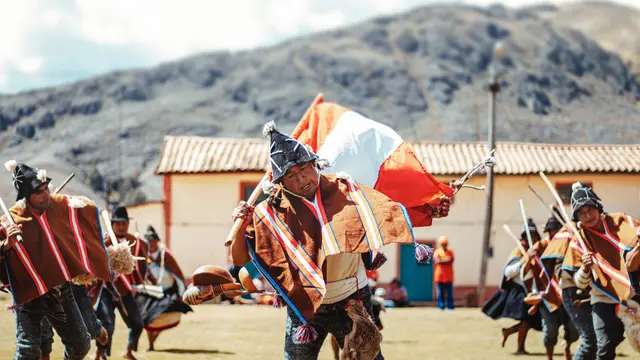
Oral traditions and folklore have served as the heartbeat of cultures throughout human history. This dynamic course explores the ways in which stories, myths, legends, proverbs, songs, and other verbal expressions have conveyed, preserved, and shaped societies. Far from being relics of the past, oral traditions continue to influence literature, culture, and identity in the modern world. Oral Traditions and Folklore in History is an interdisciplinary course that bridges anthropology, history, literature, and cultural studies, guiding students to examine the richness, diversity, and enduring power of spoken word traditions.
This course delves deeply into the study of oral traditions and folklore across multiple civilizations and eras. Students will investigate how oral narratives transmit historical memory, social values, and collective identity, particularly in societies without written records. The curriculum spans the globe, highlighting oral literature among indigenous peoples of Africa, the Americas, Asia, and Australia, as well as in early European societies.
We will analyze essential folklore genres, such as epics, folktales, fairy tales, legends, riddles, proverbs, ballads, and oral histories. Students will learn how these forms have been collected, interpreted, and sometimes transformed within scholarly research, colonial encounters, and contemporary revivals. Attention is also given to the impact of modern media on the preservation and transformation of traditional oral cultures.
Key topics include:
Case studies may range from the Homeric epics, West African griots, Native American storytelling, Norse sagas, South Asian folk epics, to the living traditions found in today’s multicultural societies. Assignments include close textual analyses, comparative essays, and, where possible, fieldwork involving interviews or oral history projects.
An understanding of oral traditions and folklore opens doorways to diverse professional and creative opportunities. Graduates of this course can pursue careers in:
The analytical, intercultural, and research skills gained here are highly transferable, equipping students to engage empathetically in multicultural environments and design projects sensitive to the voices and histories of diverse communities.
Oral Traditions and Folklore in History is designed for a wide array of students and professionals, including:
No prior background in folklore or oral history is necessary; the course is structured to welcome both newcomers and those with some experience, providing opportunities for each student to explore their own cultural background as well as global traditions.
Optional background knowledge in anthropology, literature, history, or cultural studies may be helpful but is not required. Students interested in undertaking fieldwork will receive guidance and ethical oversight regarding best practices and community sensitivities.
By the end of the course, students will have developed a nuanced appreciation for the power and complexity of oral traditions and folklore, and will be equipped with practical and theoretical skills for analyzing, preserving, and celebrating them in a rapidly changing world.

My experience with you was fantastic and easy to navigate. I'm looking forward to taking the course.
Provided highly informative and helpful responses, with quick and efficient replies.
The course selection is broad, engaging, easy to follow, and offers a good challenge.
Excellent course with user-friendly website navigation, making it easy to follow. I'm really enjoying the experience.
Great course with valuable information. Easy to follow, and I appreciated the flexibility to work at my own pace.



Once you complete your purchase, you’ll receive access to your course through your Upskilling Academy account. You can log in and access your learning materials online at any time.
Your access period depends on the course and the package you purchase. Please check the course details or your order information for the applicable access period.
Yes. Upskilling Academy courses are designed to provide flexible online learning, allowing you to study at a pace that suits your schedule.
Certificate availability varies by course. Where a certificate is included, you’ll receive information about the requirements and how to obtain it within the course or upon completion.
Many courses are suitable for beginners, while others may assume some previous knowledge. Please review the individual course description for information about the recommended level and prerequisites.