Upskilling Academy
Trusted by 3 million learners 24/7 online training Money back guarantee Fully accredited courses
Level 3 Certificate in Internet Security Thumbnail Lifetime Access
Sale

Level 3 Certificate in Internet Security

Internet Security Overview The rapid proliferation of the internet has fundamentally changed the way individuals, businesses, and governments…

Best Seller Limited Time Offer
Last Updated 02 Oct 2026 352 Enrolled English Flexible Schedule

Access to 1500+ Courses with free CPD Certificates for Only £99 Get Now

What you will learn

  • - Gain a clear understanding of common online threats and how to protect yourself
  • - Learn practical steps to secure your devices and personal information
  • - Become confident in identifying phishing emails and scams
  • - Discover best practices for creating strong passwords and using authentication
  • - Understand how to safely use social media and public Wi-Fi
  • - Get up-to-date knowledge on the latest cybersecurity trends
  • - Build habits that help keep your online presence safe

Description

Internet Security

Overview

The rapid proliferation of the internet has fundamentally changed the way individuals, businesses, and governments operate. Connectivity has ushered in limitless opportunities, but it has also given rise to a wide landscape of threats. The increasing complexity and sophistication of cyber-attacks demand a comprehensive understanding of both technology and strategy to maintain security and privacy online.

The Internet Security course is designed to provide learners with the knowledge and tools needed to secure personal, corporate, and institutional digital environments. By exploring the latest trends, practical tools, and defensive techniques, students are empowered to become frontline defenders in the ongoing battle for cyberspace safety.

Description

This course delves into the core principles and practices of securing digital assets and communications on the internet. It introduces foundational concepts in cybersecurity, progresses through defensive strategies, and culminates in hands-on exercises simulating real-world scenarios.

  • Foundations of Internet Security: Gain an understanding of internet architecture, cyber threats, and threat actors. Learn about risk management, threat modeling, and the security triad: confidentiality, integrity, and availability.
  • Network Security Essentials: Explore core networking principles, including TCP/IP, DNS, routers, switches, firewalls, and intrusion detection/prevention systems. Recognize vulnerabilities and methods of securing communication channels.
  • Cryptography: Delve into the science of encrypting and decrypting information. Learn about symmetric and asymmetric encryption, public key infrastructure (PKI), digital signatures, and the role of cryptography in securing emails, data, and transactions.
  • Endpoint Protection: Study techniques and tools to secure computers, mobile devices, and IoT devices. Understand antivirus solutions, host-based firewalls, application control, and system hardening techniques.
  • Web and Application Security: Identify threats facing web servers, websites, and APIs. Learn about SQL injection, cross-site scripting, session hijacking, and secure application development principles.
  • User Awareness and Social Engineering: Examine the human element in security breaches, such as phishing, pretexting, and baiting. Practice methods to foster security culture and user vigilance in organizations.
  • Incident Response and Forensics: Develop skills in detecting, analyzing, and responding to security breaches. Learn how to collect digital evidence, perform basic malware analysis, and document incident reports.
  • Emerging Threats and Technologies: Stay ahead with modules covering cloud security, mobile threats, zero trust models, ransomware, and developments in artificial intelligence and machine learning for cyber defense.

Interactive labs, case studies, and assignments supplement instructional content, ensuring a blend of theory and practical experience. Students will use widely adopted security tools and platforms, and participate in simulated cyber-attack scenarios to hone their critical response skills.

Career Path

Completing the Internet Security course opens the door to a dynamic range of professional opportunities in the field of cybersecurity. As organizations increasingly invest in digital transformation, skilled security professionals are in high demand across every industry — from finance and healthcare to government and technology.

  • Security Analyst: Monitor, prevent, and respond to cyber threats within organizations.
  • Network Security Engineer: Architect and maintain secure network infrastructures and defend perimeters.
  • Incident Response Specialist: Analyze breaches, contain incidents, and advise on mitigation strategies.
  • Penetration Tester (Ethical Hacker): Simulate attacks and identify security vulnerabilities for organizations.
  • Cybersecurity Consultant: Offer strategic guidance to organizations seeking to enhance their security posture.
  • Forensic Analyst: Investigate cybercrimes and gather evidence for legal proceedings.
  • Application Security Engineer: Protect the software development lifecycle and ensure secure code practices.
  • Compliance and Risk Analyst: Ensure organizations meet regulatory and standard compliance requirements.

This course also prepares students for advanced industry certifications such as CompTIA Security+, Certified Information Systems Security Professional (CISSP), and Certified Ethical Hacker (CEH).

Who Is This Course For?

  • IT Professionals: Network administrators, system engineers, and helpdesk personnel seeking to upgrade their knowledge and credentials in cybersecurity.
  • Students and Graduates: Individuals pursuing a career in information technology, computer engineering, or related fields.
  • Business Owners and Managers: Leaders who want to protect their organization’s assets, reputation, and customer data by understanding internet security at a managerial level.
  • Career Changers: Professionals from other disciplines who aspire to transition into the rapidly growing domain of cybersecurity.
  • Enthusiasts and Home Users: Anyone interested in safeguarding their personal digital footprint and enhancing their awareness of current cyber threats.

Whether you are starting your journey in cybersecurity or seeking to expand your existing knowledge, this course accommodates learners from a variety of backgrounds with engaging, accessible, and practical content.

Requirements

  • Technical Background: While prior experience in networking or information technology is helpful, the course begins with foundational concepts, so motivated beginners are welcome.
  • Hardware: A modern computer (PC, Mac, or Linux) capable of running security tools and virtual machines.
  • Software: Internet browser and access, administrative rights to install applications (guidance provided for all necessary free/open source software).
  • Internet Access: A stable and reliable internet connection is essential for accessing course materials, streaming lectures, and participating in online labs and assessments.
  • Curiosity and Commitment: Readiness to learn in-depth, analyze complex problems, and adapt to new challenges posed by emerging threats.

For learners willing to invest time, effort, and curiosity, the Internet Security course offers a robust pathway to mastering one of today’s most in-demand and critically important fields.

Course Curriculum

Course Content

Module 1_ Spyware

  • Lesson 1_ Spyware

Module 2_ Anti-Spyware Programs

Module 3_ Anti-Spyware Conclusion

Module 4_ Computer Security And Spyware

Who should take the course

  • - Beginners interested in learning about internet security
  • - Small business owners wishing to protect their online assets
  • - Students studying computer science or IT
  • - Professionals seeking to enhance their cybersecurity knowledge
  • - Parents wanting to keep their family safe online
  • - Anyone concerned about protecting personal information on the internet
  • - Teachers or educators looking to introduce internet safety in the classroom

Certificate for Success at Every Step

  • No expiry date. You can keep and use the certificate forever.
  • Recognised across various UK industries.
  • Increases your chances of employability.
  • Boosts your professional credibility.
  • Shows you're up to date with industry knowledge.
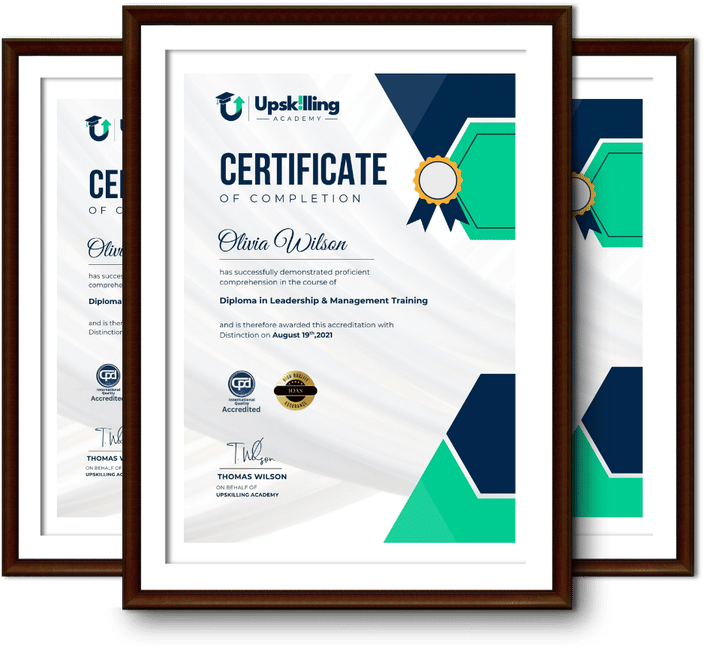
Framed Upskilling Academy certificates of completion

Course Reviews

Christine Ferguson

My experience with you was fantastic and easy to navigate. I'm looking forward to taking the course.

Jesse Harding

Provided highly informative and helpful responses, with quick and efficient replies.

Gary Schwartz

The course selection is broad, engaging, easy to follow, and offers a good challenge.

Bailey Burrows

Excellent course with user-friendly website navigation, making it easy to follow. I'm really enjoying the experience.

Benjamin Moreno

Great course with valuable information. Easy to follow, and I appreciated the flexibility to work at my own pace.

Quality Accreditation

  • incensu Registered Education Supplier
  • Association of Healthcare Trainers member
  • The CPD Group approved provider #790985
  • Disability Confident Committed

FAQ for Level 3 Certificate in Internet Security

How do I access my course?

Once you complete your purchase, you’ll receive access to your course through your Upskilling Academy account. You can log in and access your learning materials online at any time.

How long do I have access to the course?

Your access period depends on the course and the package you purchase. Please check the course details or your order information for the applicable access period.

Can I study at my own pace?

Yes. Upskilling Academy courses are designed to provide flexible online learning, allowing you to study at a pace that suits your schedule.

Will I receive a certificate?

Certificate availability varies by course. Where a certificate is included, you’ll receive information about the requirements and how to obtain it within the course or upon completion.

Are the courses suitable for beginners?

Many courses are suitable for beginners, while others may assume some previous knowledge. Please review the individual course description for information about the recommended level and prerequisites.