Upskilling Academy
Trusted by 3 million learners 24/7 online training Money back guarantee Fully accredited courses
Level 3 Certificate in Play Therapy Thumbnail Lifetime Access
Sale

Level 3 Certificate in Play Therapy

Play Therapy Overview Play Therapy is a transformative and highly practical discipline designed to help children express their…

Best Seller Limited Time Offer
Last Updated 16 Oct 2026 352 Enrolled English Flexible Schedule

Access to 1500+ Courses with free CPD Certificates for Only £99 Get Now

What you will learn

  • - Gain a solid understanding of play therapy techniques and their practical applications
  • - Learn how to use play to help children express emotions and resolve psychological challenges
  • - Develop key skills for building trust and rapport with young clients
  • - Enhance your ability to assess children’s needs through observation and interaction
  • - Increase your confidence in designing therapeutic play sessions tailored to individual clients
  • - Discover ways to involve parents and caregivers in the therapeutic process
  • - Improve outcomes for children dealing with trauma, anxiety, behavioral issues, and more

Description

Play Therapy

Overview

Play Therapy is a transformative and highly practical discipline designed to help children express their thoughts, emotions, and experiences in the safe and natural language of play. This comprehensive course introduces students to the principles, techniques, and theoretical frameworks of Play Therapy, demonstrating how it can be an effective intervention for children facing a variety of emotional, psychological, or developmental challenges. Through interactive lessons, case studies, and practical exercises, learners will gain both foundational and advanced skills applicable in mental health, educational, and social work settings.

The course is rooted in the latest research and ethical guidelines, offering a blend of theoretical learning and hands-on practice. Whether you are a professional working with children or a newcomer interested in therapeutic modalities, Play Therapy provides the tools, strategies, and confidence to make a lasting difference in children’s lives.

Description

Play Therapy leverages the natural ways children communicate—through play—to help them process experiences, resolve psychological distress, and regain a sense of mastery over their worlds. Children often lack the verbal skills or insight to articulate complex feelings and traumatic events, making play their primary arena for self-expression and problem-solving. This course delves deeply into the art and science of Play Therapy, introducing students to its history, major theories (such as Child-Centered, Cognitive-Behavioral, and Integrative Play Therapy), and practical guidelines for implementing therapeutic play sessions.

Topics covered include:

  • The developmental foundations of play and its therapeutic value
  • Structure and phases of Play Therapy
  • Assessment and goal setting in Play Therapy
  • Key therapeutic toys and materials, including their symbolic meanings
  • Role-playing, sand tray, art, storytelling, and other core techniques
  • Working with families and caregivers to support the child’s therapeutic process
  • Best practices for documentation, evaluation, and ethical dilemmas in Play Therapy
  • Cultural sensitivities and adapting Play Therapy across diverse populations

Students will engage in video demonstrations, supervision, reflective journaling, and simulated casework to develop competency and confidence. Guest lectures from leading practitioners provide real-world insights and inspiration. By the course’s end, participants will be able to conceptualize cases, establish rapport, conduct meaningful sessions, and measure therapeutic outcomes using Play Therapy interventions.

Career Path

Completing the Play Therapy course can unlock a variety of rewarding professional opportunities. It is designed to supplement existing qualifications for professionals in mental health, education, or social care. Possible career pathways include:

  • Licensed Play Therapist: Work in private practice, mental health clinics, or schools, providing direct therapeutic interventions to children and their families.
  • School Counselor: Utilize Play Therapy techniques to support students’ emotional well-being and address behavioral or academic challenges.
  • Clinical Social Worker: Integrate Play Therapy into broader family and individual interventions for children in various contexts, such as foster care or community mental health.
  • Child Psychologist or Psychotherapist: Apply Play Therapy as one of several modalities to address trauma, grief, developmental delays, or social difficulties.
  • Early Childhood Educator or Specialist: Incorporate therapeutic play principles into curriculum development, classroom management, and individualized support plans.
  • Researcher or Policy Advisor: Conduct studies, publish findings, or advocate for child-centered services using an evidence-based understanding of Play Therapy.

The competencies gained from this course also enhance your ability to collaborate within multidisciplinary teams and advance in supervisory or leadership roles in child-focused institutions.

Who Is This Course For?

The Play Therapy course welcomes a diverse audience of learners who are passionate about supporting children’s mental health and holistic development. This includes:

  • Mental health professionals (psychologists, counselors, social workers) seeking to diversify their therapeutic toolkit
  • Teachers and school counselors looking for effective, evidence-based techniques to address behavioral and emotional issues in children
  • Childcare providers and early childhood educators interested in fostering resilience and emotional intelligence
  • Healthcare practitioners such as pediatric nurses or occupational therapists working closely with children
  • Graduate students or those preparing for careers in clinical psychology, social work, or family therapy
  • Caregivers, foster parents, and those working in community or advocacy roles focusing on children’s well-being
  • Anyone with a curiosity about Play Therapy or a personal/professional commitment to child-centered care

Whether you are experienced in child welfare or just beginning, this course is adaptable to your learning needs and ambitions. It is especially beneficial for those seeking hands-on, practical knowledge grounded in current research.

Requirements

There are no strict prerequisites for enrolling in the Play Therapy course. However, participants will benefit most if they have:

  • A basic understanding of child development and psychology (helpful but not mandatory)
  • An open mind, empathy, and genuine interest in working with children
  • Willingness to engage in self-reflection and experiential learning activities
  • Ability to communicate respectfully and work collaboratively with others

Technical requirements:

  • Access to a computer or tablet with reliable internet connection
  • Ability to stream video and participate in online discussions, if taking the distance learning format
  • Access to basic play materials (e.g., toys, art supplies) for practical assignments (a suggested list will be provided)

While no prior clinical experience is required, those aiming for professional certification are encouraged to verify local regulations regarding supervised practice hours or specific academic credentials.

This course can be taken as a stand-alone learning experience or as part of continued professional development for those wishing to specialize further in Play Therapy.

Course Curriculum

Course Content

Module 1_ Introduction to Play Therapy

  • Lesson 1_ Introduction to Play Therapy

Module 2_ Child Development and Play

Module 3_ Play Therapy Techniques

Module 4_ Assessment and Diagnosis in Play Therapy

Module 5_ Cultural Considerations in Play Therapy

Who should take the course

  • - Counselors and therapists working with children
  • - School psychologists and social workers
  • - Teachers and education professionals
  • - Parents and caregivers interested in therapeutic tools
  • - Students studying psychology or child development
  • - Child welfare and foster care workers
  • - Pediatric healthcare professionals

Certificate for Success at Every Step

  • No expiry date. You can keep and use the certificate forever.
  • Recognised across various UK industries.
  • Increases your chances of employability.
  • Boosts your professional credibility.
  • Shows you're up to date with industry knowledge.
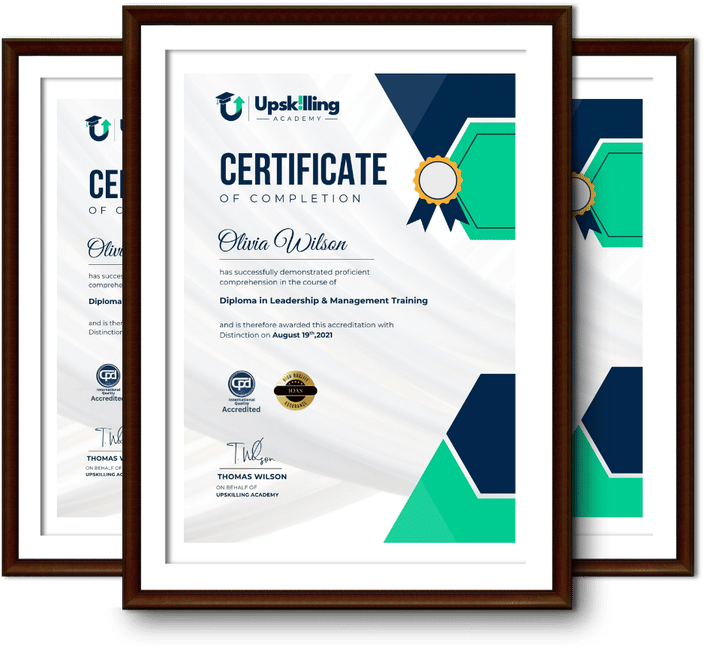
Framed Upskilling Academy certificates of completion

Course Reviews

Christine Ferguson

My experience with you was fantastic and easy to navigate. I'm looking forward to taking the course.

Jesse Harding

Provided highly informative and helpful responses, with quick and efficient replies.

Gary Schwartz

The course selection is broad, engaging, easy to follow, and offers a good challenge.

Bailey Burrows

Excellent course with user-friendly website navigation, making it easy to follow. I'm really enjoying the experience.

Benjamin Moreno

Great course with valuable information. Easy to follow, and I appreciated the flexibility to work at my own pace.

Quality Accreditation

  • incensu Registered Education Supplier
  • Association of Healthcare Trainers member
  • The CPD Group approved provider #790985
  • Disability Confident Committed

FAQ for Level 3 Certificate in Play Therapy

How do I access my course?

Once you complete your purchase, you’ll receive access to your course through your Upskilling Academy account. You can log in and access your learning materials online at any time.

How long do I have access to the course?

Your access period depends on the course and the package you purchase. Please check the course details or your order information for the applicable access period.

Can I study at my own pace?

Yes. Upskilling Academy courses are designed to provide flexible online learning, allowing you to study at a pace that suits your schedule.

Will I receive a certificate?

Certificate availability varies by course. Where a certificate is included, you’ll receive information about the requirements and how to obtain it within the course or upon completion.

Are the courses suitable for beginners?

Many courses are suitable for beginners, while others may assume some previous knowledge. Please review the individual course description for information about the recommended level and prerequisites.