


Functional Skills gives utmost importance to English, mathematics, and computer skills, and exams in these domains are graded according to mathematical functional skills levels. Here’s a detailed breakdown of how to prepare for the functional skills exam, and how to micro-manage the exam itself to boost your confidence and get the best out of it.
1. Understand the Exam Format
Before venturing straight into preparing for the exam, make sure to be acquainted with the format of the functional exam you will be giving. Functional skills qualifications examine whether or not the linguistic and mathematic practical skills covered in a certain course are integrated into rewriting real-life scenarios. Here’s what it looks like:
- Mathematics: This section assesses problem-solving related to numbers, measurements, and data in an exam divided into two sections; calculator and non-calculator.
- English: This aspect measures skills such as reading, writing, speaking,g and listening.
- ICT: Analysis of data using software applications and solving problems of a digital nature.
Knowing what is expected of us makes it a lot easier to prepare for the functional skills exam.
2. Evaluate What You Have
To aid with identifying your strengths and weaknesses, a diagnostic test would assist with driving your efforts. In doing so, you’ll have to set a clear perspective regarding your needs. Consider the following perspective for example:
- Are you having trouble with working on data analysis, fractional, or even percentages for active functions skills in mathematics?
- If you are to consider English, choosing between essay writing and reading comprehension while attempting to work on a weakness would be best.
Such a strategy saves time as well as aids you in achieving more.
3. High-quality study materials should be used
For the functional skills exams, you could consider such as:
- Textbooks: According to the corresponding level and subject, these textbooks are fit for such a level for the outline and provide practice exercises alongside working answers.
- Online Platforms: There are websites such as the BBC Bitesize which provide animations, tutorials, and even tests in practice.
- Past papers: attempting mock exams without the use of real elastic bandages wouldn’t prove effective, gaining an understanding of previous elastic with mock exams would aid in gaining better insights.
These types or styles of registrations are planned in a way that boosts one’s confidence while more than one central area stand-alone topic are being covered.
4. Tie Lessons To Real Life Situations.
Focus and connect your learnings to real-life situations as functional skills exams are all about situational work-based learning.
- Maths: Measure flooring space for carpet, find out the means of actually cutting, and practice figuring out a range of other things such as splitting bills or working out prices by simply taking a percentage off for discounts.
- English: Focus more on developing your skills while analyzing news, writing business shifts through emails, and even preparing a presentation.
- ICT: Creating slides through PowerPoint, budgeting through spreadsheets, and troubleshooting basic computer issues.
Now if we were to diverge into a more fascinating path, increasing engagement along with retention, then all you’d have to do is:
5. Bring Appropriate Test Taking Techniques
It’s imperative to remember that scoring successfully in the Functional Skills examinations is not an easy endeavor, multiple factors must be kept in mind such as the strategies presented below:
Understand the questions
Make sure to dedicate enough time to understanding the questions, if there are certain details that appear to be critical, then mark those as well since it would prevent you from needlessly interpreting the questions.
Point of Workings
No matter the exam regardless of the subject, Physics or maths, a good rule of thumb is to always have a pencil and paper at hand so nodes are taken detailing down your thoughts and brainstorming ideas along with the correct answer.
Partition Time
Make sure to partition time for every query or assignment component, and restrict higher time usage for topics or assignments you find complex.
Provide Answer Rechecks
Last but not least, if there is still time to spare, offer to check the previously solved issues so any potential even if there is a redundancy of a mistake can be avoided.
6. Have Effective Practice Regimes
Consistent practice is key to mastering Functional Skills. Set aside dedicated study time each day and tackle different types of questions. Focus on weaker areas while maintaining your strengths. Use timed practice to simulate exam conditions and improve your speed and accuracy.

7. Don’t Be Afraid to Ask for Help.
When it comes to the harder concepts, don’t hesitate to search for help using the following methods:
- Private Instructors: Worked-out solutions can sometimes be confusing, especially when there aren’t clear methodologies available. Private instructors can help with those.
- Team Learning Classes: Sometimes a classmate can understandably explain things and get you the help you need.
- Online Courses: Websites like YouTube have basic Functional Skills related videos for free.
Sometimes, the answer or explanation is exactly what you were looking for from a new person.
8. Master the Techniques for Reviewing That is Effective for You
People think learning is a one-size-fits-all, but it is not, so work around how you know best:
- If you are a visual learner: Outlines, Flow charts, Color-coded texts.
- If you are an auditory learner: Tunes, podcasts, speaking the explanation out loud.
- If you are a kinesthetic learner: Real-life math problem-solving or role-play creation.
Make sure it is clear that altering the way you study can make you engaged and even excel.
9. Always Stay Positive and Trust Yourself
Any exam starts with a good mindset my friends, here are some ways to stay optimistic about yourself:
- Recognize the effort you have put in and don’t brush over the milestones.
- Always self-assess to not burn out, spend extra time taking breaks, and ensure you don’t spend more time than necessary studying.
- Always remember the reason you are after the certificate: Remember the goals you set for yourself alongside the exam.
In the end, trusting your might leads to being better.
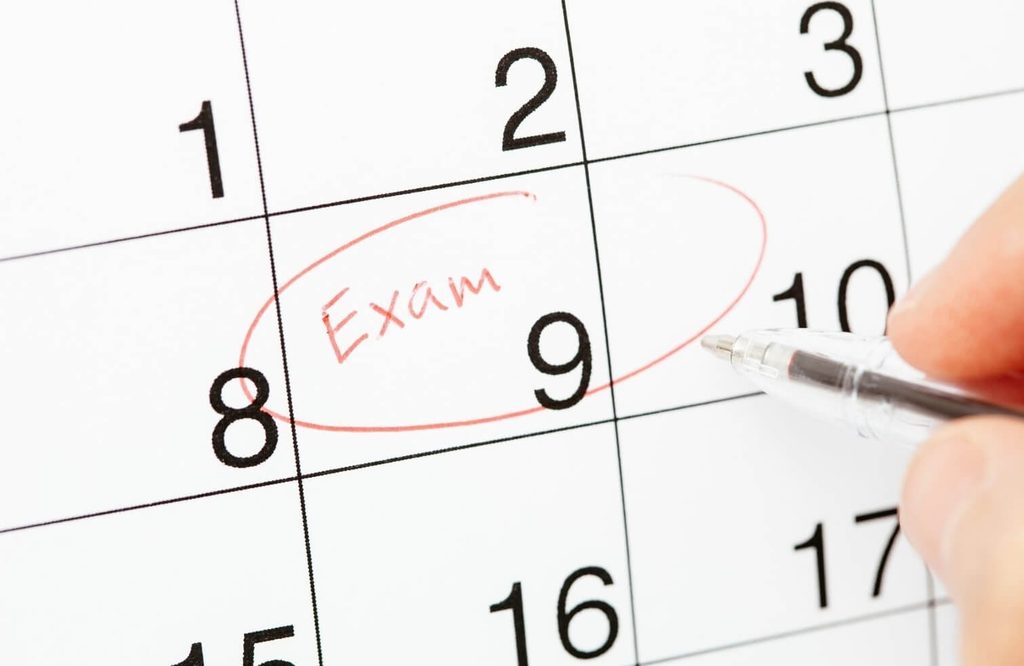
10. Exam Day Preparation
To enhance your experience during exam day, consider the following:
- Sleeping Well: Make sure you are well-rested so that you are not exhausted during the examination.
- Reaching Early: Give yourself enough time to find the examination location and get ready.
- Bringing Necessities: Make sure you carry all necessary items such as pens, pencils, and calculators if permitted.
- Remaining Relaxed: Practice stress-relief methods to curb anxiety and improve your focus.
Conclusion
Functional Skills exams can sound intimidating; however, if you have a good understanding of the structure, employ appropriate resources, and have practical approaches, you will be able to take the test without any pressure. Remember to keep practicing, reach out for help when required and positivity will go a long way during your preparation. With the help of these tips, passing the examination will be easier than you imagined. Best of luck!
