Upskilling Academy
Trusted by 3 million learners 24/7 online training Money back guarantee Fully accredited courses
Level 3 Certificate in Fire Safety Thumbnail Lifetime Access
Sale

Level 3 Certificate in Fire Safety

Fire Safety Overview The threat of fire is a universal concern, spanning residential, industrial, and commercial spaces. Prevention,…

Best Seller Limited Time Offer
Last Updated 18 Sep 2026 352 Enrolled English Flexible Schedule

Access to 1500+ Courses with free CPD Certificates for Only £99 Get Now

What you will learn

  • - Learn essential techniques to prevent fires at home and in the workplace
  • - Gain confidence in using fire extinguishers and other safety equipment
  • - Understand how to create effective emergency evacuation plans
  • - Improve your ability to identify and eliminate common fire hazards
  • - Meet regulatory and compliance requirements for fire safety training
  • - Protect yourself, your coworkers, and your family from fire-related risks
  • - Enhance overall safety awareness and preparedness in any environment

Description

Fire Safety

Overview

The threat of fire is a universal concern, spanning residential, industrial, and commercial spaces. Prevention, preparedness, and effective response to fire emergencies are essential for ensuring the safety and security of lives and property. The Fire Safety course offers a thorough exploration of the fundamental principles, best practices, and regulatory requirements in fire prevention, detection, and suppression. Designed to equip participants with both theoretical knowledge and practical skills, this program is invaluable for those seeking to develop critical competencies to reduce the risks associated with fire hazards in various environments.

Description

This comprehensive course delves into core fire safety concepts, including fire behavior, risk assessment, evacuation procedures, and the use of firefighting equipment. Students are introduced to the science of fire—its causes, classification, and progression—and examine how human behavior and environmental factors influence fire emergencies. The curriculum integrates current fire safety codes and standards, focusing on how legal frameworks underpin safe practices in homes, workplaces, public buildings, and specialized facilities.

Learners will gain practical proficiency in fire prevention techniques, emergency response planning, and the use of fire protection systems such as alarms, sprinklers, and extinguishers. The course also covers the psychological aspects of emergency management, emphasizing effective communication and leadership during crisis situations. Scenario-based exercises, real-world case studies, and hands-on demonstrations ensure that participants can confidently apply their knowledge in diverse settings.

Key topics include:

  • Understanding fire chemistry and the fire tetrahedron
  • Types and sources of fire hazards
  • Fire detection and alarm systems
  • Principles of fire prevention and community risk reduction
  • Safe evacuation strategies and emergency planning
  • The proper use and maintenance of firefighting equipment
  • Relevant national and international fire safety regulations

By the end of this course, students will know how to assess fire risks in various environments, implement effective control measures, and respond swiftly and effectively in the event of a fire emergency. The hands-on nature of the training will empower participants to act as responsible leaders and advocates for fire safety within their organizations or communities.

Career Path

Expertise in fire safety opens doors to numerous rewarding career opportunities across a range of sectors. This course is ideal for those aspiring to pursue or enhance careers in:

  • Fire Safety Officer: Oversee fire safety protocols in organizations, conduct risk assessments, and ensure regulatory compliance.
  • Health and Safety Manager: Integrate fire safety measures into broader workplace health and safety plans.
  • Facility or Building Manager: Develop and maintain fire safety programs for buildings and complexes.
  • Firefighter or Emergency Responder: Acquire advanced knowledge to excel in professional emergency response roles.
  • Fire Prevention Educator: Teach communities or employees about fire hazards and prevention strategies.
  • Risk Assessor or Insurance Professional: Evaluate fire risks and advise on risk reduction and insurance policies.
  • Maintenance and Technical Specialists: Install, maintain, or inspect fire protection systems in compliance with safety standards.

The knowledge and skills gained from the Fire Safety course are valued not only in fire and rescue services but also in healthcare, education, hospitality, construction, manufacturing, public administration, and insurance. Completion of the course enhances employability, supports career development, and can serve as a foundation for further study in occupational safety, emergency management, or fire engineering.

Who Is This Course For?

The Fire Safety course is designed to serve a wide audience, including but not limited to:

  • Workplace Safety Officers: Those responsible for overseeing safety programs in offices, factories, schools, hospitals, warehouses, and more.
  • Facilities and Property Managers: Individuals in charge of large buildings or residential complexes concerned with risk management and compliance.
  • First Responders: Current and aspiring firefighters, paramedics, and security personnel seeking to deepen their fire safety expertise.
  • Business Owners and Supervisors: Leaders looking to implement best practices in workplace safety for staff and customers.
  • Community Leaders and Volunteers: Those eager to promote fire safety awareness and preparedness at the community level.
  • General Public: Anyone interested in learning how to protect themselves and others from the dangers of fire, whether at home or in public spaces.

No previous knowledge of fire science or emergency response is required. The curriculum is structured to accommodate learners from all backgrounds, making the course accessible, informative, and engaging for everyone.

Requirements

To achieve the best outcomes from the Fire Safety course, the following are recommended:

  • Basic literacy and numeracy skills: Ability to read course materials, follow guidelines, and perform simple calculations.
  • Commitment to learning: Willingness to participate in discussions, activities, and practical exercises.
  • Physical capacity (for practical modules): Some modules may involve hands-on activities such as fire extinguisher use or evacuation drills; reasonable physical ability is advantageous, though accommodations can be made.
  • Access to a computer or mobile device: For online coursework, a reliable internet connection and compatible device are necessary to stream videos, participate in forums, and complete assessments.
  • No prerequisite qualifications: This is an entry-level course—no formal background in fire safety or emergency management is required.

Participants should come prepared to engage actively and think critically about the role of fire safety in daily life and in professional environments. Those who complete the course will receive a certificate of completion, equipping them with demonstrable credentials to advance their safety knowledge and careers.

Course Curriculum

Course Content

Module 1 – Introduction to Fire Safety

  • Lesson 1 – Introduction to Fire Safety

Module 2 – Chemistry and Physics of Fire

Module 3 – Fire Risk Assessment Overview

Module 4 – Fire Prevention

Module 5 – Fire Prevention in Your Building

Module 6 – Fire Detection and Warning Systems

Module 7 – Firefighting Equipment and Facilities

Module 8 – Emergency Escape and Fire Fighting

Who should take the course

  • - Employees working in offices or commercial buildings
  • - Factory, warehouse, or industrial workers
  • - School and daycare staff
  • - Healthcare facility staff and caregivers
  • - Hotel and hospitality employees
  • - Maintenance and custodial staff
  • - Managers responsible for workplace safety

Certificate for Success at Every Step

  • No expiry date. You can keep and use the certificate forever.
  • Recognised across various UK industries.
  • Increases your chances of employability.
  • Boosts your professional credibility.
  • Shows you're up to date with industry knowledge.
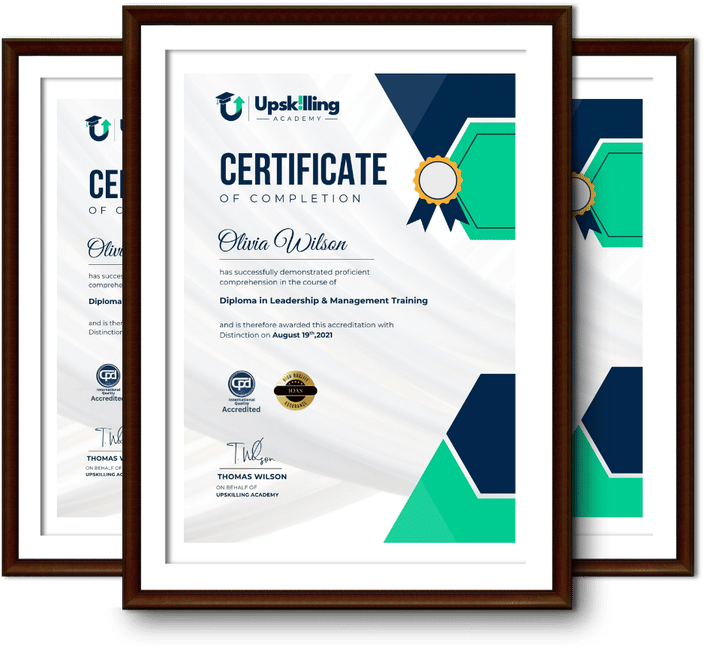
Framed Upskilling Academy certificates of completion

Course Reviews

Christine Ferguson

My experience with you was fantastic and easy to navigate. I'm looking forward to taking the course.

Jesse Harding

Provided highly informative and helpful responses, with quick and efficient replies.

Gary Schwartz

The course selection is broad, engaging, easy to follow, and offers a good challenge.

Bailey Burrows

Excellent course with user-friendly website navigation, making it easy to follow. I'm really enjoying the experience.

Benjamin Moreno

Great course with valuable information. Easy to follow, and I appreciated the flexibility to work at my own pace.

Quality Accreditation

  • incensu Registered Education Supplier
  • Association of Healthcare Trainers member
  • The CPD Group approved provider #790985
  • Disability Confident Committed

FAQ for Level 3 Certificate in Fire Safety

How do I access my course?

Once you complete your purchase, you’ll receive access to your course through your Upskilling Academy account. You can log in and access your learning materials online at any time.

How long do I have access to the course?

Your access period depends on the course and the package you purchase. Please check the course details or your order information for the applicable access period.

Can I study at my own pace?

Yes. Upskilling Academy courses are designed to provide flexible online learning, allowing you to study at a pace that suits your schedule.

Will I receive a certificate?

Certificate availability varies by course. Where a certificate is included, you’ll receive information about the requirements and how to obtain it within the course or upon completion.

Are the courses suitable for beginners?

Many courses are suitable for beginners, while others may assume some previous knowledge. Please review the individual course description for information about the recommended level and prerequisites.