Upskilling Academy
Trusted by 3 million learners 24/7 online training Money back guarantee Fully accredited courses
Level 3 Certificate in Data Analysis Thumbnail Lifetime Access
Sale

Level 3 Certificate in Data Analysis

Data Analysis Overview The Data Analysis course is meticulously designed to equip learners with the knowledge and hands-on…

Best Seller Limited Time Offer
Last Updated 17 Sep 2026 352 Enrolled English Flexible Schedule

Access to 1500+ Courses with free CPD Certificates for Only £99 Get Now

What you will learn

  • - Gain practical skills in analyzing and interpreting real-world data
  • - Learn to use popular data analysis tools and software effectively
  • - Improve your decision-making with data-driven insights
  • - Enhance your career prospects in a data-focused job market
  • - Build confidence in presenting and communicating data findings
  • - Understand key statistical concepts without complex jargon
  • - Complete hands-on projects to boost your professional portfolio

Description

Data Analysis

Overview

The Data Analysis course is meticulously designed to equip learners with the knowledge and hands-on skills needed to analyze, interpret, and visualize data effectively. In today’s data-driven world, the capability to make data-informed decisions is crucial across every industry, from business and finance to healthcare and technology. This course covers the fundamental concepts and techniques of data analysis, providing both theoretical foundations and practical applications using industry-standard tools. By the end of the program, learners will have a robust understanding of data analysis workflows, making them valuable assets in any data-centric environment.

Description

This comprehensive course explores the essential stages of data analysis, starting from data collection and preparation, progressing through exploratory data analysis, and culminating in insightful data visualization and reporting. The curriculum is divided into key modules that methodically take you through:

  • Introduction to Data Analysis: Learn what data analysis entails, why it’s critical, and the different types of data (structured vs. unstructured, qualitative vs. quantitative).
  • Data Collection and Cleaning: Understand methods for sourcing data, dealing with incomplete datasets, handling outliers, and ensuring data integrity.
  • Statistical Analysis: Establish a solid foundation in descriptive and inferential statistics, hypothesis testing, correlation, and regression analysis.
  • Exploratory Data Analysis (EDA): Use visualization techniques and summary statistics to uncover trends, patterns, and anomalies in datasets.
  • Data Visualization: Master the use of charts, graphs, dashboards, and storytelling to communicate findings effectively using tools such as Excel, Python (pandas, matplotlib, seaborn), and Tableau.
  • Applied Projects: Work on real-world datasets to practice data wrangling, analysis, and presentation, reinforcing learning through practical implementation.
  • Reporting and Communication: Gain confidence translating analysis into actionable business recommendations and generating professional reports.

The instructional approach combines lectures, tutorials, and interactive assignments, ensuring that you learn not just the “how” but also the “why” behind key data analysis processes. Periodic quizzes and hands-on projects will help you to consolidate your learning and build a portfolio to showcase your skills.

Career Path

Completing the Data Analysis course opens doors to a broad spectrum of professional opportunities in the rapidly growing field of data analytics. As organizations increasingly lean on data to inform decision-making, skilled data analysts are in high demand. Some of the career paths you may pursue after this course include:

  • Data Analyst: Collect, process, and analyze data to generate actionable insights for business decision-making.
  • Business Analyst: Bridge the gap between IT and business, using data analysis to optimize processes and drive organizational strategy.
  • Data Scientist (Entry-level): Build on analysis skills to develop predictive models and advanced data-driven solutions.
  • Market Research Analyst: Analyze market trends, consumer behavior, and competitor data to help organizations thrive in competitive environments.
  • Operations Analyst: Improve efficiency and productivity by scrutinizing operational data and workflows.
  • Financial Analyst: Interpret complex financial data sets to advise on investments and financial strategy.
  • Healthcare Analyst: Utilize data analytics to improve patient outcomes, operational efficiency, and healthcare decision-making.

Moreover, the practical, transferable skills learned in this course—including statistical reasoning, data cleaning, problem-solving, and effective communication—are assets in virtually any sector that relies on data.

Who Is This Course For?

This course welcomes a diverse range of participants, from absolute beginners to professionals seeking to strengthen their data analysis skills. It is especially suitable for:

  • Students and graduates eager to enter data-centric roles across different industries.
  • Professionals in business, marketing, finance, healthcare, operations, and other fields seeking to leverage data in their daily work.
  • Individuals considering a transition into the fast-growing realm of data analytics or wanting to future-proof their careers.
  • Entrepreneurs and small business owners aiming to make data-driven decisions to grow their enterprises.
  • Researchers who wish to improve the quality and depth of their data analysis and reporting.
  • Anyone interested in discovering the power of data and its capacity to solve complex, real-world problems.

No prior experience with data analysis is required. The curriculum gradually builds from foundational topics to more advanced techniques, making it accessible and engaging for learners of all backgrounds.

Requirements

To maximize learning outcomes from the Data Analysis course, the following requirements are recommended:

  • Basic Computer Literacy: Familiarity with using computers, spreadsheets (e.g., Microsoft Excel or Google Sheets), and basic file management is essential.
  • Mathematical Foundations: A comfort level with basic math—including arithmetic, percentages, averages, and simple equations—will be helpful for understanding statistical concepts.
  • Software Installation: Learners should have access to a computer with the ability to install software such as Microsoft Excel, Python (via Anaconda or similar distribution), and optionally Tableau Public (free version).
  • Internet Access: For accessing supplemental resources, submitting assignments, and participating in online forums or virtual sessions.
  • Curiosity and Motivation: A willingness to explore, experiment, and solve problems is invaluable—curiosity is the true engine for learning in data analysis!

While no prior coding experience is necessary, a readiness to learn introductory Python will enrich the learning experience, as Python is increasingly utilized in modern data analysis. Step-by-step guidance and support will be provided for installing and getting started with technical tools.

If you’re eager to unlock valuable insights from data, drive efficiency through evidence-based decisions, and build a future-proof skill set, this course is your gateway into the dynamic world of data analysis.

Course Curriculum

Course Content

Module 1 Introduction to Data Analysis _ its Applications

  • Lesson 1 Introduction to Data Analysis _ its Applications

Module 2 Probability _ Probability Distributions

Module 3 Decision making and Factors to account for

Module 4 Data Mining

Module 5 Optimization _ Situation modelling

Who should take the course

  • - College students interested in data and statistics
  • - Business professionals wanting to improve data skills
  • - Beginners looking to start a career in data analysis
  • - Researchers who need to analyze data for projects
  • - Marketing professionals aiming to understand customer trends
  • - Small business owners seeking insights from business data
  • - Anyone curious about making decisions using data

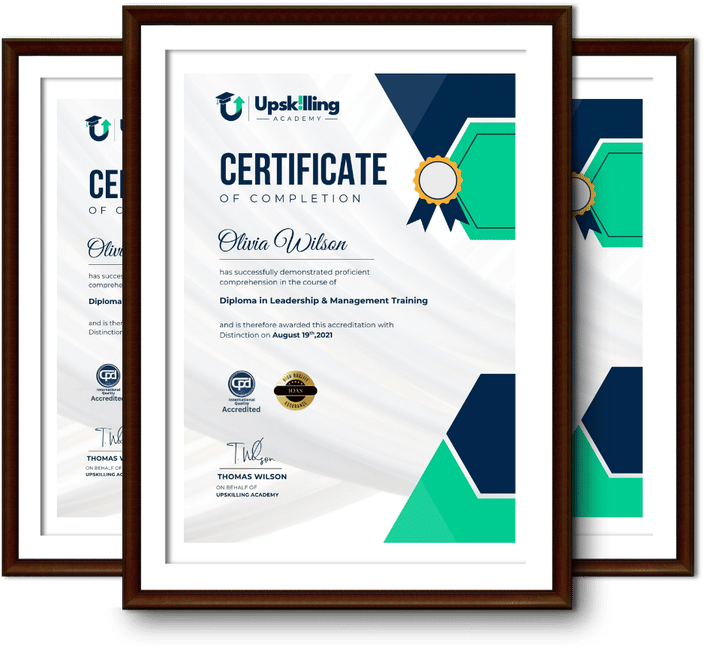
Certificate for Success at Every Step

  • No expiry date. You can keep and use the certificate forever.
  • Recognised across various UK industries.
  • Increases your chances of employability.
  • Boosts your professional credibility.
  • Shows you're up to date with industry knowledge.
Framed Upskilling Academy certificates of completion

Course Reviews

Christine Ferguson

My experience with you was fantastic and easy to navigate. I'm looking forward to taking the course.

Jesse Harding

Provided highly informative and helpful responses, with quick and efficient replies.

Gary Schwartz

The course selection is broad, engaging, easy to follow, and offers a good challenge.

Bailey Burrows

Excellent course with user-friendly website navigation, making it easy to follow. I'm really enjoying the experience.

Benjamin Moreno

Great course with valuable information. Easy to follow, and I appreciated the flexibility to work at my own pace.

Quality Accreditation

  • incensu Registered Education Supplier
  • Association of Healthcare Trainers member
  • The CPD Group approved provider #790985
  • Disability Confident Committed

FAQ for Level 3 Certificate in Data Analysis

How do I access my course?

Once you complete your purchase, you’ll receive access to your course through your Upskilling Academy account. You can log in and access your learning materials online at any time.

How long do I have access to the course?

Your access period depends on the course and the package you purchase. Please check the course details or your order information for the applicable access period.

Can I study at my own pace?

Yes. Upskilling Academy courses are designed to provide flexible online learning, allowing you to study at a pace that suits your schedule.

Will I receive a certificate?

Certificate availability varies by course. Where a certificate is included, you’ll receive information about the requirements and how to obtain it within the course or upon completion.

Are the courses suitable for beginners?

Many courses are suitable for beginners, while others may assume some previous knowledge. Please review the individual course description for information about the recommended level and prerequisites.